How to Sell a Product Online & Offline: Complete 2026 Guide
“Mastering the art of selling a product requires a powerful blend of market research, consumer psychology, and strategic execution. Whether you are launching an e-commerce brand or setting up a local storefront, knowing your target audience is the foundation of long-term success. Today, entrepreneurs have unprecedented opportunities for selling products online from home, but standing out in a crowded marketplace takes more than just listing an item. By crafting a compelling Unique Selling Proposition, optimizing digital channels, and delivering an exceptional customer experience, you can seamlessly sell online and turn casual browsers into loyal, repeat buyers.”
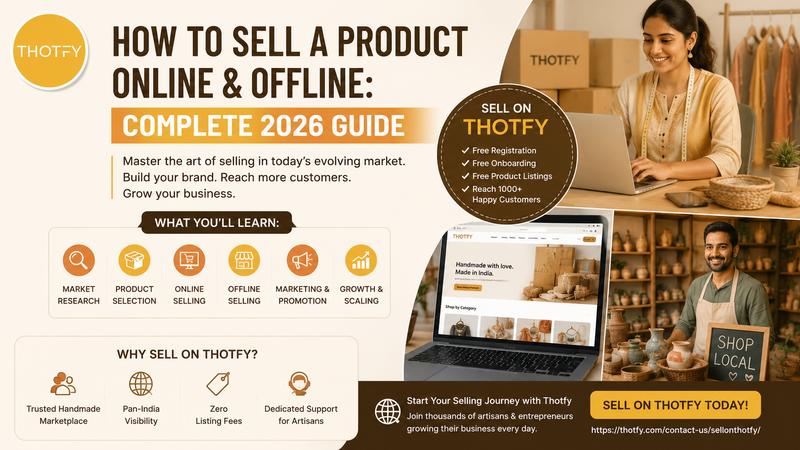
How to Sell a Product: Mastering Online & Offline Techniques
Selling a product is both an art and a science. It requires a deep understanding of your market, a clear value proposition, and a compelling message. Whether you are running an e-commerce store or selling offline, the core principles remain consistent: knowing your audience and delivering what they want.
"As the festive season approaches, finding the right way to celebrate relationships and heritage becomes essential. For those seeking meaningful, handcrafted presents that honor traditional craftsmanship, explore our curated selection of artisanal treasures in the Diwali Gifts Collection, featuring thoughtfully designed hampers, home accents, and unique festive finds."
In today’s digital age, selling products online from home has become more accessible than ever. This opens up unprecedented opportunities for independent entrepreneurs, creators, and small business owners. Mastering the art of product sales involves strategic planning and execution. From crafting a unique selling proposition to leveraging digital marketing, every step counts.
This comprehensive guide provides actionable strategies to help you sell online, boost your sales conversion rates, and grow your business sustainably.
1. Understanding Your Product and Market
Before you figure out how to sell a product, you must understand it inside and out. Know its exact features, practical benefits, and potential market value.
Researching your market is critical. Identify your direct competitors and analyze how your product stands out against them. Evaluate customer needs, price sensitivities, and shopping preferences to tailor your offerings effectively.
Key Market Research Questions:
- Who is your ideal target customer?
- What specific pain points or problems does your product solve?
- How is your product differentiated from competitors?
Positioning your product correctly lays the foundation for creating a high-converting sales and marketing strategy.
2. Identifying and Reaching Your Target Audience
Finding your target audience is vital for successful selling goods. Start by analyzing existing buyer data to understand demographics, interests, and online behavior.
Develop detailed customer personas representing different segments of your audience. Use analytics platforms to discover where your potential buyers spend time online.
Actionable Steps to Reach Buyers:
- Engage on Social Media: Be active on platforms where your specific demographic spends time.
- Tailor Content: Address unique customer challenges through educational and promotional content.
- Deploy Targeted Ads: Use precision targeting on ad platforms to reach high-intent buyers efficiently.
3. Crafting a Unique Selling Proposition (USP)
A Unique Selling Proposition (USP) differentiates your brand from competitors and tells consumers why they should buy from you instead of someone else.
To build a strong USP, focus on exclusive benefits, superior quality, or specific problems your item solves.
Core Elements of a Strong USP:
- Solves distinct customer pain points.
- Highlights exclusive features, craftsmanship, or innovations.
- Emphasizes long-term reliability and performance.
A clear USP enhances your marketing efforts and drives significantly better conversion outcomes.
4. Building Your Sales Channels: Online and Offline
Developing diverse sales channels maximizes your product's exposure and broadens your customer reach. Combining online and offline strategies creates a resilient sales ecosystem.
- Online Channels: Launch a professional e-commerce website, or leverage established marketplaces. Online platforms provide immediate access to vast audiences eager for diverse goods.
- Offline Channels: Local markets, pop-up stores, and retail partnerships offer face-to-face interactions, building deep personal trust with local buyers.
5. Creating High-Optimized Product Listings
Effective product listings are crucial when learning how to sell things online. They directly influence a buyer’s decision to hit the checkout button.
- Visuals: Use high-resolution images captured from multiple angles to showcase texture and details.
- Descriptions: Write clear, concise descriptions highlighting core benefits using bullet points.
- Keywords: Incorporate semantic keywords naturally to enhance search visibility.
6. Leveraging Digital Marketing Strategies
Digital marketing connects your brand with potential customers where they spend their time.
- Social Media Marketing: Showcase your products creatively through short-form video and regular community engagement.
- Email Marketing: Nurture customer relationships with personalized offers, onboarding sequences, and newsletters.
- Search Engine Optimization (SEO): Optimize your shop pages to rank higher in organic search results, driving free, high-intent traffic.
Frequently Asked Questions (FAQs)
- 1. How do I start selling products online from home?
Start by choosing a reliable e-commerce platform, defining your niche, sourcing or creating quality products, and setting up optimized product listings. - 2. What is the best way to price a product?
Base your pricing on production costs, competitor analysis, perceived customer value, and desired profit margins. - 3. Is marketing necessary for small sellers?
Yes, marketing is vital for scaling visibility. Even small, targeted social or search campaigns can yield high returns. - 4. How can I handle negative customer feedback?
Respond professionally, address the customer's issue promptly, and use the feedback to improve your products or fulfillment process.
Final Thoughts: Evolving Your Sales Strategy
Mastering how to sell any product is an ongoing journey of adaptation and testing. In a rapidly shifting retail market, flexibility is essential. Continuously re-evaluate your sales data, listen to your buyers, and embrace innovative marketing tactics to keep your brand competitive and profitable.