Neem Wooden Baby Teethers in India | Natural & Safe Teething Toys | Thotfy
“Teething is an important developmental stage in a baby’s early months, and choosing safe, reliable toys becomes a top priority for parents. Neem wood has been traditionally valued in Indian households for its natural purity and gentle properties, making it a trusted material for baby products. Neem toys for babies are crafted from solid, untreated wood that is carefully shaped and polished to ensure smooth edges and a comfortable grip for tiny hands.”
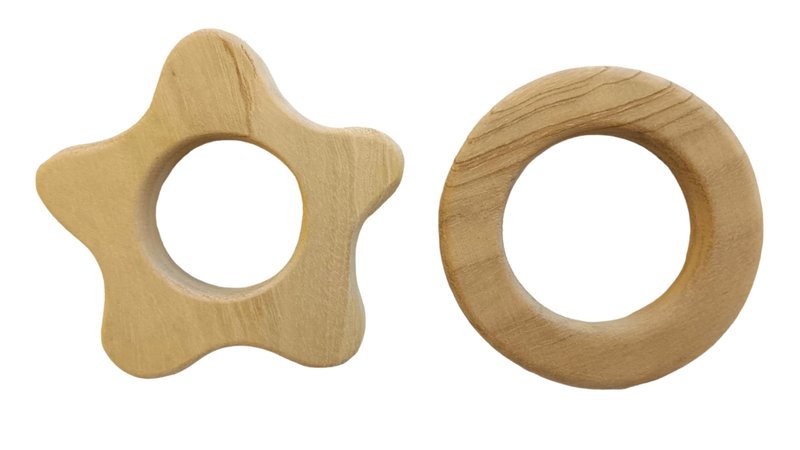
Modern parents prefer safe, non-toxic, eco-friendly, and thoughtfully crafted neem wooden baby toys for everyday play
🌿 Neem Wooden Baby Teethers in India: Natural & Safe Teething Toys
Teething is one of the earliest milestones in a baby’s life — and often one of the most challenging. Sleepless nights, constant drooling, unexplained fussiness — every parent experiences it. During this time, babies instinctively chew to relieve gum discomfort. That’s why choosing the right teether matters more than many realize.
In recent years, neem wooden baby teethers have quietly become a preferred choice among conscious parents in India. These teethers combine safety, tradition, and developmental benefits — making them more than just a toy. But what makes them so special, and why are more parents switching from plastic to wooden options? Let’s explore.
Parents looking for safe and natural products can explore a collection of baby care products and eco friendly baby toys here:
https://thotfy.com/catalogue/category/bath-beauty/baby-child-care/
🧸 The Problem With Synthetic Teethers
Walk into any store and you’ll find shelves filled with colorful plastic and silicone teethers. If you’re comparing materials before choosing, understanding the difference between natural and synthetic baby toys can help you make a confident decision. While they may look attractive, many parents today are concerned about:
- Hidden chemicals
- Synthetic materials
- Artificial dyes
- Long-term safety
Babies explore the world with their mouths, and anything they chew should be as pure and safe as possible. This shift in awareness has led families to return to traditional materials — especially neem wood.
🌿 Why Neem Wood?
Neem has been valued in Indian households for centuries for its natural medicinal and antibacterial properties. When crafted into baby toys, it becomes:
- Naturally resistant to bacterial growth
- Chemical-free and untreated
- Strong yet gentle on gums
- Safe for repeated chewing
Unlike plastic, neem wood does not contain BPA, PVC, or harmful compounds. It is simply natural wood, shaped and polished with care. Parents also appreciate that every teether is handcrafted, supporting traditional Indian craftsmanship.
🍼 Designed for Growing Babies (0–12 Months)
Teething does not happen all at once. Each developmental stage comes with different needs.
👶 0–3 Months: Early Sensory Exploration
At this stage, babies begin discovering their hands and surroundings. While active teething may not have started, they enjoy holding and touching objects.
Lightweight wooden teethers:
- Encourage early grasping
- Introduce natural textures
- Support sensory awareness
Even before teeth emerge, sensory experiences matter.
👶 3–6 Months: First Signs of Teething
This is when drooling increases and babies begin chewing on their fingers or toys. Gums may feel swollen and sensitive.
A smooth wooden teether provides:
- Safe pressure for gum relief
- Firm resistance to massage gums
- Comfortable chewing surface
The natural firmness of wood can feel especially soothing compared to overly soft materials.
👶 6–9 Months: Improving Motor Skills
By this stage, babies develop stronger grip control and better hand-eye coordination.
Shaped teethers (rings, stars, animals, fruit shapes) help:
- Strengthen grip muscles
- Improve object transfer between hands
- Build coordination
Teethers now serve a dual purpose — relief and learning.
👶 9–12 Months: Active Exploration
Older babies become more curious and mobile. They experiment with textures and movement.
Wooden teethers at this stage:
- Continue supporting gum comfort
- Enhance tactile stimulation
- Encourage independent play
Teething tools become part of a broader developmental journey.
⭐ More Than Teething Relief — Development Support
Parents often overlook the developmental benefits of wooden teethers. Neem wooden teethers are dual-purpose: comfort for teething and tools for early development.
✔ Sensory Stimulation
The natural grain and texture of neem wood provide tactile feedback that plastic cannot replicate, enhancing sensory learning.
✔ Hand Strength & Coordination
Gripping wooden rings, dumbbells, or animal shapes builds small hand muscles and improves coordination.
✔ Jaw & Oral Muscle Development
Chewing strengthens oral muscles, aiding in speech development and healthy chewing habits later.
✔ Cognitive & Shape Recognition
Offering multiple shapes and designs helps toddlers recognize shapes, develop problem-solving skills, and learn object manipulation early.
✔ Safe Emotional Attachment
Natural wooden toys encourage long-term play without harmful chemicals, building a sense of trust and attachment to safe toys. Early sensory toys play an important role in building foundational motor skills.
🌍 A Conscious Choice for Modern Parenting
Choosing neem wooden teethers is also a lifestyle choice. Today’s parents are more mindful than ever about the environment and their child’s early experiences.
- Supporting eco-friendly practices
- Reducing plastic exposure
- Choosing sustainable, biodegradable materials
- Encouraging traditional Indian craftsmanship
It’s not just a purchase — it’s a parenting decision rooted in care, responsibility, and sustainability.
🧼 How to Care for Neem Wooden Teethers
Maintenance is simple and ensures long-lasting use:Always choose products from trusted sellers who follow safe crafting practices.
- Wipe with a clean damp cloth after each use
- Air dry completely
- Avoid soaking in water or boiling
- Occasionally apply food-grade coconut oil to maintain smoothness
With minimal care, these teethers can last through the entire teething journey.
💛 Why Parents in India Are Switching to Neem Wooden Teethers
More families are choosing natural baby products over synthetic alternatives. The combination of:
- ✔ Safety
- ✔ Tradition
- ✔ Sustainability
- ✔ Developmental support
makes neem wooden baby teethers one of the most trusted choices for modern Indian homes.
Parent Tip: Pair teethers with other natural wooden toys for holistic early development.
🛍 Ready to Choose a Safe Teether?
If you’re looking for handcrafted neem wooden baby teethers that are smooth, safe, and thoughtfully designed —
👉 Explore the full collection here: Neem Wooden Baby Teethers Category Page
Give your baby a natural start — gentle on gums, safe for everyday use, and kind to the planet.
Frequently Asked Questions About Neem Wooden Baby Teethers
1️⃣ Are neem wooden teethers really safe for babies?
Yes. When properly handcrafted and free from chemical coatings, neem wood is naturally antibacterial and safe for babies. It does not contain BPA, PVC, silicone fillers, or artificial dyes. Always ensure the teether is smoothly polished, splinter-free, and sourced from a trusted seller.
2️⃣ What age is best to start using a teether?
Most babies begin teething between 3 to 6 months, though some may show early signs around 2–3 months.
You can introduce a lightweight wooden teether when:
- Your baby starts grasping objects
- Drooling increases
- They begin chewing on fingers
Always supervise during use.
3️⃣ Are wooden teethers better than plastic or silicone?
Many parents prefer wooden teethers because they are:
✔ Natural and biodegradable
✔ Free from synthetic chemicals
✔ Firm enough to provide effective gum pressure
✔ Textured for better sensory stimulation
Silicone teethers are soft and flexible, but wooden teethers offer a traditional, eco-conscious alternative that supports both safety and development.
4️⃣ How do I clean and maintain a neem wooden teether?
Neem wooden teethers should not be boiled, steam sterilized, refrigerated, or soaked in water, as excess moisture can damage the wood.
Safe cleaning method:
- Wipe with a soft damp cloth
- Use mild baby-safe soap if needed
- Air dry completely
- Occasionally apply food-grade coconut oil to maintain smoothness
This keeps the teether hygienic without weakening the material.
5️⃣ How often should I replace a wooden teether?
A neem wooden teether can last throughout the teething phase (0–12 months) if it is well maintained.
Replace it immediately if you notice:
- Deep bite marks
- Splinters
- Cracks
- Structural damage
Regular inspection ensures ongoing safety.
6️⃣ Do neem wooden teethers support baby development?
Yes. Beyond gum relief, they also help with:
- Hand grip strength
- Hand-eye coordination
- Sensory exploration
- Jaw and oral muscle development (important for speech later)
They are not just teething tools — they support early motor learning.
7️⃣ What shapes are best for babies?
Simple, easy-to-hold shapes work best for infants. Popular and effective designs include:
- Rings
- Stars
- Clouds
- Animal shapes
- Fruit shapes
These shapes support gripping skills, chewing comfort, and early cognitive recognition.
🔹 Key Takeaways
- Neem wooden baby teethers are natural, chemical-free, and safe for infants.
- They provide teething relief while promoting hand-eye coordination, sensory development, and oral muscle growth.
- Choosing wooden teethers is eco-friendly, sustainable, and supportive of traditional craftsmanship.
- Suitable for 0–12 months, with age-specific designs for each stage of development.
- Easy to care for and long-lasting with minimal maintenance.
Related Baby Teething & Toy Guides
- Best Eco Friendly Baby Toys in India
https://thotfy.com/resources/blog-tales/best-eco-friendly-baby-toys-in-india-2026-guide-safe-sustainable-choices-for-parents/ - Teething Pain Relief Tips for Babies
https://thotfy.com/resources/blog-tales/teething-pain-relief-tips-for-babies-2026-natural-safe-remedies-in-india/ - When Do Babies Start Teething in India
https://thotfy.com/resources/blog-tales/when-do-babies-start-teething-in-india-early-signs-age-guide-2026/ - Are Wooden Teethers Safe for Babies
https://thotfy.com/resources/blog-tales/are-wooden-teethers-safe-for-babies/ - Neem Wood vs Silicone Teethers
https://thotfy.com/resources/blog-tales/neem-wood-vs-silicone-teethers-which-is-safer/ - Best Teether for Baby in India
https://thotfy.com/resources/blog-tales/best-teether-for-baby-in-india-2026-guide-for-safe-natural-options/
Where to Buy Safe Baby Teethers in India
If you are looking for safe baby teethers, natural wooden toys, and eco friendly baby care products, explore this collection:
👉 https://thotfy.com/catalogue/category/bath-beauty/baby-child-care/