How to Clean Baby Teething Toys Safely (Wooden & Neem Teethers Guide for Parents)
“Teething toys require proper hygiene, especially when babies constantly chew and explore with their mouths. Many parents ask, how to clean wooden teethers safely without damaging the natural material. Unlike plastic toys, wooden teethers—especially neem wood—require gentle cleaning and careful drying to maintain safety and durability. Proper care for wooden baby toys ensures they remain hygienic, splinter-free, and long-lasting. In this complete guide, we explain step-by-step cleaning methods, drying instructions, and essential neem wood teether care tips so your baby’s teething toys stay safe, natural, and ready for everyday use.”
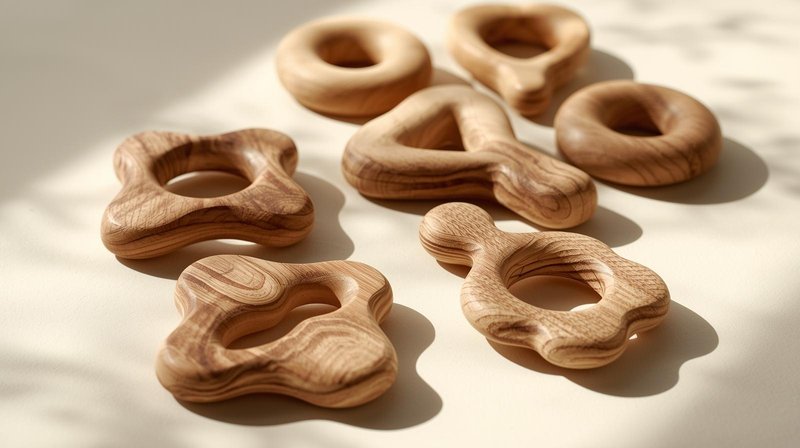
How to Clean Baby Teething Toys Safely (Wooden & Neem Teethers Guide for Parents)
Keeping your baby’s teething toys clean is essential for their health and safety. Since babies constantly chew on toys, improper cleaning can lead to bacterial buildup, moisture damage, or even reduced product lifespan—especially with wooden teethers.
If you’re wondering how to clean baby teething toys safely at home, this guide provides simple, effective, and natural methods designed for Indian parents.
Quick Answer:Baby teething toys can be safely cleaned using warm water, mild baby-safe soap, immediate drying, and proper storage. Wooden and neem teethers should never be soaked, boiled, or steam sterilized.
Why Cleaning Baby Teething Toys Is Important
Babies explore the world through their mouths, making hygiene a top priority.
Even natural materials like neem wood require proper care to prevent:
- Bacterial buildup
- Moisture damage
- Surface cracks
Parent Insight: Regular cleaning ensures both safety and long-term durability.
How to Clean Baby Teething Toys Safely at Home (Step-by-Step)
Follow this safe and effective method for cleaning wooden and neem teethers:
Rinse with Lukewarm Water
Hold the teether under running lukewarm water.
- Avoid hot water, as it can damage wood fibers.
Use Mild Baby-Safe Soap
Apply a small amount of gentle, fragrance-free soap.
- Gently rub using hands or a soft cloth
Avoid:
- Harsh detergents
- Chemical disinfectants
- Scrubbing brushes
These can damage the surface of safe baby teething toys.
Rinse Thoroughly
Ensure all soap residue is removed.
- Leftover soap can dry out the wood over time.
Wipe Immediately Dry (Most Important Step)
Use a clean cotton cloth to dry the teether right after washing.
Critical Tip: This step prevents moisture absorption and cracking.
Proper Drying Methods for Wooden & Neem Teethers
Wood is naturally absorbent, so drying is just as important as cleaning.
Best Drying Practices:
- Air dry in a well-ventilated space
- Keep away from humidity
- Place on a clean, dry surface
Avoid:
- Direct sunlight (can cause cracks)
- Closed containers while wet
Proper drying ensures long-lasting and safe use.
What to Avoid While Cleaning Baby Teething Toys
Many parents unknowingly damage toys by using incorrect methods.
Never Do This:
- Soak wooden teethers in water
- Boil or steam sterilize
- Use microwaves or dishwashers
- Apply chemical disinfectants
Safety Note: Wooden toys are not designed for high heat or excess moisture.
Wooden vs Plastic Teething Toys: Cleaning Difference
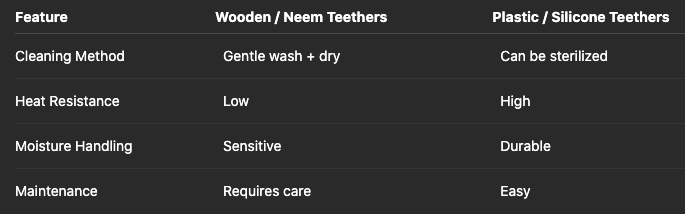
Wooden toys need more careful handling but are safer and eco-friendly.
Maintenance Tips for Long-Term Use
To keep your baby’s teether safe and durable:
1. Light Oil Conditioning (Occasionally)
Use a small amount of food-grade coconut oil if the wood looks dry.
- Wipe off excess immediately
2. Regular Inspection
Check for:
- Cracks
- Rough edges
- Splinters
Replace if any damage is visible.
3. Store Properly
Keep in a dry, breathable container.
Avoid humid environments.
Related Guides for Better Baby Care
For complete safety and buying guidance, explore:
- Best eco-friendly baby toys in India
- Teething pain relief tips for babies
- Neem wooden teethers safety guide
- Best teether for babies in India
These guides help you make informed and safe choices for your baby.
What Actually Works (Real Parent Insight)
Every baby reacts differently during teething.
Most parents find success with:
- Regular cleaning + proper drying
- Natural wooden or neem teethers
- Gentle, safe handling
Reality: Consistency in care matters more than complex methods.
FAQs About Cleaning Baby Teething Toys
How often should I clean baby teething toys?
Clean daily if frequently used, especially after outdoor use.
Can I sterilize wooden or neem teethers?
No. Avoid boiling, steaming, or microwave sterilization.
How do I know when to replace a teether?
Replace immediately if you notice cracks, splinters, or rough surfaces.
Are neem wooden teethers safe?
Yes, when properly maintained, neem wood is safe, durable, and naturally antibacterial.
Final Thoughts: Safe Cleaning for a Healthy Start
Cleaning your baby’s teething toys properly is just as important as choosing the right product. With simple care routines, wooden and neem teethers can remain safe, hygienic, and long-lasting.
Looking for safe options? Explore natural wooden teething toys and eco-friendly baby care products to give your baby a healthier start.