







Benefits of Silicone Baby Teethers for Infants
Silicone baby teethers give infants a purpose-made option for chewing during teething, with shapes and care requirements parents can compare before buying. The right choice combines an appropriate design, clear material information, and cleaning instructions that fit your routine—not simply a reassuring label. Start with the checks below to choose a silicone teether for baby with greater confidence.
Choose for your baby’s stage. Check the product instructions. Keep comfort simple. A thoughtful purchase begins with knowing what the product is designed to do and which claims the manufacturer can support.
Benefits that matter in everyday use
When your baby wants to chew and you need something straightforward to care for, practical details matter more than decorative extras. Use these four priorities to compare products without assuming every silicone design offers the same capabilities:
- Documented material purity: For a food grade silicone teether, request evidence supporting any certified food-grade purity claim; do not treat the wording alone as proof.
- Verified high-heat cleaning: Look for explicit boiling, steam, or dishwasher instructions. An easy to sterilize teether should explain approved methods, not leave you guessing.
- Clear cooling suitability: Check temperature limits, including any freezer claim. For soothing gums, choose refrigerator chilling rather than offering a frozen-hard teether.
- Comfortable, safety-conscious handling: Look for an age-appropriate grip and construction without small, detachable parts. No design should be treated as absolutely “choke-proof.”
Think about an ordinary afternoon: your baby drops the teether, another caregiver takes over, and the cleaning instructions are nowhere nearby. A product with clearly stated care directions gives everyone the same plan. Before purchasing, check that those directions are available and understandable—not just represented by unexplained icons.
The benefit is not a longer feature list. It is a product you can select, inspect, clean, and use according to a clear set of instructions. Keep those instructions accessible so care does not depend on memory.
Are silicone baby teethers safe?
Silicone baby teethers can be an appropriate chewing option, but the material name alone does not establish that an individual product is safe. Age suitability, construction, condition, and correct use all matter. The FDA recommends supervising children using teething rings because choking remains a concern.
Look beyond a reassuring product photograph. Read the age guidance, inspect the complete design, and check whether there are attached decorations or components that could detach. Small parts present a particular hazard for young children; a product marketed for babies still deserves careful scrutiny.
A non toxic silicone teether claim should prompt a practical question: what documentation supports it? Ask the seller to identify the material, explain any certification claim, and provide information that matches the exact product you are considering. Keep those questions specific rather than accepting a general statement about the brand.
Similarly, a bpa free teether label addresses one stated characteristic, not the entire design. Your purchase decision should also account for size, assembly, age labeling, and care requirements. Treat the label as one part of your comparison, never as a replacement for the rest.
For products subject to applicable CPSC children’s product safety rules, certification is based on relevant testing. Requirements depend on the product and its intended use, so ask which requirements the seller’s documentation actually covers rather than assuming one certificate applies to every teether.
Find a shape that fits your baby’s stage
Choose a shape for how it will be held and used, not just how it looks in a gift set. Compare the manufacturer’s age recommendation with your baby’s current abilities, then consider the grip, chewing surfaces, and overall dimensions. CPSC guidance recognizes the importance of matching product characteristics to children’s skills and behaviors.
Rings and textured surfaces
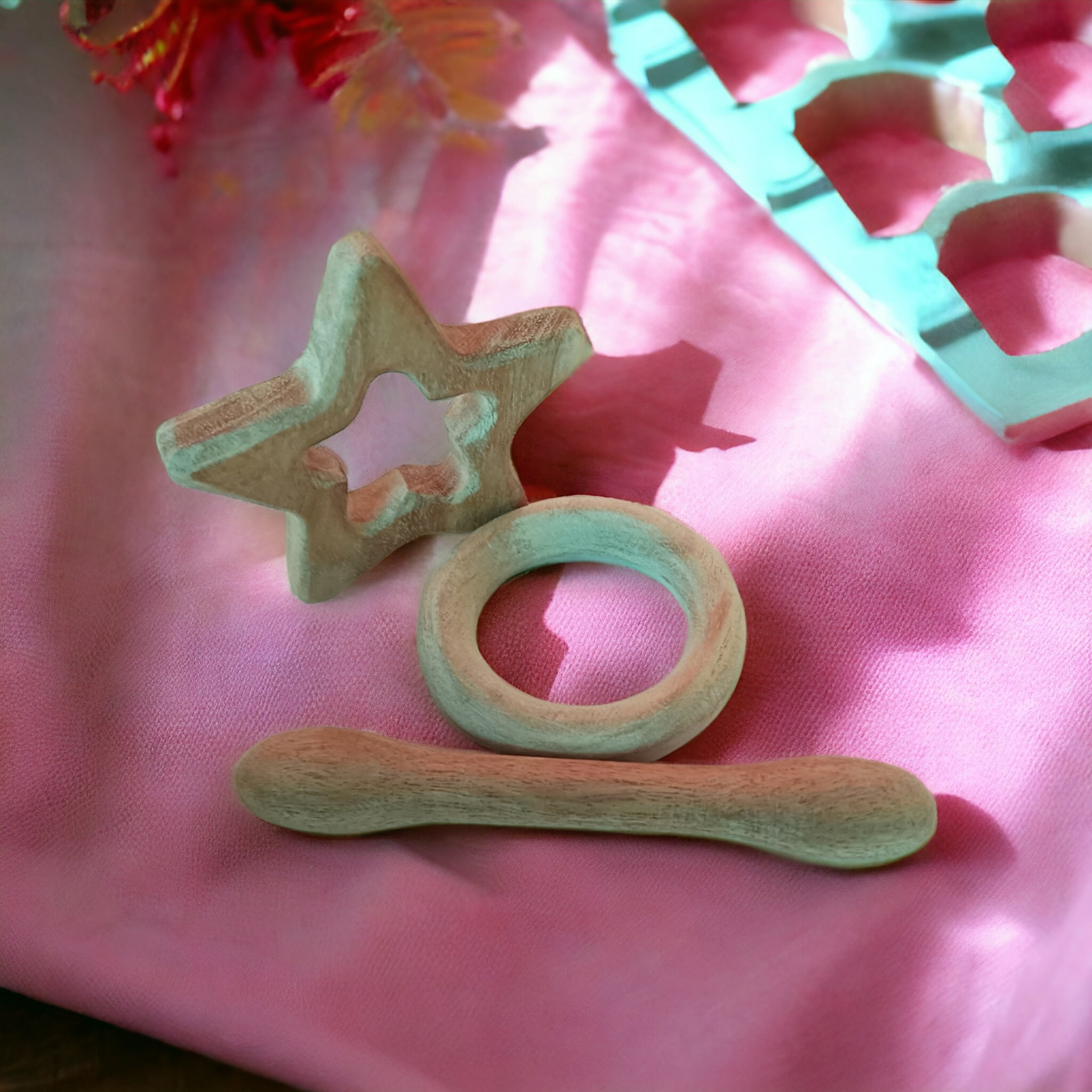
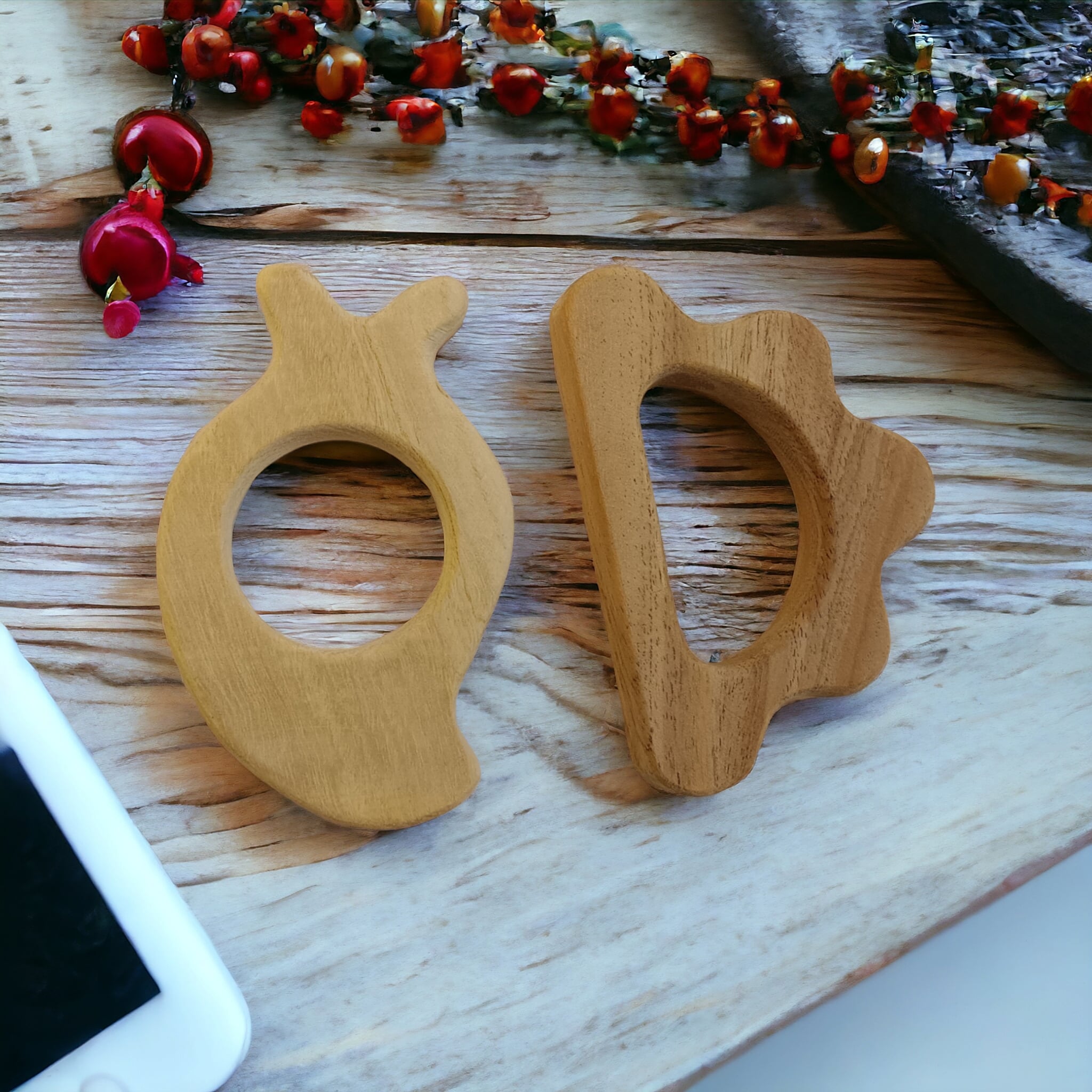
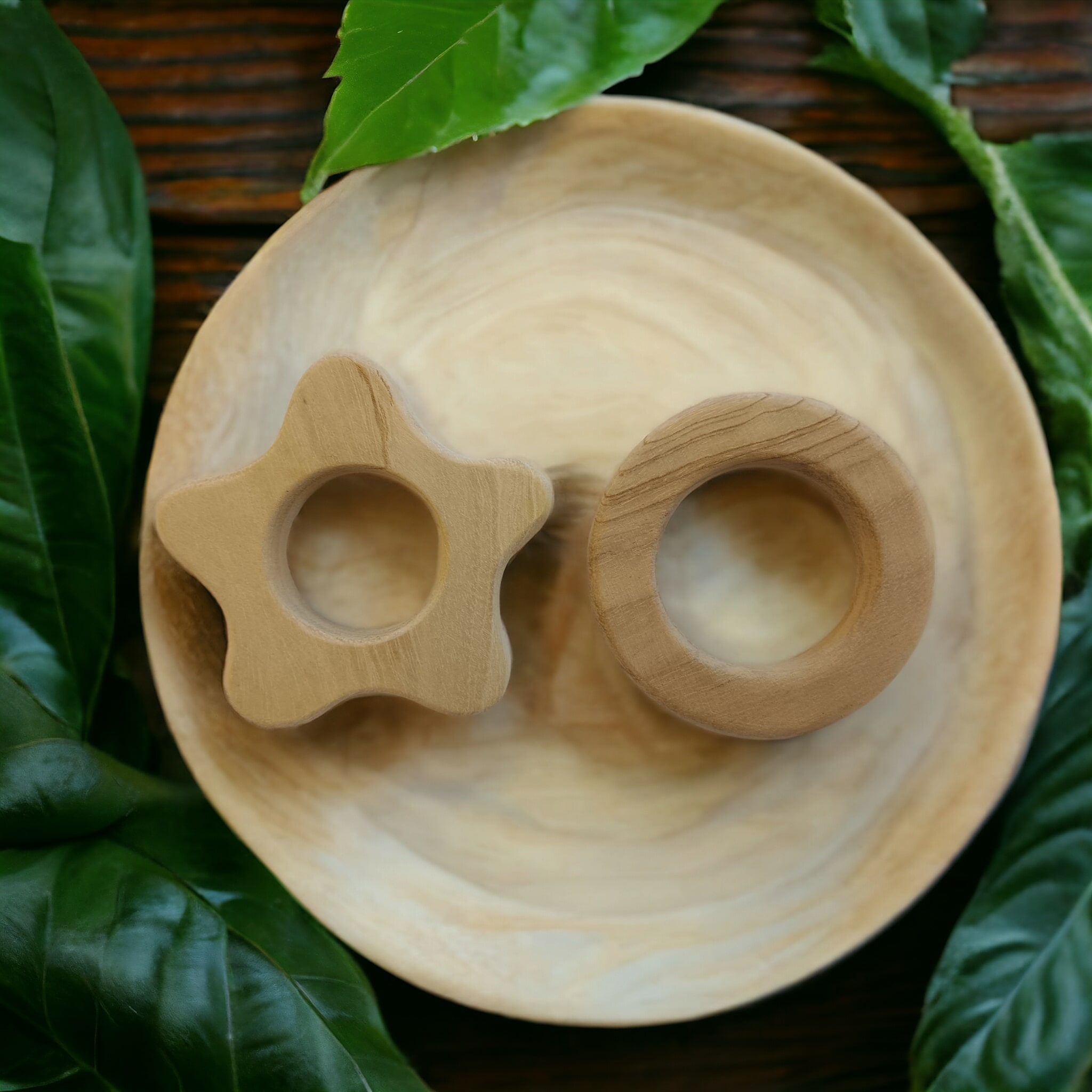
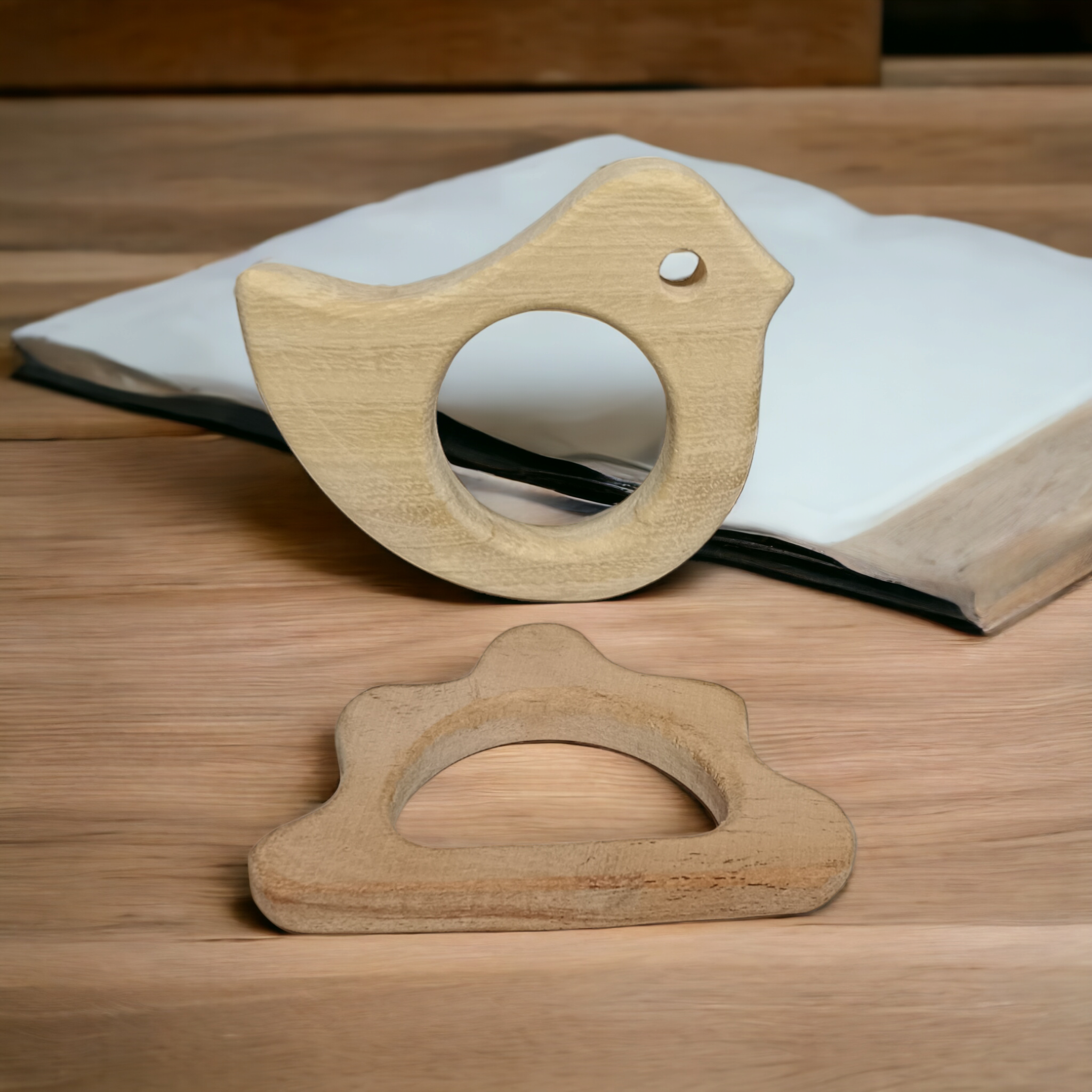
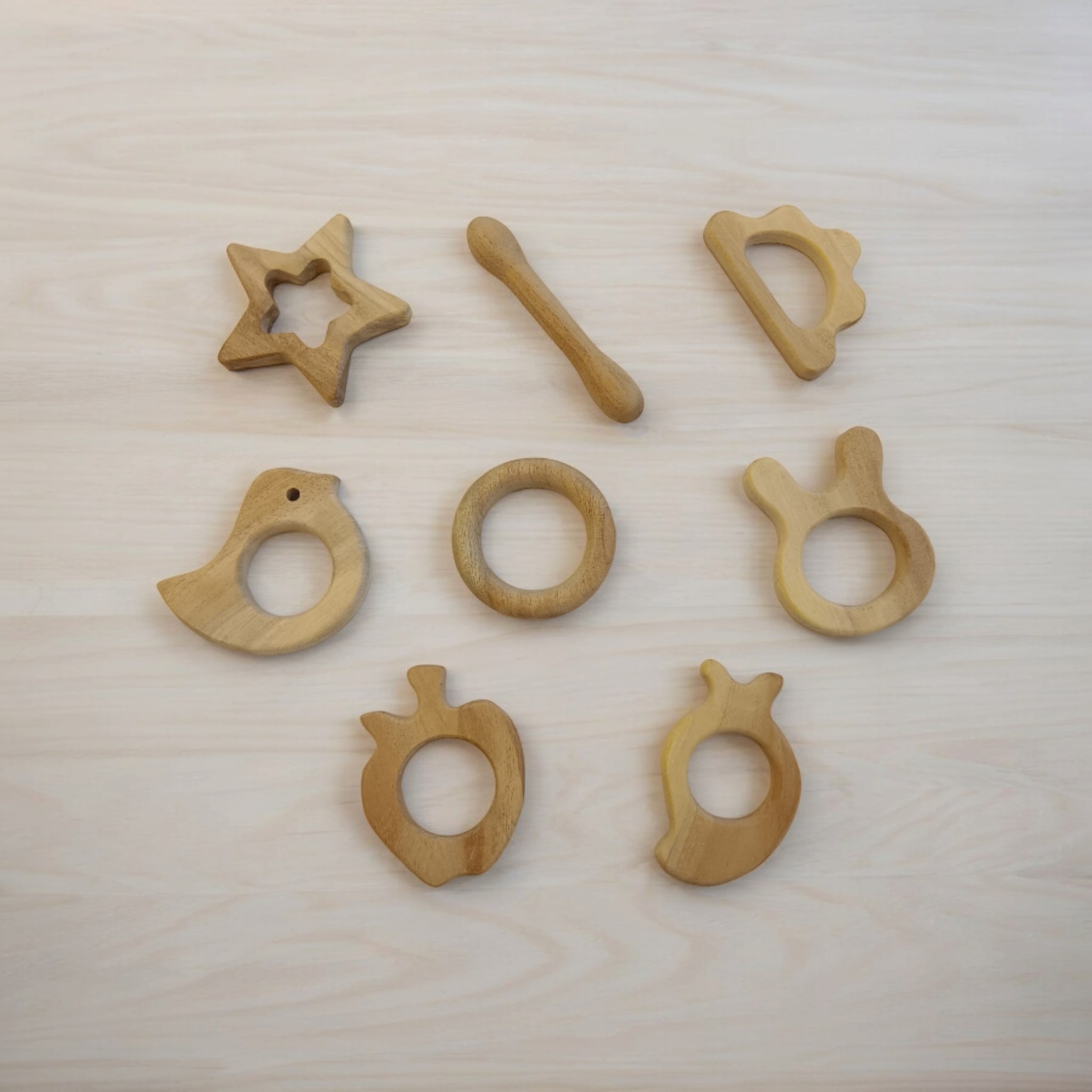
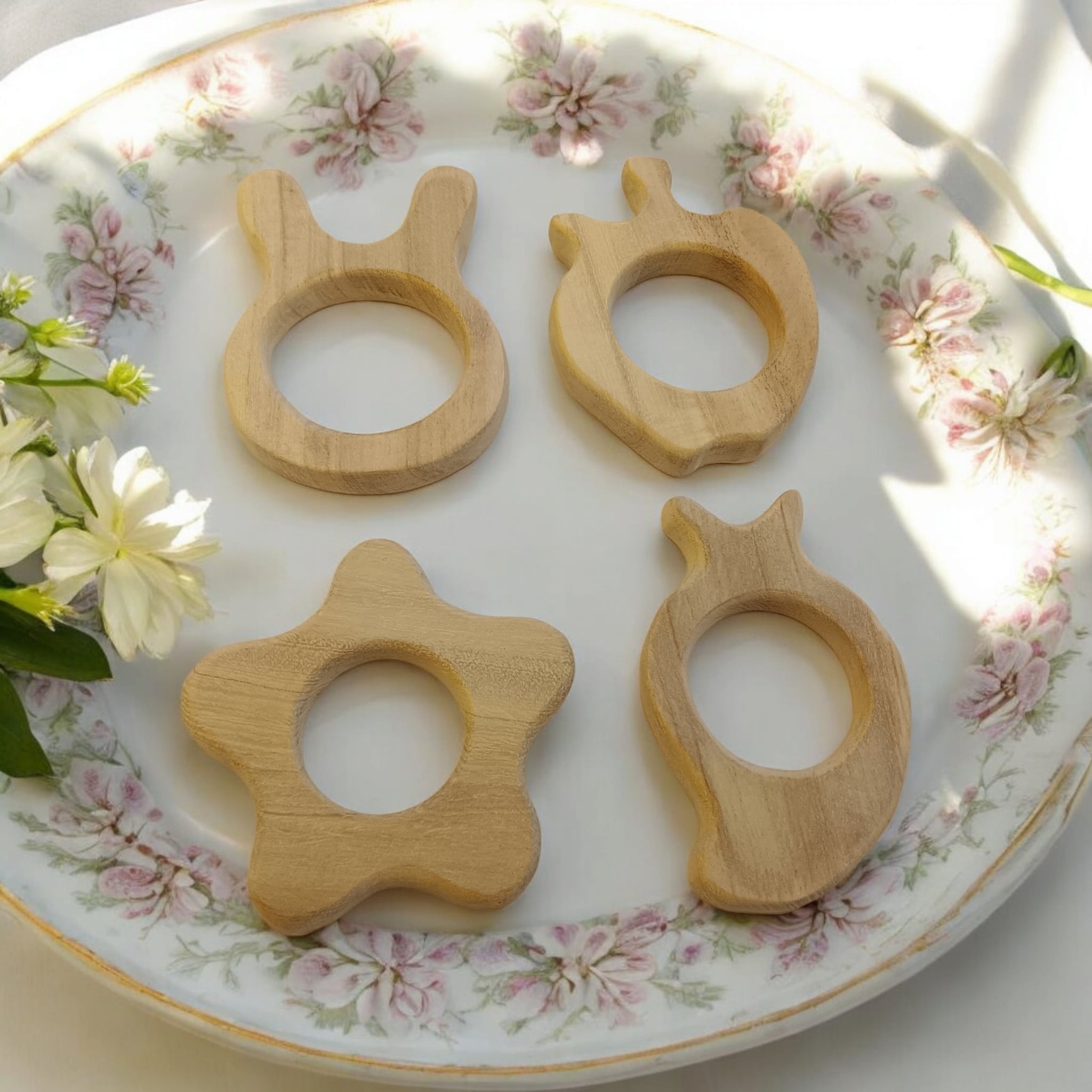
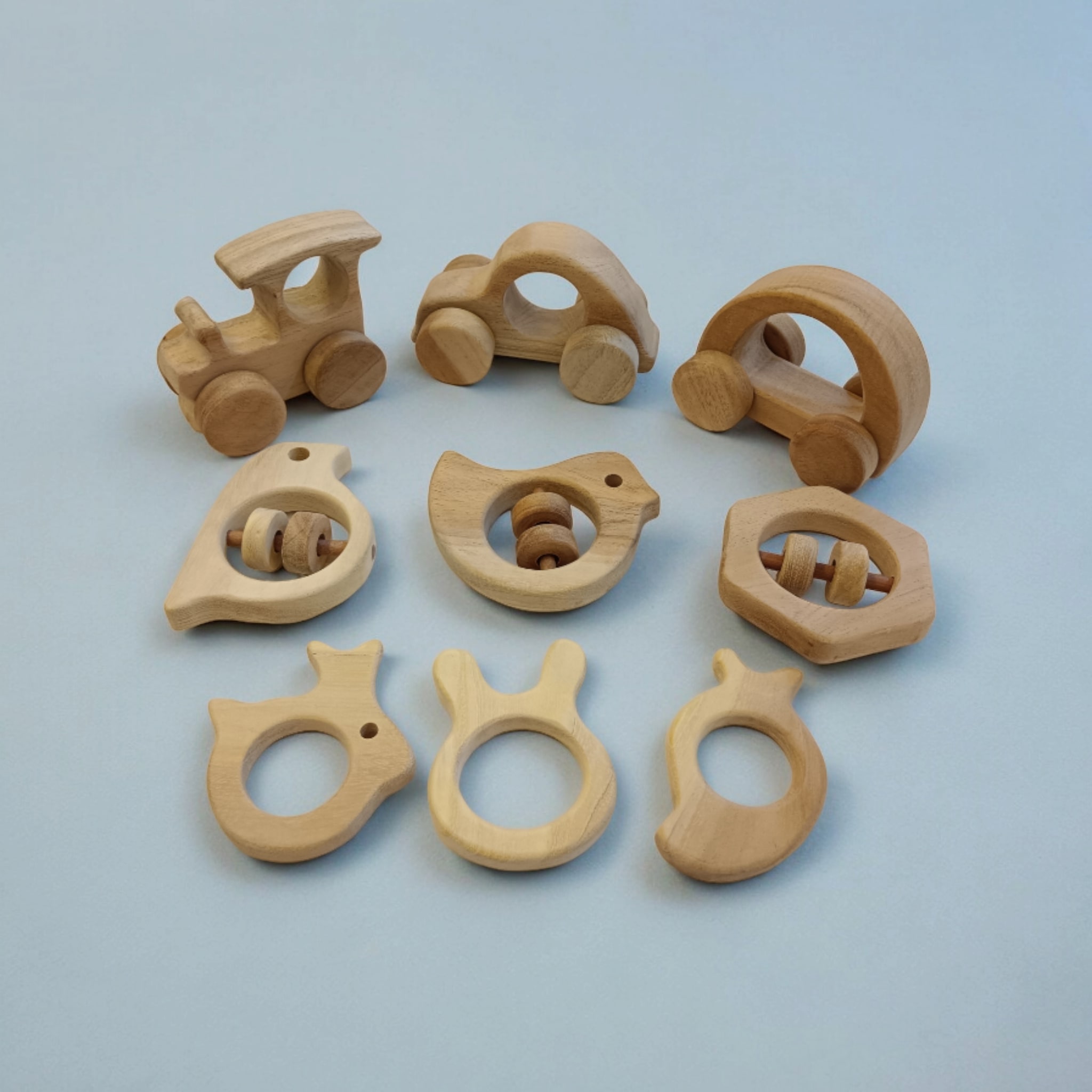
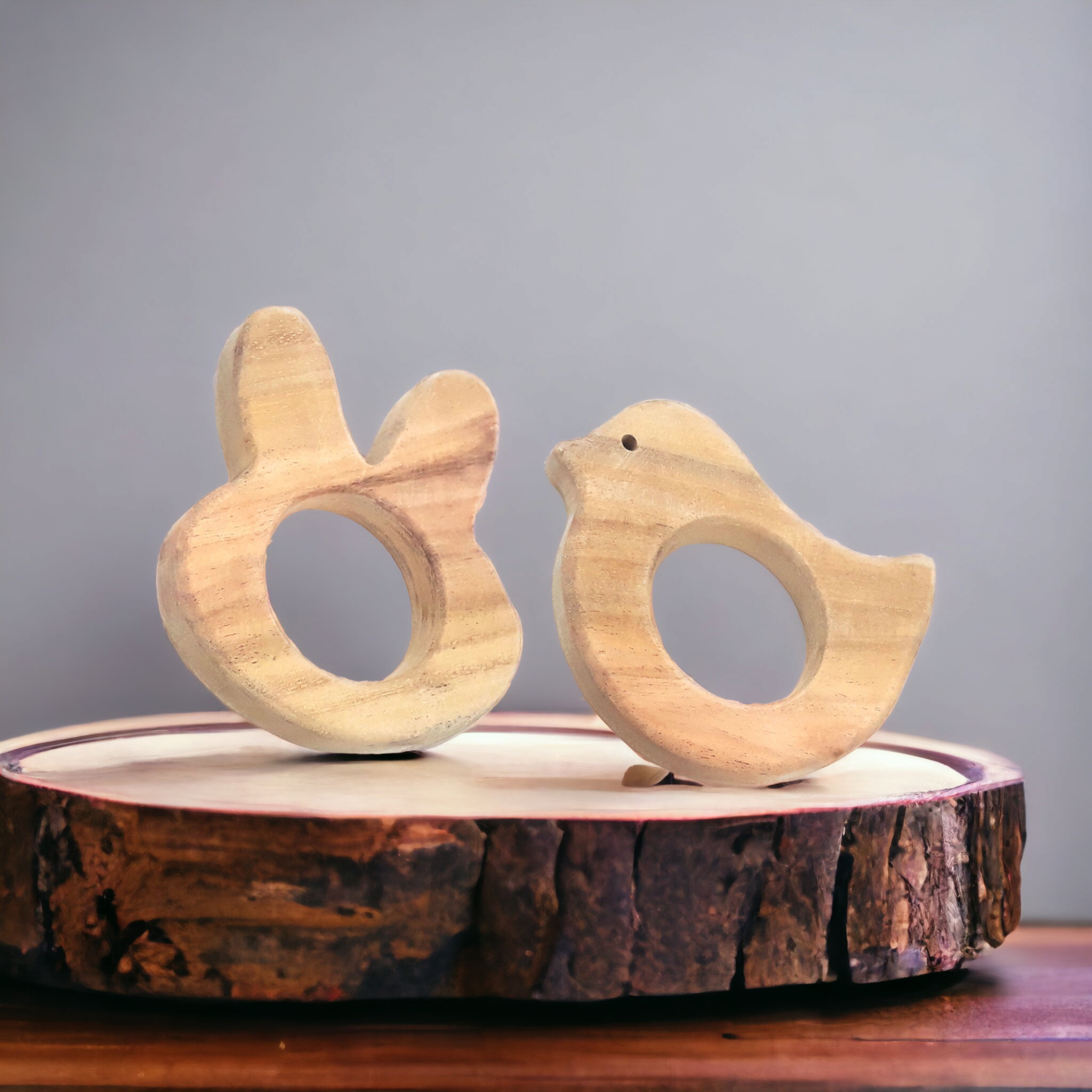
When comparing silicone teething rings, look closely at the opening and the parts your baby would hold. Ask whether the design seems manageable for your child and whether all surfaces are accessible for cleaning. Product photographs should help you understand the whole item, not only its decorative face.
A textured silicone teether ring may offer several surface patterns, but more texture is not automatically a better purchase. Consider whether you can inspect the grooves and follow the cleaning directions without difficulty. Choose a design whose practical details are as clear as its appearance.
For a soft silicone teething toy, check what the manufacturer says about intended use and replacement. Do not assume that softness eliminates the need to inspect it. Make condition checks part of the routine, especially for products with pacifier-like components, which can deteriorate over time.
Pacifier-style and molar-focused designs
A teether pacifier should be evaluated according to its actual design and instructions, not assumed to work like every ordinary pacifier. If it functions as a pacifier, check the shield, one-piece construction, ventilation, and age guidance. The American Academy of Pediatrics advises selecting pacifiers that cannot come apart and inspecting them for deterioration.
If you are searching for “baby teething pacifier bpa free,” make sure the listing answers more than the material question. Look for clear photographs, care instructions, and an explanation of whether the item is intended for sucking, chewing, or both. If that distinction is unclear, ask before purchasing.
Likewise, a search for “baby molar teether silicone” should lead you to age and design information—not a promise that a longer shape is better. Choose according to the stated developmental stage and intended use. Never push a teether farther into your baby’s mouth to reach a particular area.
Care and cooling instructions you can actually follow
Before choosing baby teething toys, check how they will fit into your daily cleaning routine. A product that requires a method you cannot reliably follow is not the simplest option for your household. Keep the care leaflet or save the instructions where every caregiver can find them.
The expandable care answers below explain the checks to make before first use. They are not a substitute for product-specific directions. CDC guidance for nonporous toys emphasizes checking the manufacturer’s approved sanitizing method.
Can my baby use a silicone teether every day?
Daily use should follow the product’s age guidance, instructions, and condition checks; “silicone” is not a blanket assurance of suitability. Supervise teething-ring use and stop if the product becomes damaged or no longer appears suitable for your child. For pacifier-style products, follow the recommended age range and replace items showing deterioration.
Build a brief check into the handover between caregivers: confirm which item is clean, where its instructions are stored, and whether anything has changed in its condition. This makes everyday use easier to manage without relying on assumptions. If you have concerns about your baby’s individual needs, ask their pediatrician.
Can I boil or steam a silicone teether?
Only use boiling or steam when the manufacturer explicitly permits that method for the complete product. A boil safe baby teether should come with a stated procedure, including any preparation, timing, cooling, and drying requirements. Do not borrow a boiling time from another brand or assume attached components tolerate the same treatment.
Clean the item before sanitizing it, then follow the approved method. CDC guidance identifies boiling, steaming, and suitable dishwasher cycles as options for certain nonporous items, while emphasizing manufacturer compatibility. Allow sanitized items to air-dry completely before storage or use.
If dishwasher use is permitted, check the required rack position and cycle. “Dishwasher safe,” “steam safe,” and “boil safe” are separate instructions, so verify each method you expect to use. Never assume that approval for one establishes approval for all three.
Can I put a silicone teether in the freezer?
Do not interpret a freezer safe baby teether label as permission to give your baby a frozen-hard object. A material-storage claim and guidance for safe chewing are different things. The American Academy of Pediatrics’ teething guidance recommends chilling teethers in the refrigerator and avoiding items frozen in the freezer.
For a cooling routine, follow the product’s refrigerator instructions and avoid improvised freezing times. If the packaging emphasizes freezer compatibility without explaining how the item should be offered, ask the manufacturer for clarification. Choose clear use instructions over an appealing cooling claim.
Compare the details before adding to your basket
You do not need to become a materials specialist to make a more informed choice. You need a listing that answers practical questions and a seller willing to clarify anything missing. Use this checklist to narrow your options before comparing colors or coordinating accessories.
- Exact product identity: Confirm the model and manufacturer so any instructions or documents relate to the item you will receive.
- Age and intended use: Look for a clear recommendation and an explanation of whether the item is a teether, pacifier, or combination design.
- Material information: Ask what supports food-grade, purity, BPA-free, or other safety-related claims.
- Construction details: Examine photographs of every side, including attachments, joins, and any removable components.
- Cleaning compatibility: Verify the specific washing and sanitizing methods you plan to use.
- Cooling directions: Look for refrigerator guidance rather than relying on a freezer symbol alone.
- Replacement guidance: Save any instructions explaining when to stop using or replace the product.
For example, imagine choosing between two similar-looking rings. One listing focuses on colors and reassuring phrases; the other identifies the product, provides care directions, and explains its intended age range. Start your comparison with the second listing’s usable information, then ask the first seller to supply what is missing.
If you are buying a gift, include the care instructions rather than separating the teether from its packaging immediately. Let the parent or caregiver review the age guidance and decide when to introduce it. A thoughtful gift supports their choice instead of assuming every infant needs the same design.
Choose a teether with fewer unanswered questions
The most useful purchase is one you understand before it arrives. Prioritize documented material claims, an appropriate design, and care directions you can follow consistently. Leave unsupported promises—especially “choke-proof,” universal sterilization claims, or unrestricted freezer use—out of your decision.
There is no need to buy several elaborate designs at once. Begin by comparing a manageable shortlist against your baby’s stage and your household routine. If a seller cannot explain an important claim, keep looking rather than filling the gap with an assumption.
Before checkout, read the instructions once as though you are about to use the product. Confirm what you would do after a drop, how you would clean it, and where you would find replacement guidance. That quick rehearsal helps reveal missing information while you can still ask for answers.
Take the next step: compare age suitability, material documentation, and approved care methods before choosing your baby’s teether. Select the option that makes those essentials clear—not the one that makes the biggest promise.
Frequently Asked Questions
- Q: Is a silicone teether safe for my baby to chew on all day?
A: Yes! A 100% food grade silicone teether is inert, non-toxic, and chemical-free. It does not harbor bacteria easily and is completely safe for prolonged daily chewing. - Q: Can I boil or steam-sterilize a silicone teether pacifier?
A: Absolutely. High-quality bpa free teether toys made from silicone can withstand temperatures up to 200°C, making them safe for boiling water, steam sterilizers, and top-rack dishwashers. - Q: Can I put a silicone baby teether in the freezer?
A: Yes. Cooling a silicone teether for baby in the fridge or freezer for 15–20 minutes provides instant cold therapy that numbs inflamed gum tissue effectively.
Explore Top Silicone & BPA-Free Teething Collections
- Freezer-Safe Food-Grade Silicone Teethers for Instant Cooling & Gum Inflammation Relief
- Flexible Teether Pacifiers & Molar Massagers for Sore Back Teeth & Easy Sucking Relief
- Textured Silicone Ring & Animal Teethers for Tactile Stimulation & Easy Hand Grip
- Affordable Hygienic Silicone Teether Bundles Curated for Newborns Under ₹899
Looking for Custom Baby Shower Hampers or Nursery Bundles?
Need curated hygienic newborn gift boxes, custom pastel color coordination, or volume discounts for maternity and daycare gifting? Enjoy express delivery across India and baby-first safety curation.
[ Request Silicone Baby Shower & Gift Quote ]
More Handcrafted Collections
(Looking for More Handcrafted & Seasonal Ideas? Explore Our Top Collections Below)
- Decor & Home Accent Collections:Home Decor | Winter Home Decor | New Year Party Decor & Lighting | Home Decor Lights | Handcrafted Wall Art | Living Room Showpieces | Decorative Mirrors | Art and Collectibles
- Festive & Seasonal Gift Collections:Diwali Gifts | Housewarming Gifts | Winter Housewarming Gifts | Wedding Return Gifts | Birthday Return Gifts
- Corporate & Office Gifting Collections:Corporate Gifts | Corporate New Year Gifts & Hampers
- Personal & Budget Gifting Collections:Handmade Gifts | Anniversary Gifts for Couple | Ceramic Coffee Mugs | Gifts Under 300 | Gifts for Women | Gift For Every Mom
- Jewellery & Fashion Accessories:Festive Jewellery | Oxidized & Silver-Plated Ethnic Jewellery | Handmade Tote Bags | Festive Keychains & Accessories
- Kids & Play Collections:Kids Toys | Handcrafted Wooden Toys