X
Buy Safe & Non-Toxic Wooden Toys for Kids Online
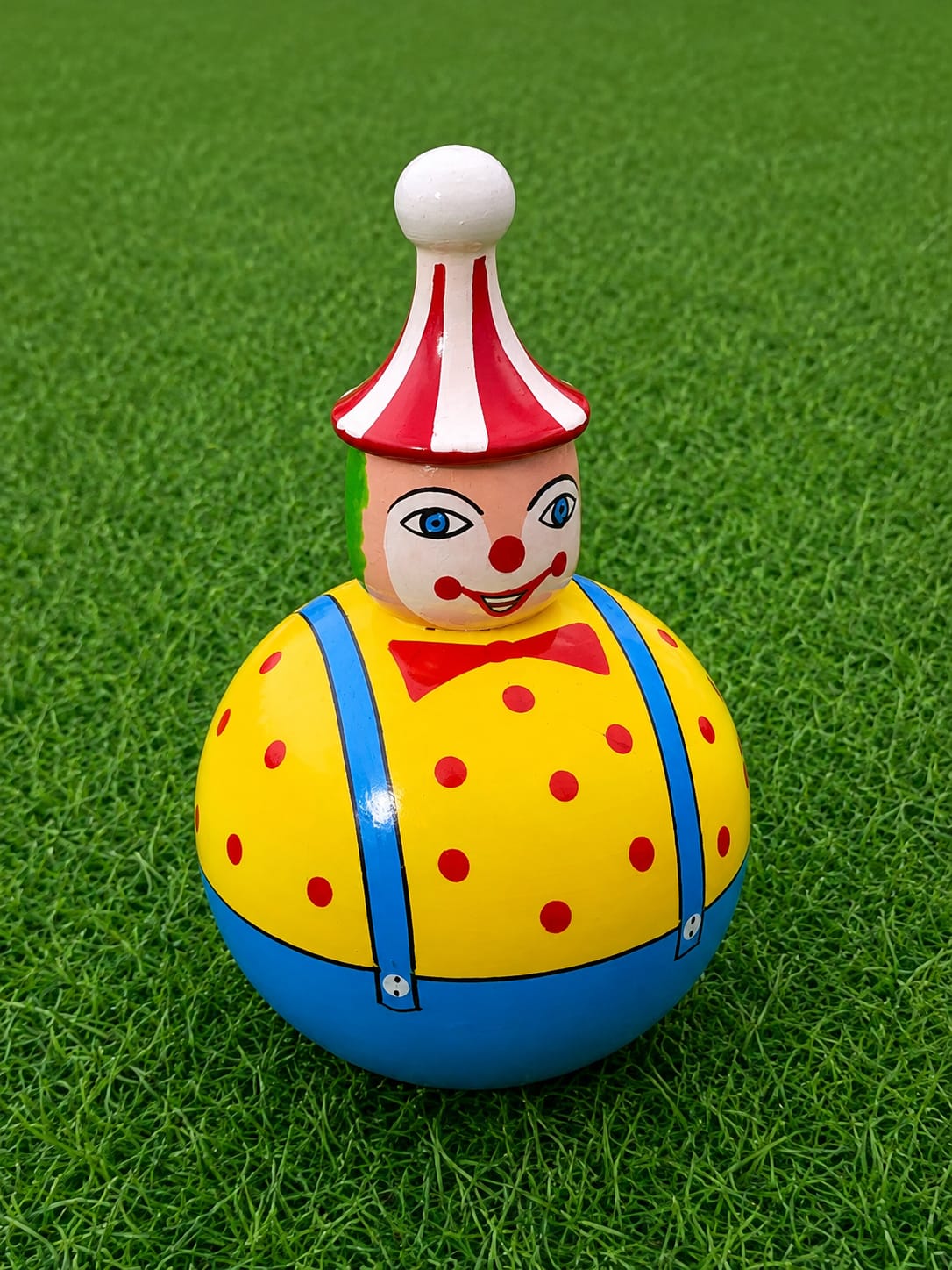
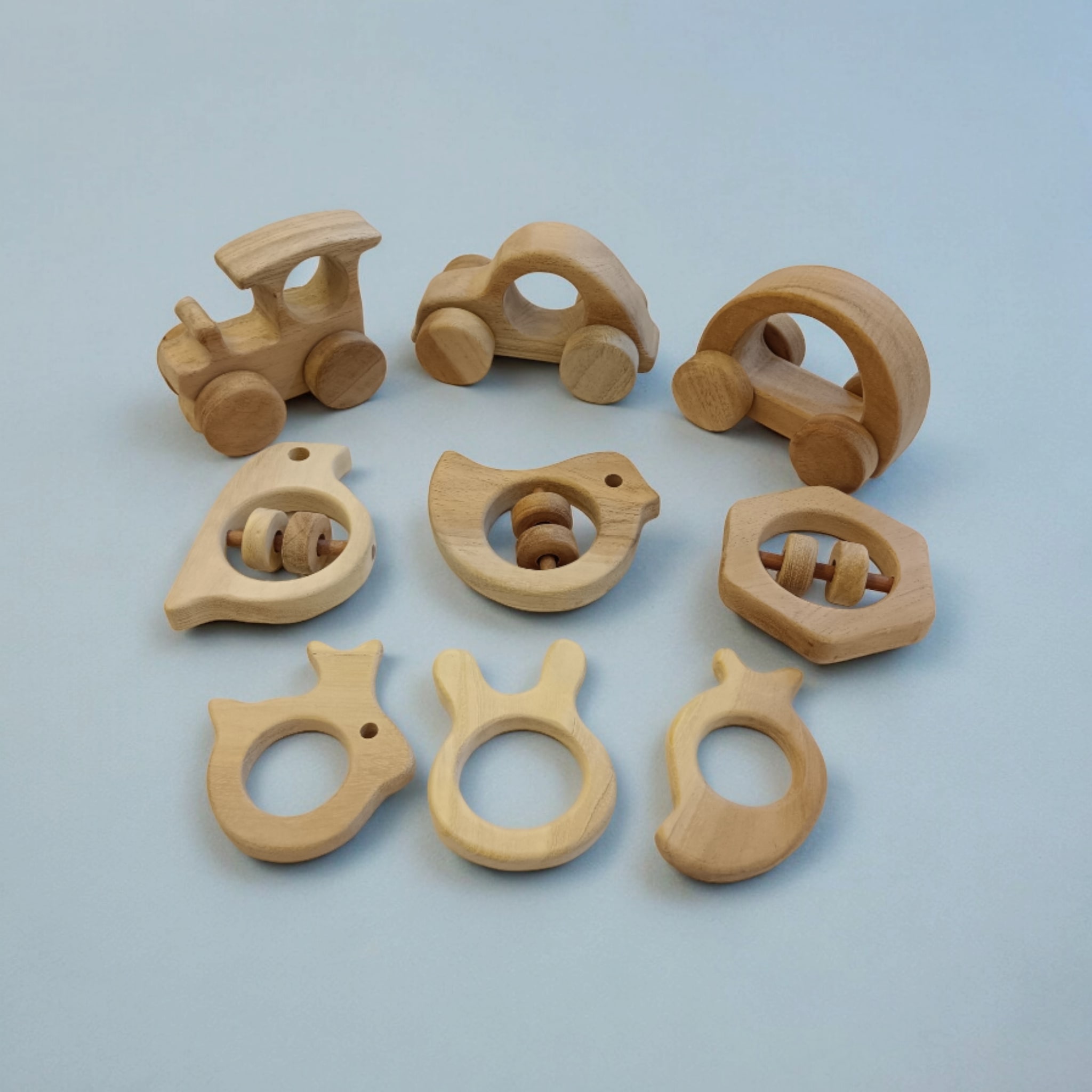
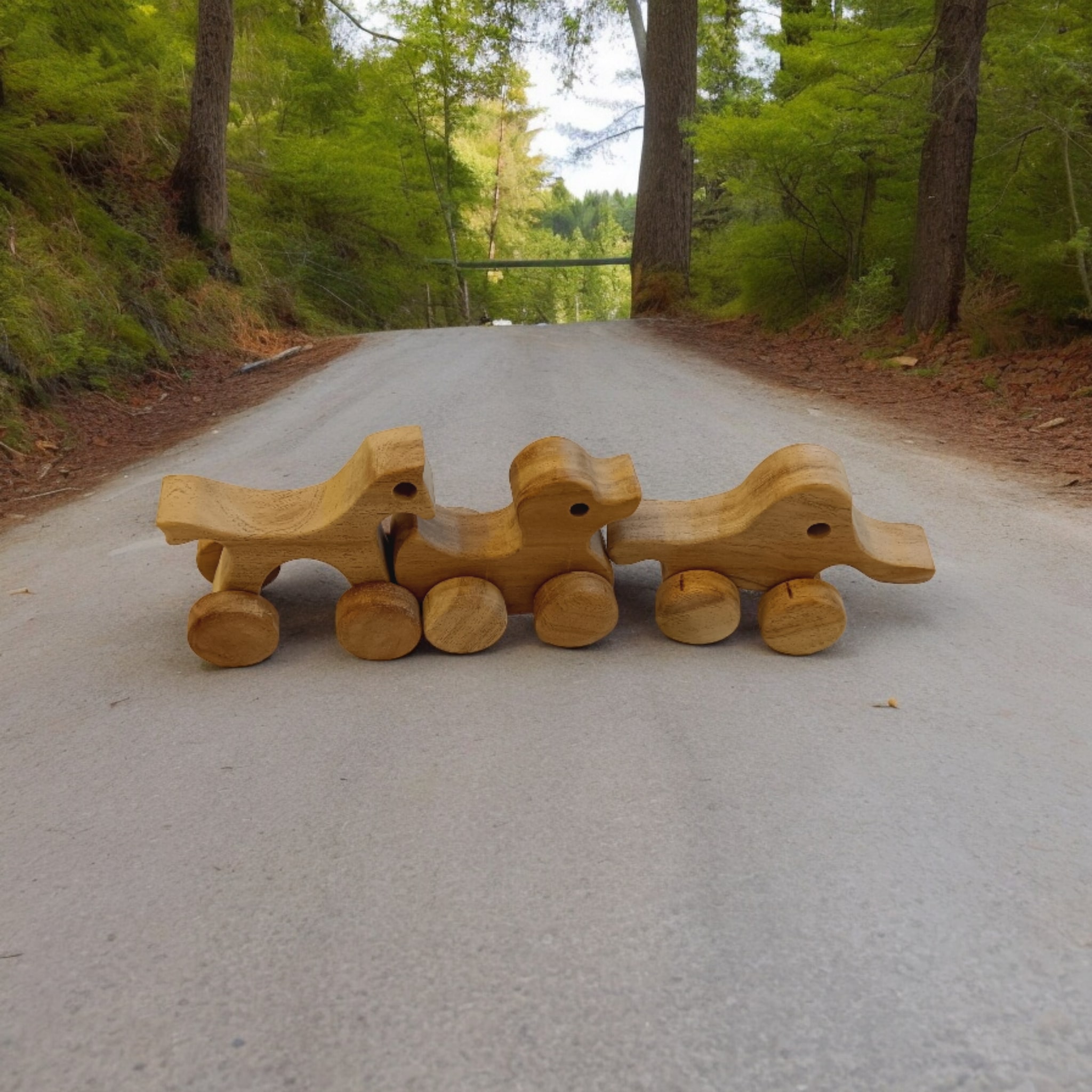
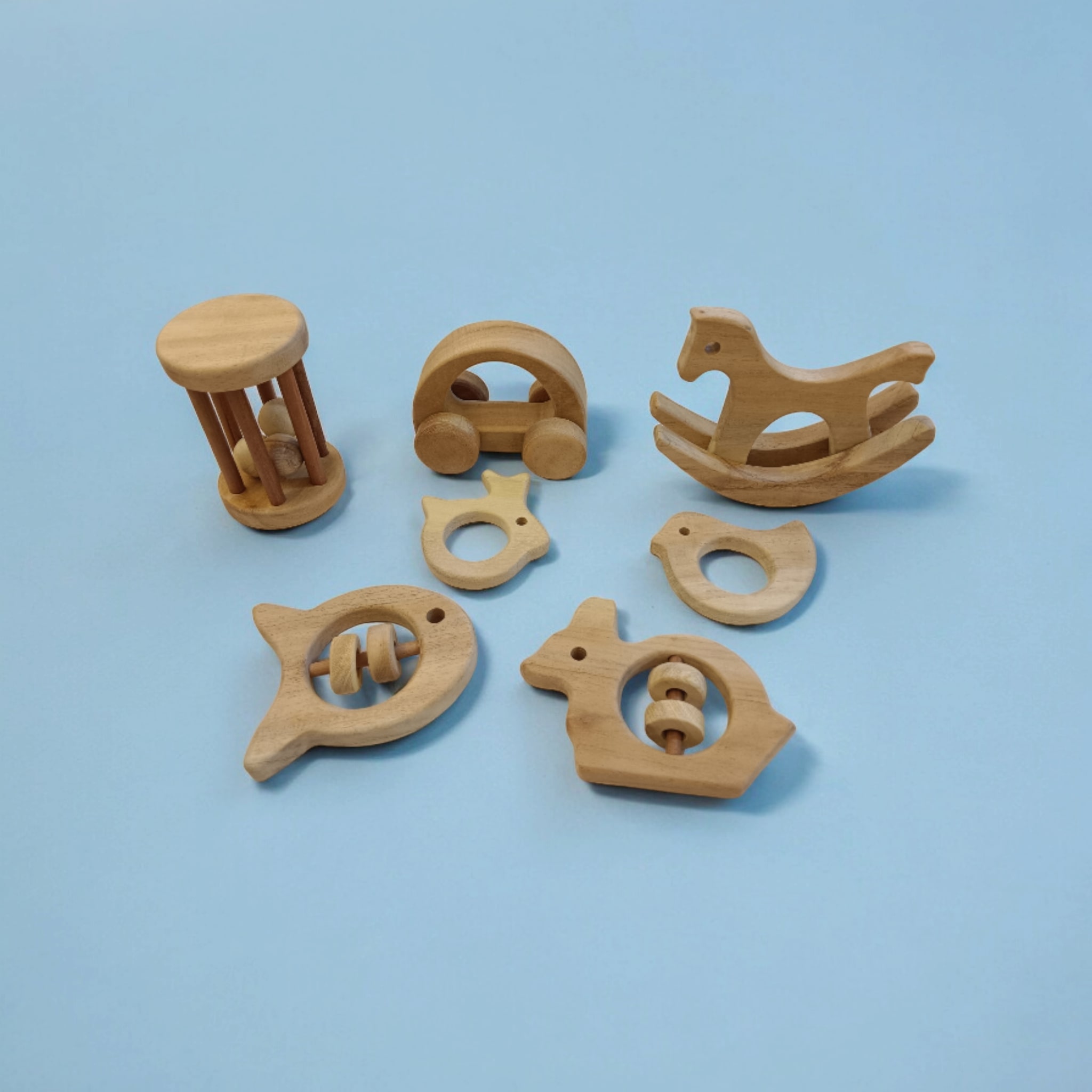
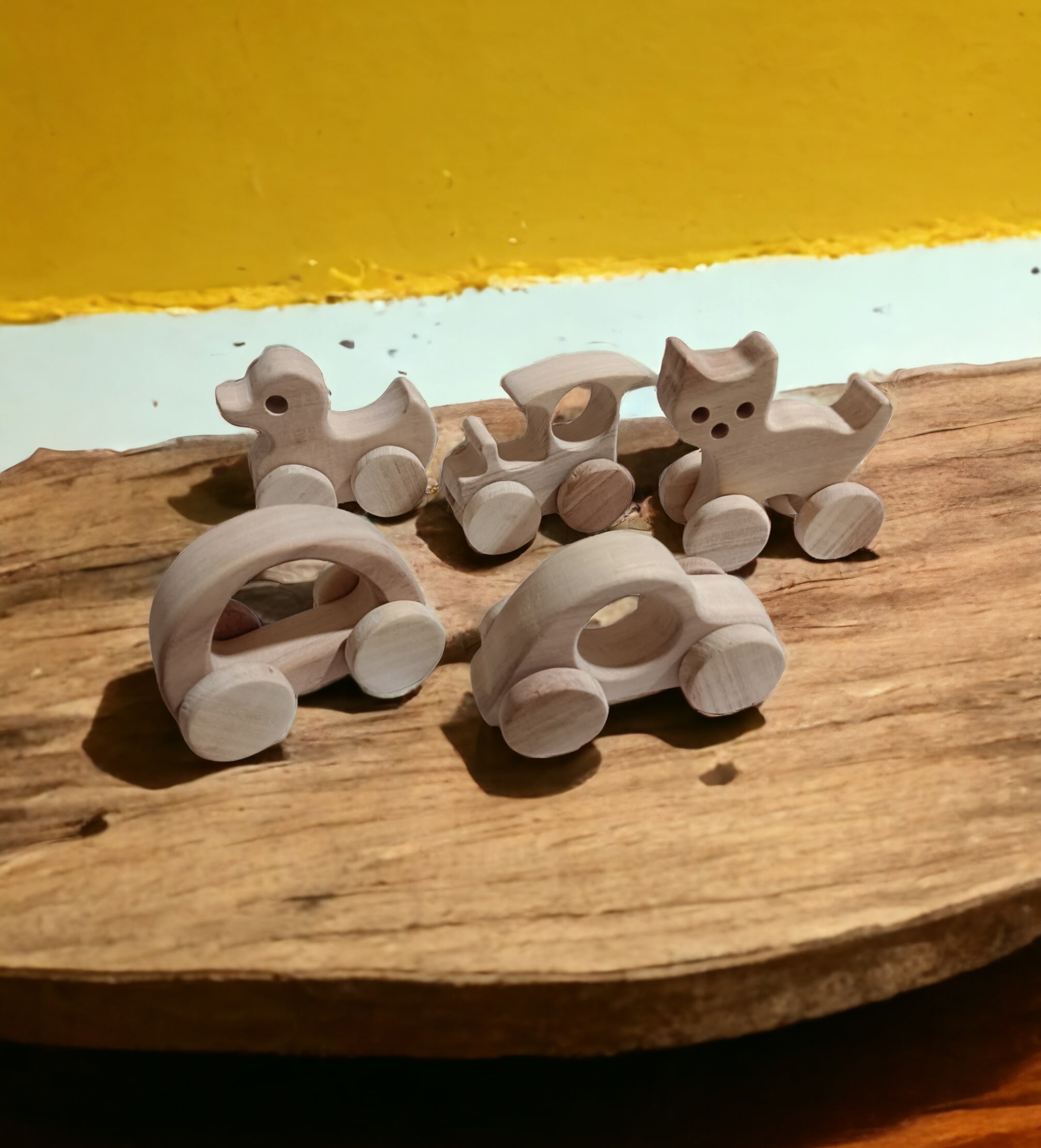
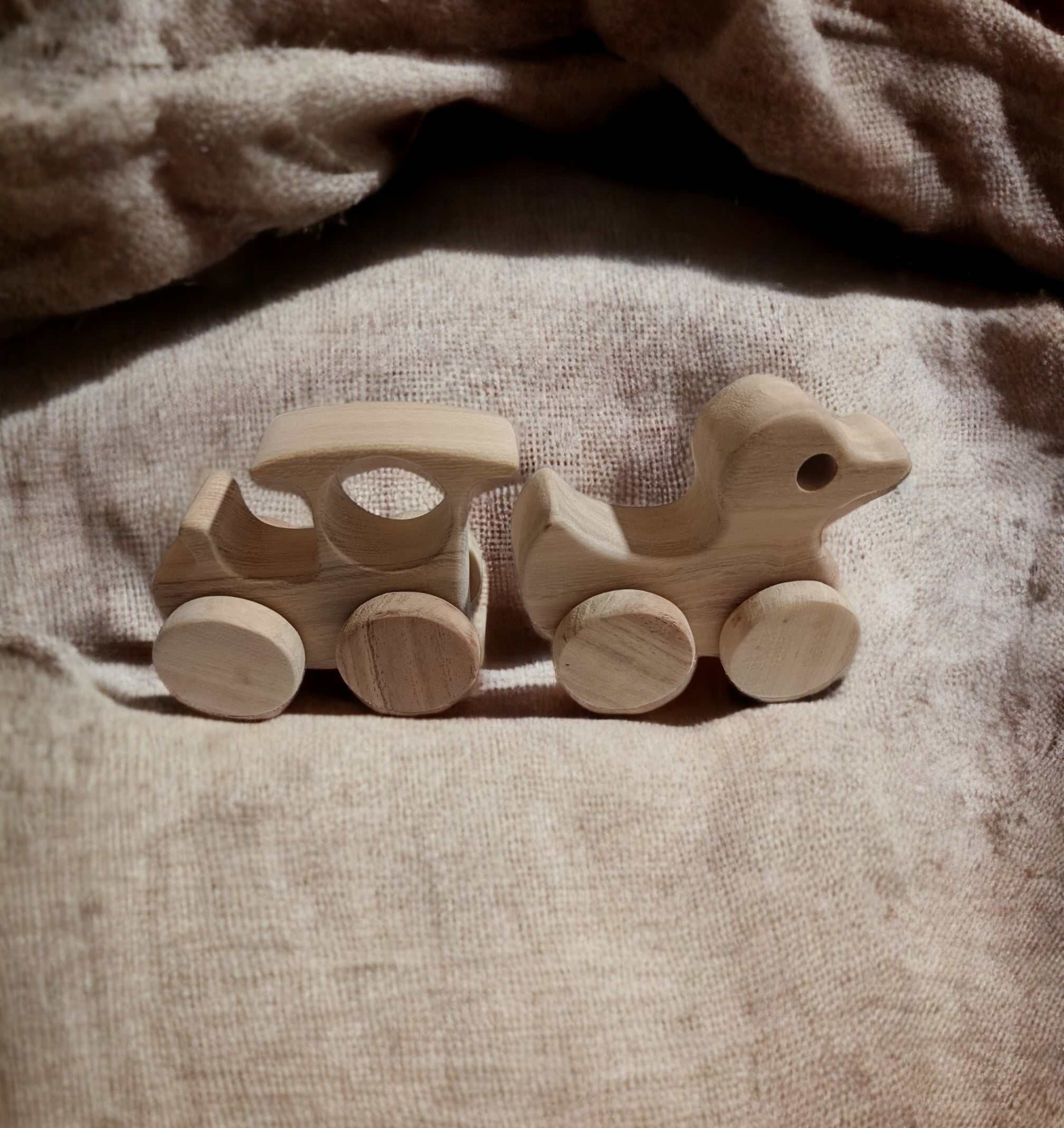
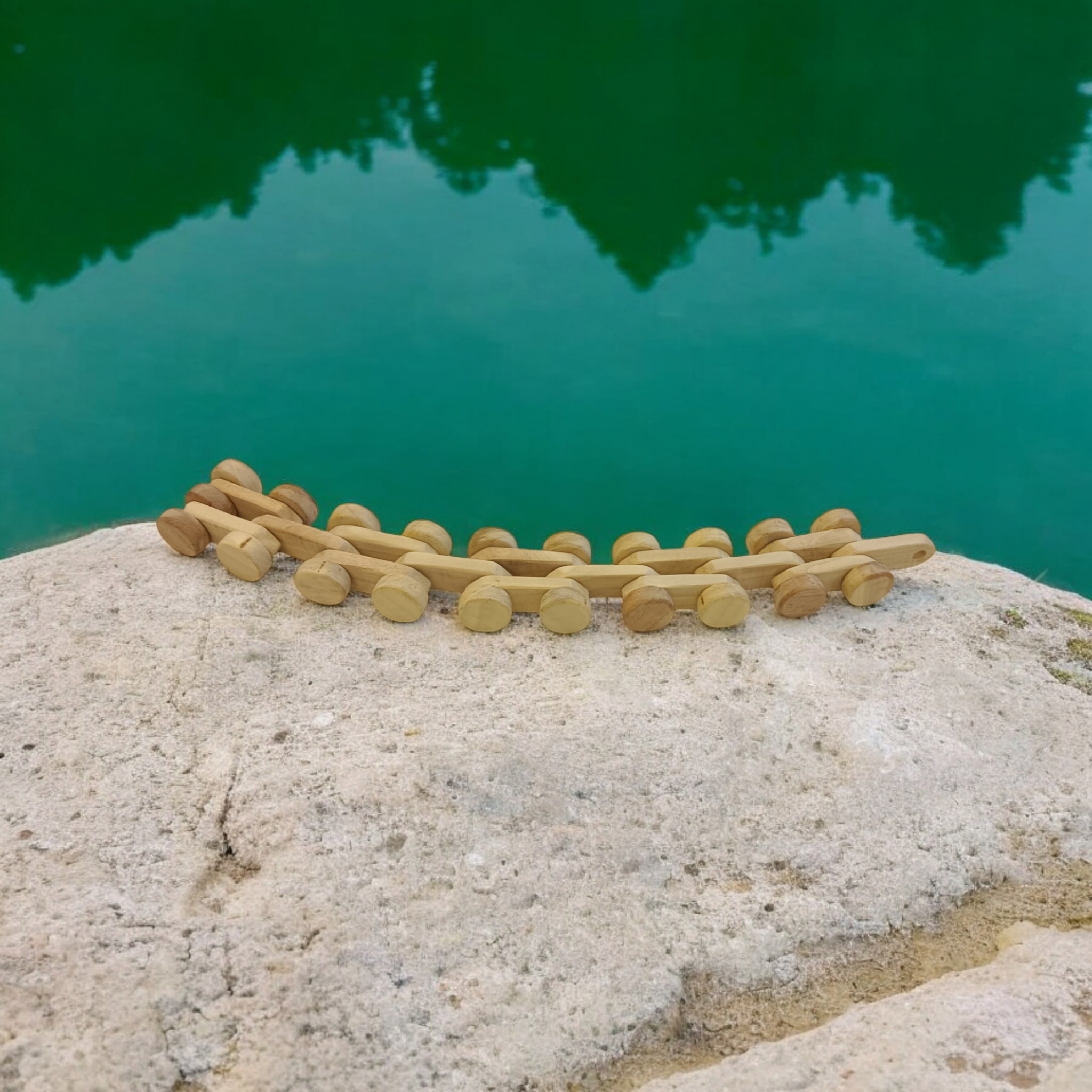
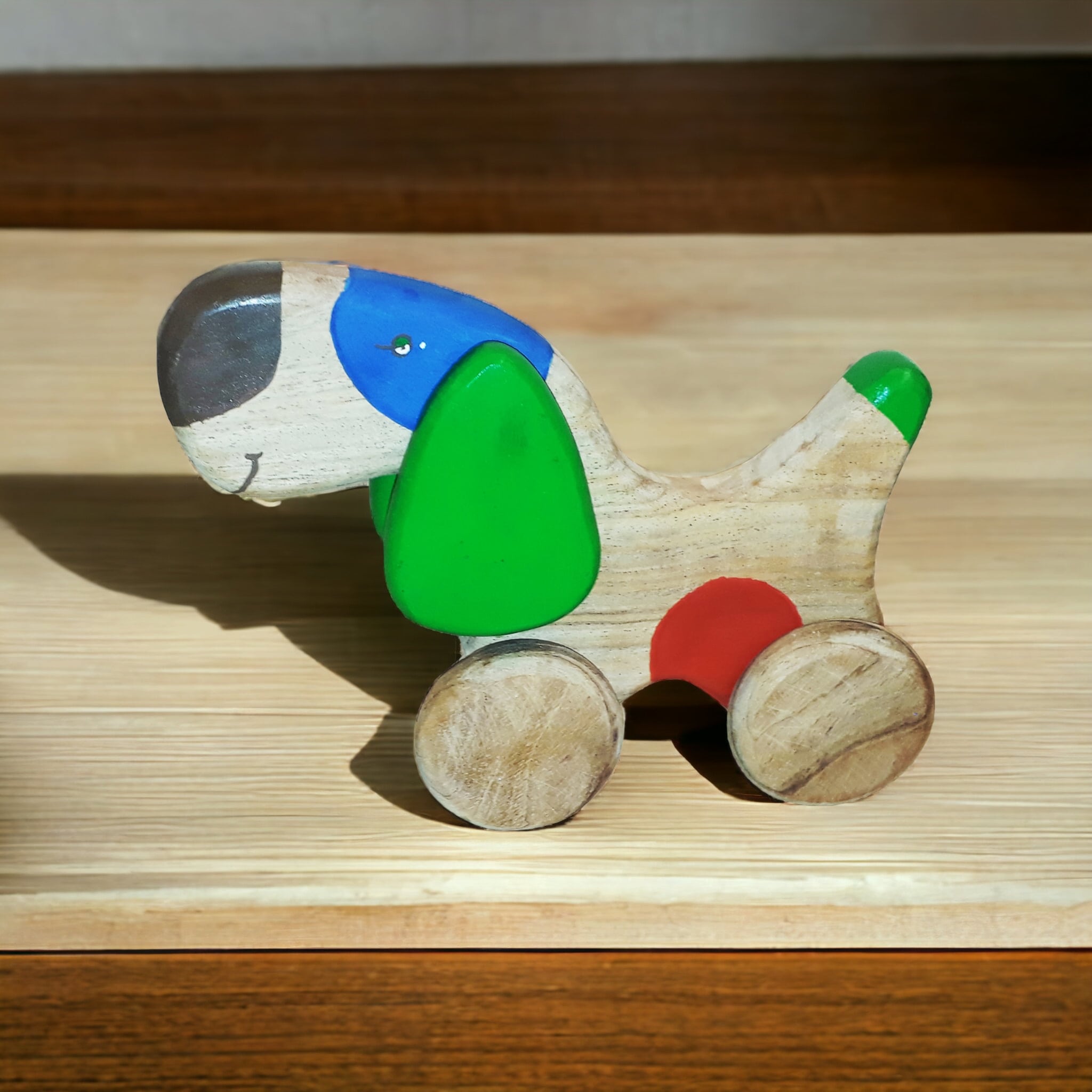
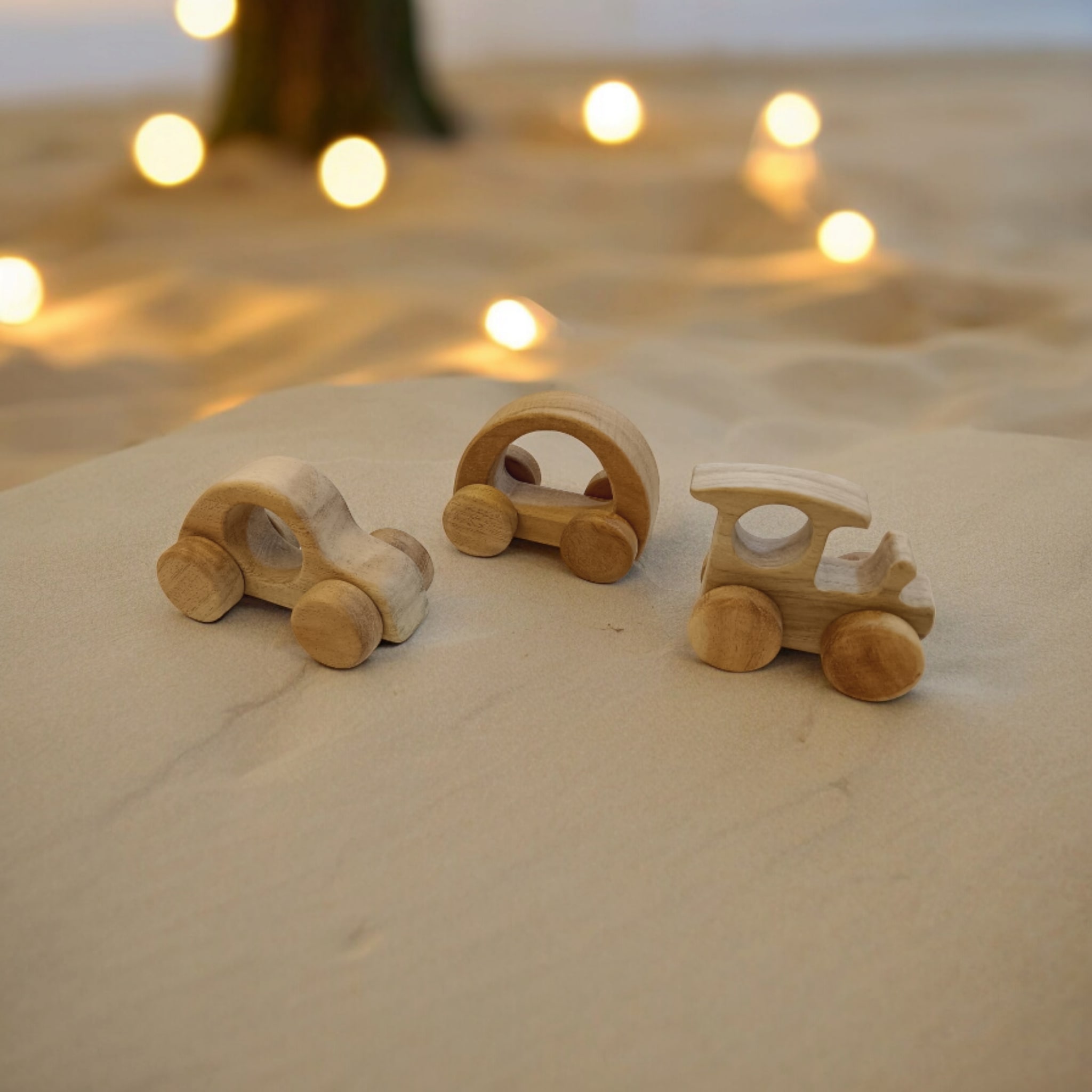
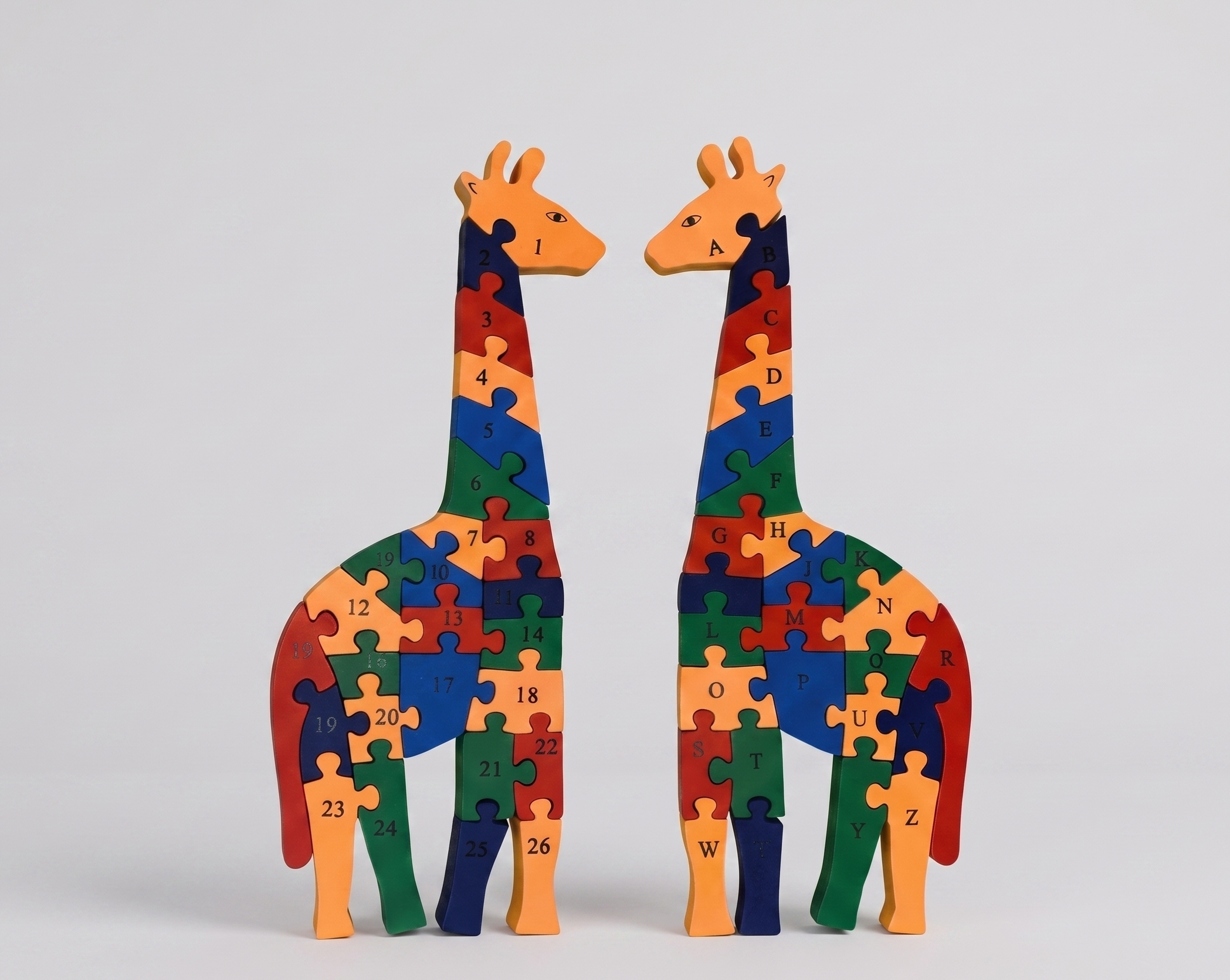
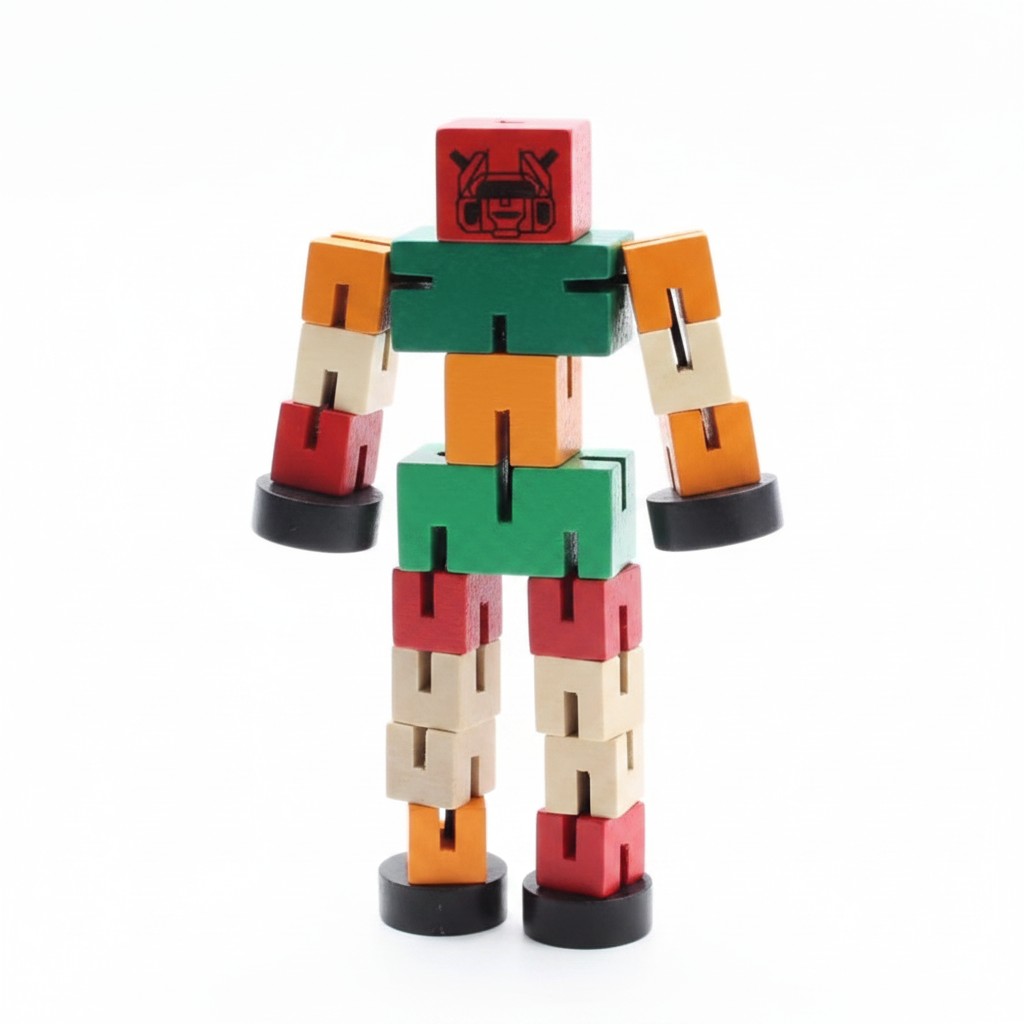
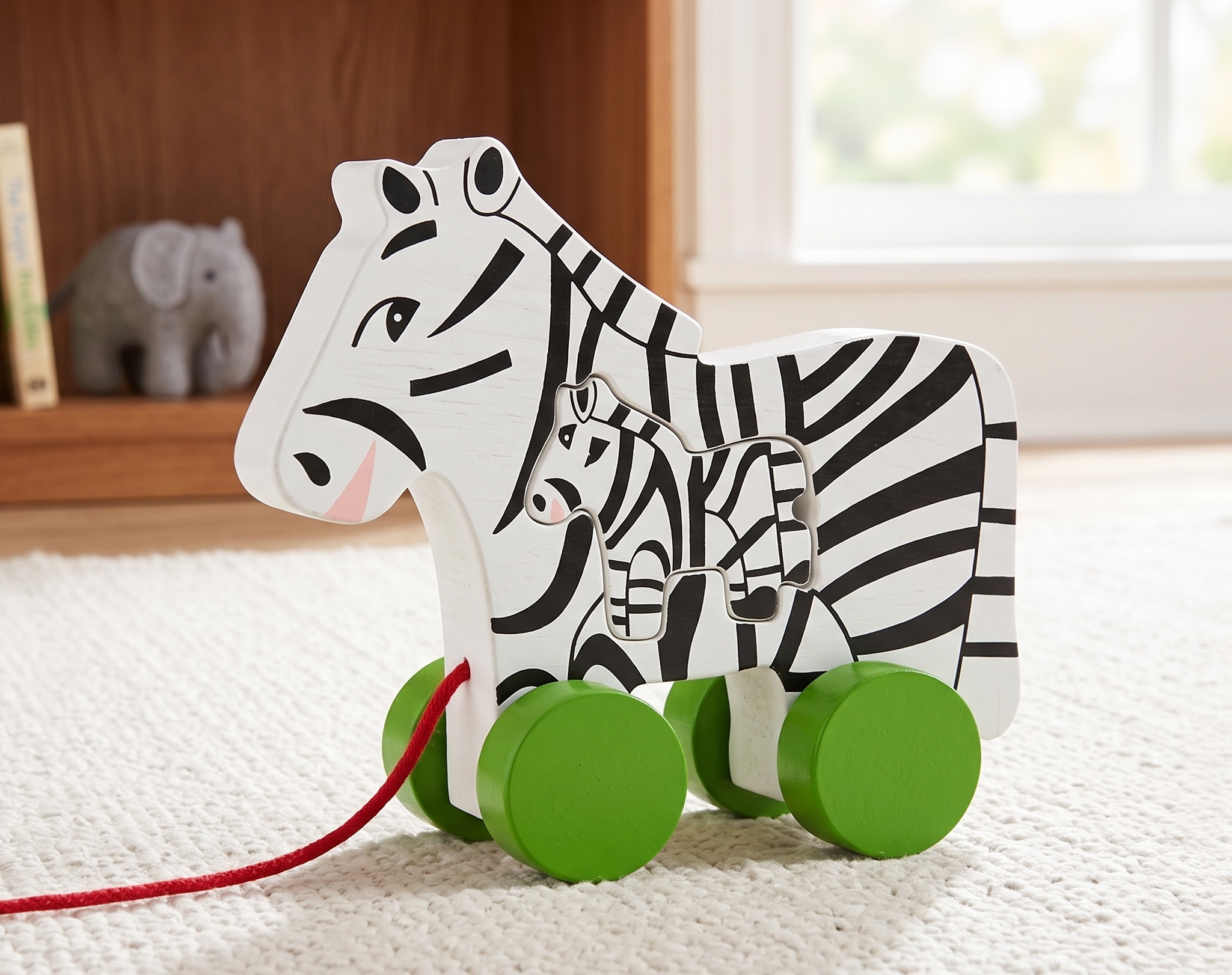
The Timeless Charm of Wooden Toys
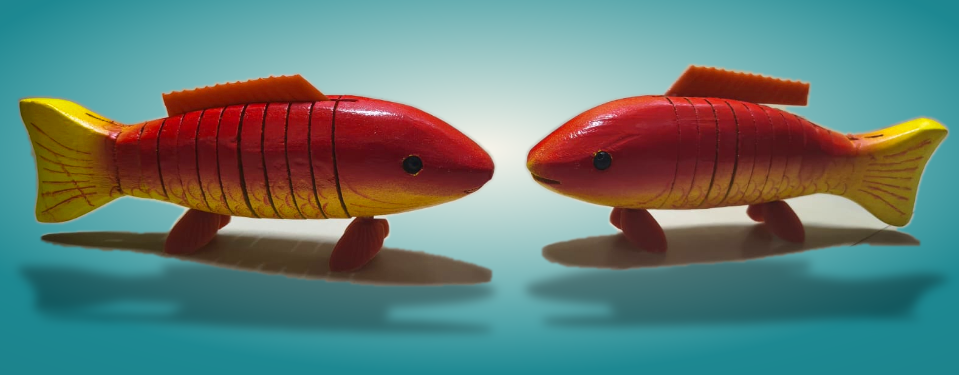
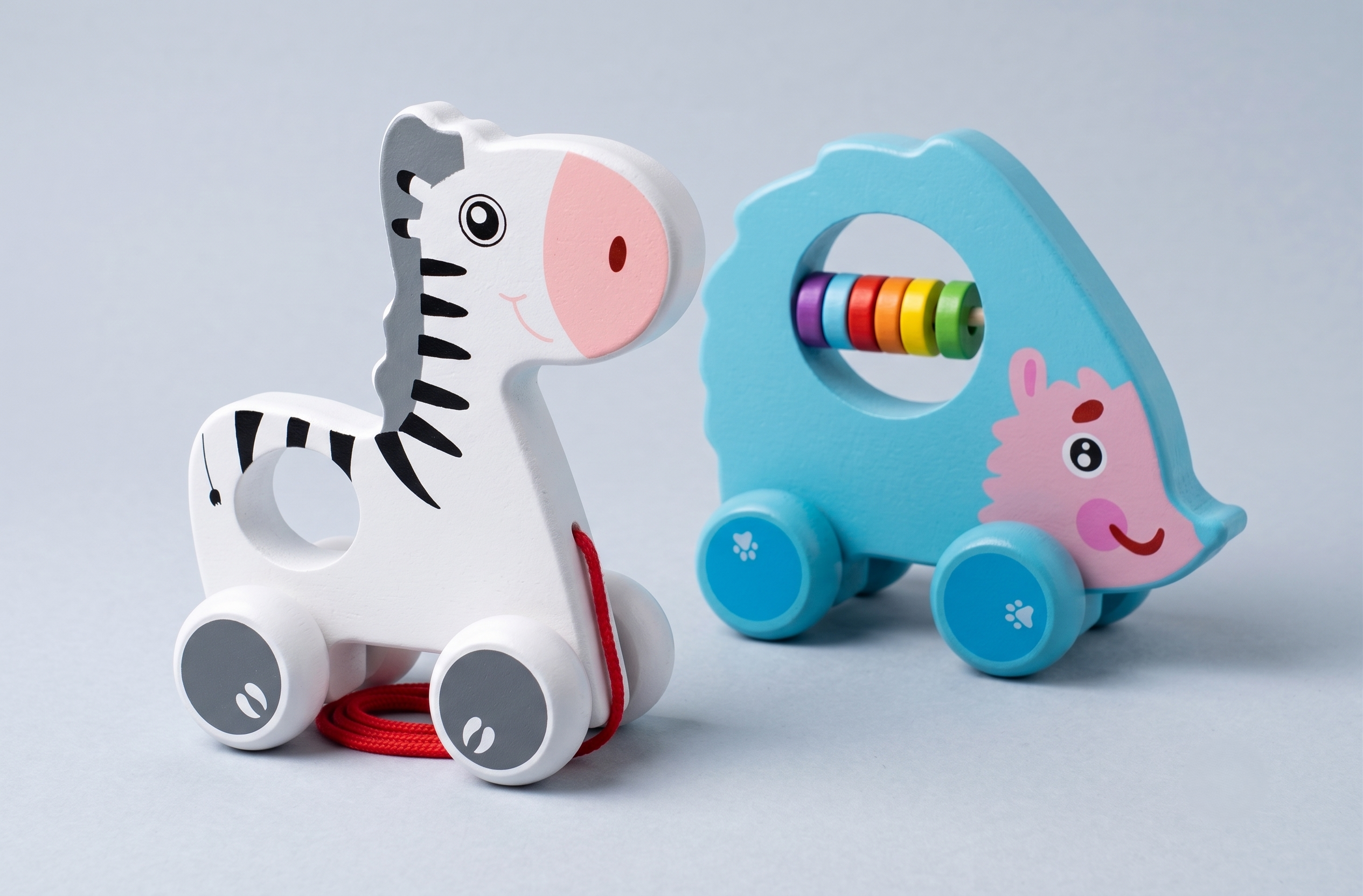
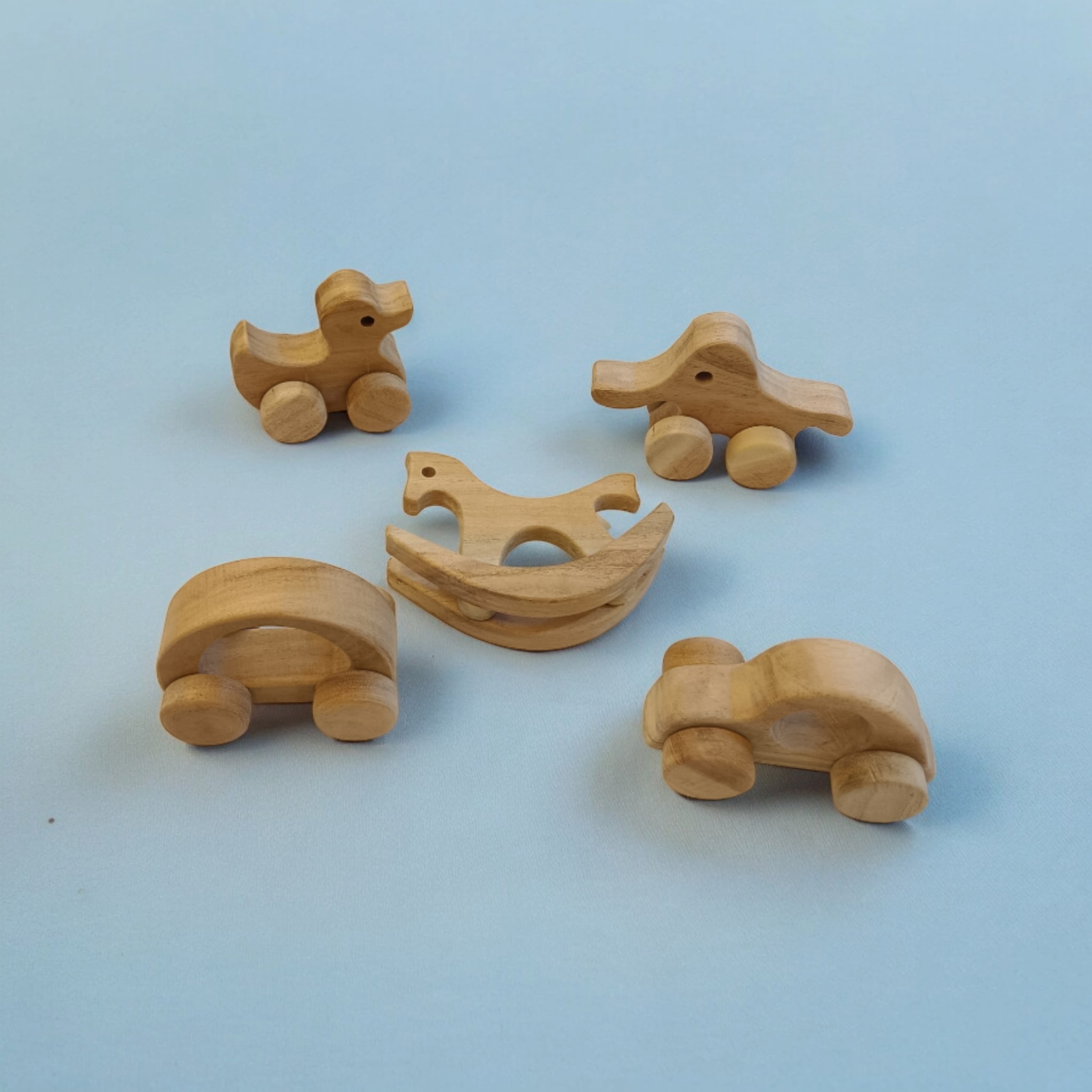
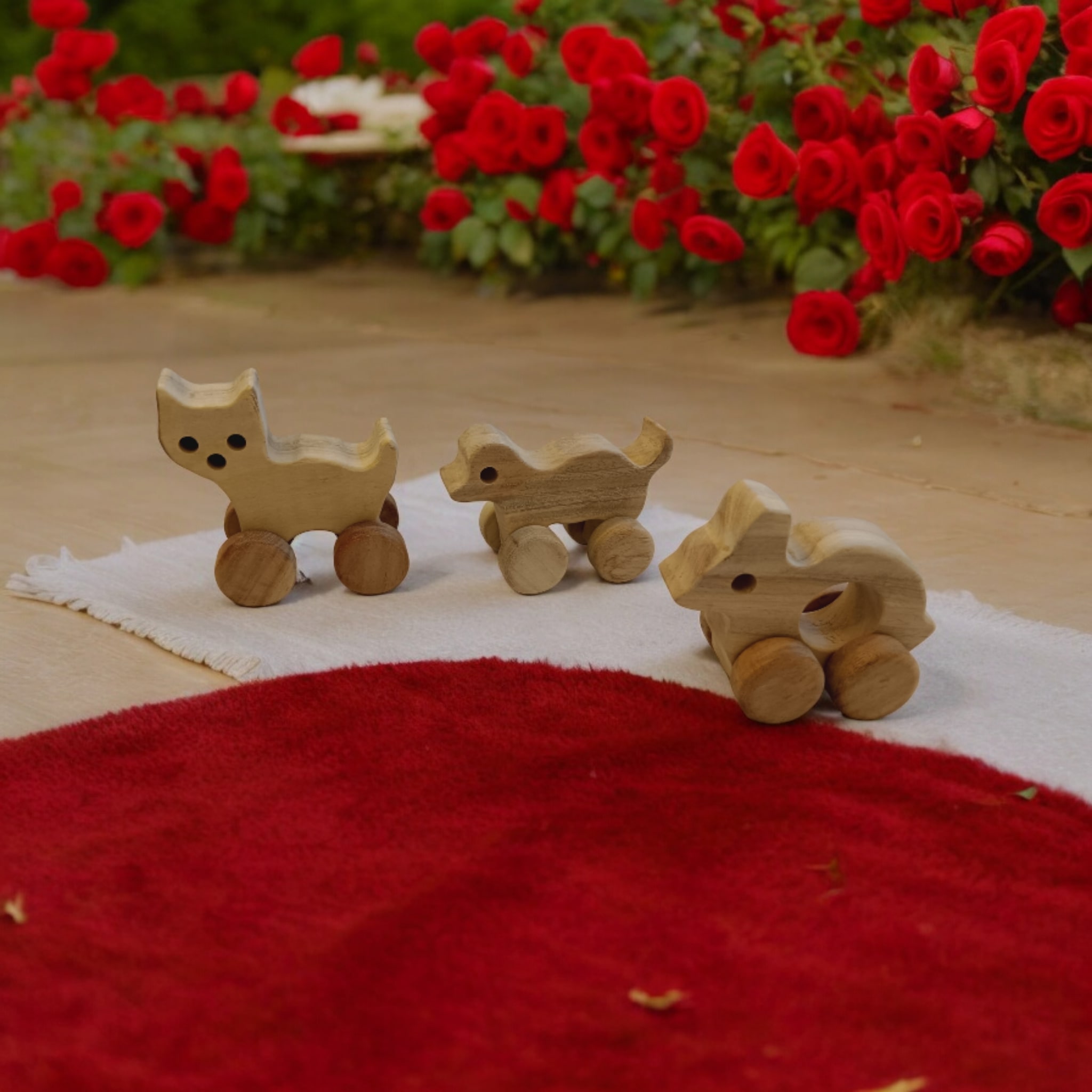
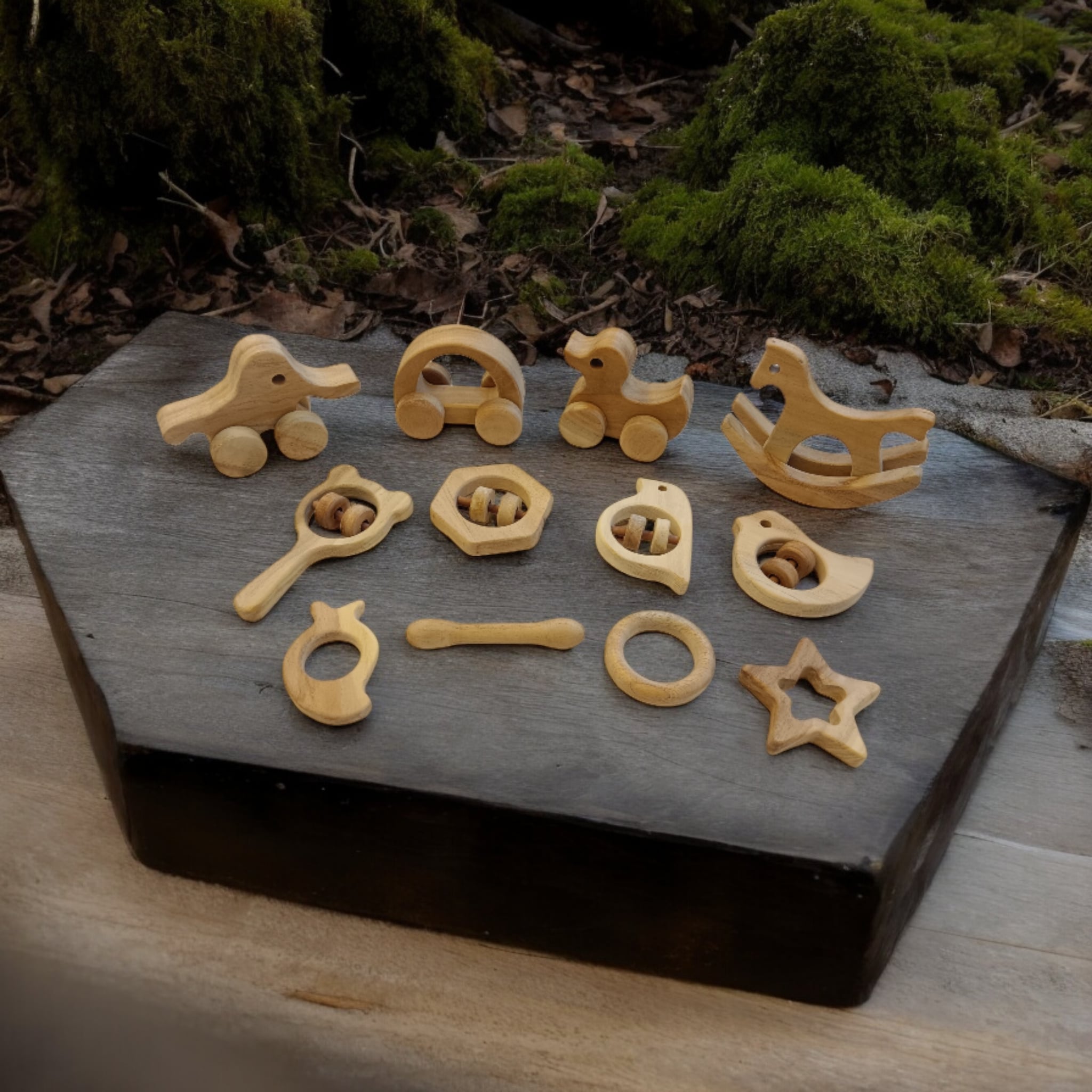
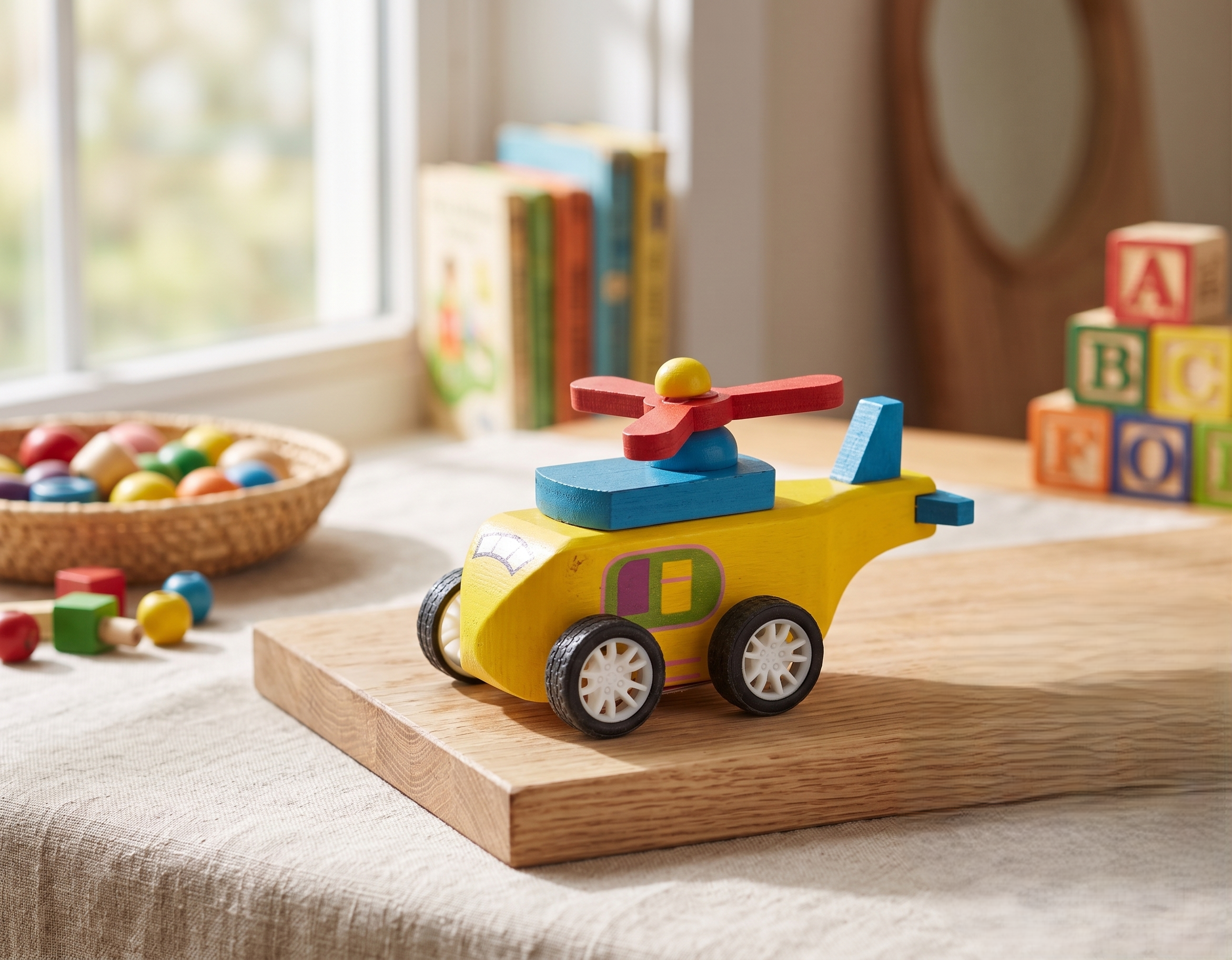
Wooden toys bring together simple play, natural materials, and lasting design in a way that feels warm, familiar, and refreshingly practical. From a wooden rattle toy for a baby to wooden puzzles for older children, they support open-ended exploration without overwhelming the senses. This guide looks at why Wooden Toys remain so loved, how to choose them thoughtfully, and which types can fit different ages, play styles, and learning goals.
Why do wooden toys still feel so special?
Wooden toys still feel special because they invite children to do more with less. A child can stack, sort, roll, balance, pretend, build, and problem-solve without flashing lights or constant instructions. That simplicity is not a limitation; it gives children room to imagine, test ideas, and repeat actions until they make sense.
There is also a sensory quality to natural wooden toys that many families appreciate. Wood has weight, texture, warmth, and a quiet sound when pieces knock together. These small details make play feel grounded and real, especially compared with toys that do everything for the child.
The appeal is emotional too. Many adults remember vintage wooden toys from childhood, whether it was a pull-along animal, a set of blocks, a shape sorter toy, or a kids rocking horse in the corner of a room. Those memories matter because they remind us that good play does not need to chase every trend. It needs to be safe, meaningful, and enjoyable enough for children to return to again and again.
A calmer kind of play for modern homes
Modern family life can be busy, noisy, and full of screens. Wooden toys for kids offer a softer pace. They often encourage children to sit, focus, handle objects carefully, and create their own play instead of reacting to a toy’s preset sounds or movements.
That calmness can be especially helpful during everyday routines. A small basket of wooden baby toys near a play mat, a few wooden stacking toys in the living room, or educational wooden toys on a low shelf can make independent play feel accessible. Children can see what is available, choose what interests them, and begin without needing constant adult setup.
This does not mean wooden toys are only quiet or serious. They can be full of action and laughter. A wooden baby walker can support early movement, wooden animal toys can become characters in a story, and blocks can turn into towers, roads, shops, bridges, or castles. The difference is that the child supplies much of the energy and imagination.
What makes wooden toys good for learning?
Wooden toys support learning by giving children hands-on problems to solve. When a child fits a circle into a shape sorter toy, balances blocks, turns puzzle pieces, or stacks rings from large to small, they are practicing coordination, patience, memory, and early reasoning. The learning feels like play because the child is discovering through movement and repetition.
Educational toys work best when they are simple enough to understand but challenging enough to invite effort. Many educational wooden toys do exactly that. They give clear feedback: a piece fits or it does not, a tower stands or falls, a wheel rolls smoothly or gets stuck. This kind of feedback helps children adjust their actions without needing a long explanation.
Wooden puzzles are a good example. A toddler may begin with chunky pieces that match obvious outlines. Later, a child may enjoy layered puzzles, animal puzzles, alphabet pieces, number boards, or scene-based puzzles that require closer observation. Each step adds a little more complexity while keeping the experience physical and intuitive.
Useful learning benefits often include:
- Fine motor practice: Picking up knobs, sliding beads, turning puzzle pieces, and grasping blocks all strengthen small hand movements.
- Problem-solving: Children test what fits, what balances, what rolls, and what changes when they try again.
- Language development: Adults can name colors, shapes, animals, actions, sizes, and positions during play.
- Early math thinking: Stacking, sorting, matching, ordering, and counting prepare children for later concepts.
- Concentration: A well-designed toy gives children a clear task and enough freedom to stay engaged.
- Imaginative play: Open-ended pieces can become food, animals, vehicles, people, furniture, or anything a story needs.
The best kids learning toys do not rush children. They let them repeat an action until confidence grows. That repetition may look simple from the outside, but for a child it is serious practice.
Montessori ideas and wooden play go naturally together
Montessori toys are often associated with order, independence, real materials, and purposeful activity. That is why montessori wooden toys have become so popular with parents who want play spaces that feel calm, beautiful, and useful. They tend to be easy to handle, visually simple, and focused on one or two clear skills at a time.
A Montessori-inspired setup does not require a perfect shelf or a large collection. The heart of the approach is thoughtful choice. Instead of giving children too many options at once, families can rotate a small number of toys that match the child’s current interests and abilities.
For example, a younger toddler may enjoy wooden stacking toys, a simple shape sorter toy, and large animal figures. An older toddler may be ready for wooden puzzles, sorting trays, nesting cups, or pretend-play objects. Preschool children may use blocks, counting boards, pattern sets, and wooden animal toys to create more complex games.
A simple Montessori-style toy rotation might look like this:
- Choose a few toys with different purposes. Include one movement toy, one problem-solving toy, one pretend-play toy, and one open-ended building toy.
- Keep them visible and easy to reach. Low shelves or small baskets help children choose independently.
- Watch how your child plays. If a toy is too easy, too difficult, or ignored, rotate it out for a while.
- Model once, then step back. Show the basic action, but allow your child to explore their own method.
- Refresh gradually. A small change, such as adding wooden animals to blocks, can make familiar toys feel new.
This approach works because it respects the child’s attention. Rather than filling the room with noise and novelty, it creates space for deeper engagement.
The comfort of tradition in a changing toy world
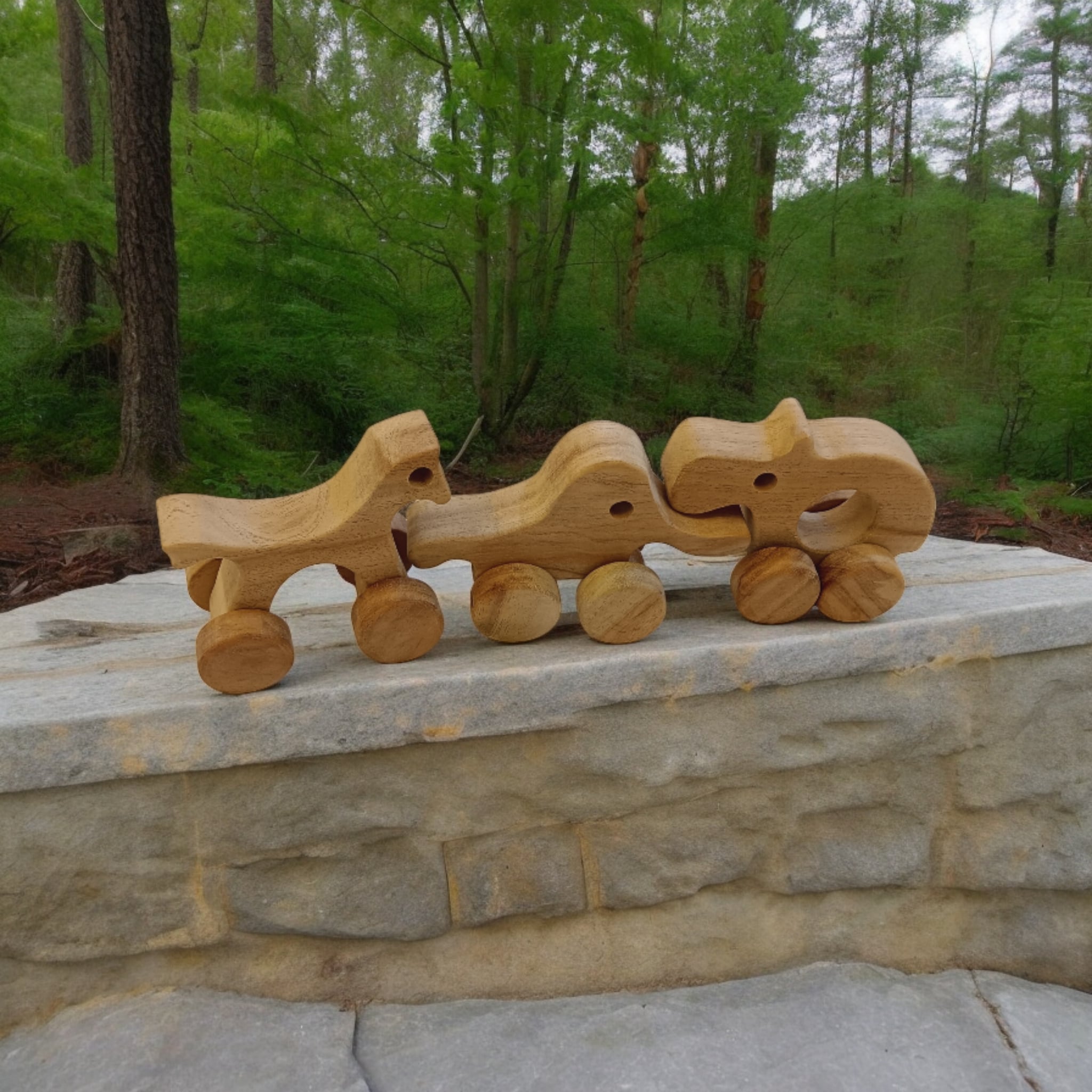
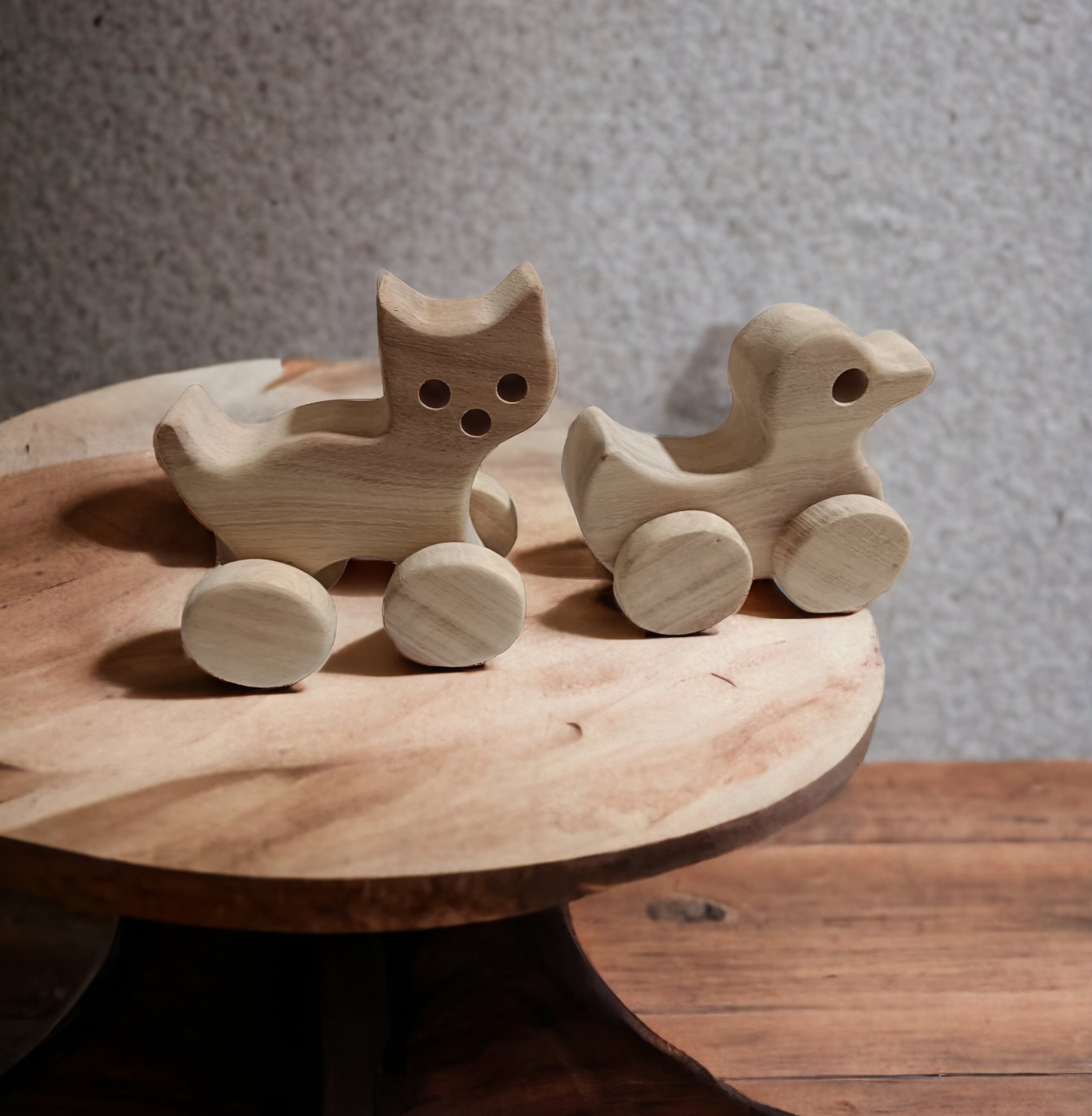
Part of the charm of handmade wooden toys is that they often feel connected to real craftsmanship. Small differences in grain, shape, finish, and carving can make each piece feel personal. Even when a toy is simple, it may carry the quiet beauty of something made with care.
Traditional toys also remind families of cultural memory. Many people search for traditional indian wooden toys online because they want playthings that reflect heritage, artistry, and familiar forms. These may include painted animals, spinning tops, pull toys, kitchen sets, dolls, vehicles, or festival-inspired pieces, depending on the maker and region.
The value is not only decorative. When children play with traditional forms, they encounter colors, shapes, characters, and everyday objects that may connect to family stories. A wooden cart can start a conversation about markets. A handmade animal can lead to a story about village life, forests, farms, or festivals. A simple spinning toy can become a shared moment between generations.
Vintage wooden toys hold a similar kind of meaning. They show that durable design can outlast trends. A toy does not need to be complicated to become beloved; it needs to be enjoyable, sturdy, and open enough to support many rounds of play.
Safety and quality matter most
Beautiful design should never come before safety. Parents and caregivers should look for non-toxic toys made with child-safe finishes, smooth edges, secure parts, and an age-appropriate size. If a toy is for a baby or toddler, avoid small detachable pieces that could become choking hazards.
It is also worth checking how a toy feels in the hand. A well-finished wooden toy should not have rough splinters, sharp corners, peeling paint, strong chemical smells, or loose hardware. Moving parts should work smoothly, and wheels, strings, pegs, or knobs should be firmly attached.
Before buying or gifting wooden baby toys, use this practical checklist:
- Material: Look for solid wood or clearly described materials rather than vague claims.
- Finish: Choose non-toxic toys with finishes intended for children’s use.
- Surface: Run your hand over the toy to check for rough patches, cracks, or splinters.
- Size: For babies and toddlers, avoid small pieces that could fit fully in the mouth.
- Strength: Check that glued, painted, or attached elements are secure.
- Age fit: Choose toys that match the child’s stage, not just the look of the product.
- Supervision: Stay close during play, especially with walkers, ride-on toys, strings, or small accessories.
- Cleaning: Follow the maker’s care instructions and avoid soaking wood unless the product specifically allows it.
A toy that is safe, sturdy, and thoughtfully designed will be more enjoyable for both child and adult. It also has a better chance of lasting through years of everyday use.
Choosing wooden toys by age and stage
The right toy depends less on the label and more on what the child is ready to do. A baby explores with the senses. A toddler wants to move, carry, sort, stack, dump, and repeat. A preschooler begins to plan, pretend, count, build, and tell stories.
Babies: sensory discovery and simple grasping
For babies, wooden rattle toys, smooth grasping rings, simple rollers, and lightweight wooden baby toys can introduce texture, sound, and movement. The design should be simple, easy to hold, and safe for mouthing if the product is intended for that stage. At this age, less is usually more.
A wooden rattle toy can support early hand control as the baby learns to grip and shake. A rolling toy can encourage reaching during tummy time. A smooth teether-style wooden form, if made and finished appropriately, can offer sensory interest under close supervision.
Toddlers: movement, sorting, and repetition
Toddlers often love toys that let them practice independence. A wooden baby walker may support push-and-walk play when a child is developmentally ready and closely supervised. Shape sorters, stacking rings, nesting blocks, and pull-along animals help toddlers coordinate their hands, eyes, and bodies.
This is also a wonderful stage for wooden stacking toys. Stacking teaches balance, size order, cause and effect, and persistence. When the tower falls, the child learns something useful and often wants to try again immediately.
Preschoolers: stories, patterns, and problem-solving
Preschool children usually enjoy more complex educational toys. Wooden puzzles, pretend kitchen pieces, counting toys, wooden animal toys, road sets, blocks, and simple construction sets can support longer play sessions. They may begin combining toys into elaborate scenes instead of using each item in only one way.
A set of wooden animal toys can become a forest, farm, rescue center, parade, or storytelling prompt. Wooden puzzles can introduce matching, spatial awareness, early literacy, or number recognition. Blocks can become almost anything, making them one of the most flexible wooden toys for kids.
Older children: creativity and design thinking
Older children may still enjoy natural wooden toys when the challenge grows with them. More advanced puzzles, building sets, balance games, craft-based wooden kits, and pretend-play scenes can encourage planning and creativity. The key is to choose toys that leave room for invention instead of giving a single fixed outcome.
A child who has outgrown a simple sorter may still use blocks to design a city, create a marble path, build animal homes, or stage a story. That flexibility is one reason wooden pieces often remain in play longer than expected.
Classic wooden toys that earn their place
Some toys remain popular because they meet children exactly where they are. They offer simple actions, clear feedback, and many ways to play. If you are building a small collection, these classic options are a strong place to start:
- Blocks: Open-ended blocks support stacking, building, counting, pretend play, and early engineering.
- Shape sorter toy: A shape sorter toy helps toddlers match shapes, practice hand control, and learn through trial and error.
- Wooden puzzles: Wooden puzzles develop observation, patience, matching, and spatial awareness.
- Wooden stacking toys: Wooden stacking toys introduce size, order, balance, and concentration.
- Wooden rattle toys: A wooden rattle toy gives babies gentle sound, grip practice, and sensory discovery.
- Wooden animal toys: Wooden animal toys encourage naming, storytelling, sorting, and imaginative worlds.
- Wooden baby walker: A wooden baby walker can add movement-based play for children who are ready for supported pushing.
- Kids rocking horse: A kids rocking horse can bring rhythm, balance, and pretend adventure into a playroom.
- Pretend-play sets: Wooden food, tools, vehicles, and household objects help children imitate real life.
- Handmade wooden toys: Handmade wooden toys can add character, beauty, and a sense of tradition.
A good collection does not need every category. It needs a balanced mix that suits the child’s age, space, and interests.
Eco-friendly play begins with mindful buying
Wood is often chosen by families looking for eco-friendly toys, but the material alone is not the whole story. A more mindful choice considers durability, finish, packaging, repairability, and how long the toy is likely to stay useful. The most sustainable toy is often the one a child plays with often and a family does not need to replace quickly.
Natural wooden toys can fit well into a lower-waste lifestyle when they are made to last. A sturdy block set may serve babies, toddlers, preschoolers, and older siblings in different ways. A well-loved puzzle or rocking horse may be passed along to another child instead of being discarded after a short phase.
To buy more thoughtfully, ask yourself:
- Will this toy support more than one kind of play?
- Is it suitable for the child now, or will it be useful soon?
- Does it seem strong enough for repeated handling?
- Are the materials and finishes clearly described?
- Can it be cleaned, stored, repaired, or passed on?
- Does it add something meaningful, or is it just another version of what the child already has?
This mindset helps prevent clutter. It also makes each toy feel more intentional.
How to create a beautiful wooden toy corner
A wooden toy corner does not need to look like a catalog photo. It should be practical, safe, and inviting for the child who uses it. The goal is to make play easy to begin and easy to clean up.
Start with a small number of toys displayed in a clear way. Put wooden puzzles on a low shelf, keep blocks in a basket, place wooden animal toys in a tray, and store smaller pieces in containers that children can manage. When everything has a simple home, children are more likely to return items after play.
A balanced play corner might include:
- One open-ended building option, such as blocks
- One problem-solving toy, such as a puzzle or shape sorter toy
- One movement toy, such as a pull toy or wooden baby walker if age-appropriate
- One pretend-play set, such as animals, food, or vehicles
- One calming sensory item, such as a wooden rattle toy, roller, or smooth grasping toy
Rotate toys when interest fades. Sometimes a toy that has been ignored for weeks becomes exciting again after a short break. You can also combine items in fresh ways, such as adding animal figures to blocks or using stacking cups with pretend food.
Caring for wooden toys keeps them play-ready
Wooden toys are generally easy to care for, but they do need a little attention. Because wood can absorb moisture, it is best to clean gently and avoid leaving toys wet unless the maker’s care instructions say otherwise. A quick wipe and proper drying are often enough for everyday maintenance.
Inspect toys regularly, especially those used by babies and toddlers. Look for loose parts, chipped finishes, cracks, rough edges, or weakened strings. If a toy shows damage that could make it unsafe, remove it from play until it can be repaired or replaced.
Good storage also extends a toy’s life. Keep wooden toys in a dry place, away from prolonged dampness or harsh conditions. Use baskets, shelves, cloth bags, or trays so pieces do not get lost or crushed. A little care protects both the toy and the child’s experience of using it.
Wooden toys make thoughtful gifts
Wooden Toys are excellent gifts because they feel personal without being overly complicated. They suit birthdays, baby showers, holidays, and milestone moments, especially when chosen with the child’s stage in mind. A carefully selected wooden toy can become part of everyday play rather than something that is opened once and forgotten.
For a baby, consider smooth wooden baby toys or a wooden rattle toy. For a toddler, a shape sorter toy, wooden stacking toys, or a pull-along figure may be more engaging. For a preschooler, wooden puzzles, pretend-play sets, or wooden animal toys can inspire longer stories and more independent play. For a child who loves active play, a kids rocking horse may be a memorable choice if it fits the home and the child’s age.
Handmade wooden toys also make lovely keepsake-style gifts. They can feel meaningful for families who value craftsmanship, tradition, or natural materials. If buying traditional indian wooden toys online, look for clear product details, age guidance, finish information, and safe construction before choosing a piece.
Quick answers before you order
Q1: What are the best wooden toys and Montessori items available at Thotfy?
Answer: Finding top-quality wooden toys and developmental Montessori toys is effortless with Thotfy's exclusive collection. We offer safe, non-toxic wooden toys for kids, interactive educational learning toys, and durable play items designed to support early childhood development naturally.
Q2: Why should I choose wooden toys over plastic alternatives for toddlers?
Answer: Wooden toys are naturally durable, eco-friendly, and free from harmful chemical toxins like BPA and phthalates. They encourage open-ended play, stimulate imagination, and last for generations compared to flimsy plastic alternatives.
Q3: What age groups are Thotfy's wooden toys and educational games suited for?
Answer: Our collection caters to all developmental stages, featuring sensory-safe items for newborns, engaging shape sorter toys and wooden baby walkers for toddlers (1–3 years), and intricate wooden puzzles or educational toys for children aged 3 to 7 years.
Q4: Are Thotfy's wooden toys safe and non-toxic for babies?
Answer: Yes! Safety is our utmost priority. All our wooden play items, including wooden puzzles and push toys, are crafted using non-toxic, child-safe paints, smooth polished edges, and natural sustainable timber.
Q5: Can I find pretend play sets like wooden kitchen sets and dollhouses?
Answer: Absolutely! Explore our popular pretend-play range featuring kids wooden kitchen sets, wooden dolls house models, and creative roleplay toys designed to spark storytelling and social skills in young kids.
The lasting value of simple play
The timeless charm of wooden toys comes from the way they balance beauty, usefulness, and imagination. They do not try to entertain children from every angle. Instead, they invite children to touch, test, build, pretend, repeat, and discover.
Whether you choose montessori toys, educational wooden toys, vintage wooden toys, handmade wooden toys, or a few classic wooden puzzles and blocks, the best choice is the one that fits your child’s stage and encourages real engagement. Thoughtful, non-toxic toys made with care can bring calm, creativity, and connection into everyday play.
In a world full of fast-changing products, wooden toys remind us that children still learn deeply through simple things. A block, a sorter, a rattle, a kids rocking horse, or a tiny wooden animal can open the door to movement, language, problem-solving, and stories. That is why wooden toys continue to feel not just nostalgic, but genuinely worthwhile.
💡 Editorial / Blog Link Integration (SEO Boost): Looking for more inspiration on child safety, material comparisons, and developmental milestones? Read our expert Safe Wooden Toys & Teethers Buying Guide to choose the best play items for your little ones.
Related Expert Guides (Blog Resource Hub)
- Complete Guide to Safe & Non-Toxic Wooden Toys for Kids
- How Montessori Toys Build Cognitive Skills in Toddlers
- Neem Wood vs. Silicone Teethers: A Parent's Safety Guide
- Top 10 Educational Toys for 2 to 4-Year-Olds
- Choosing Eco-Friendly Pretend Play Sets for Children
Explore Thotfy Collections
Browse through our wide range of curated categories, from everyday kitchen essentials to artisanal home decor and thoughtful gifting.
- Kitchen | Storage Jars | Storage Containers | Lunch Boxes | Casseroles | Lunch Bags | Kitchen Tools | Baking Dishes | Kitchen Racks | Cookware | Cooking Pots | Stainless Steel Cookware | Aprons
- Dining | Plates | Platters | Bowls | Snack Bowls | Table Linen | Tea Cups | Coffee Mugs | Water Bottles | Wine Glasses | Champagne Glasses | Tumblers | Table Mats | Cake Stands | Serving Bowls | Dinner Plates | Section Plates | Drinkware
- Decor | Puja Essentials | Showpieces | Photo Frames | Baskets | Mirrors | Candles | Candle Stands | Kids’ Collection | Vases | Tissue Boxes | Decorative Trays | Table Accents | Decorative Bowls
- Bath | Floor Mats | Dustbins | Bathroom Accessories | Bathroom Sets | Dispensers
- Bags And Accessories | Car Accessories | Jewellery | Earrings | Rings | Makeup Pouches | Jewellery Organisers | Tote Bags | Travel Bags | Sling Bags | Handbags
- Soft Furnishings | Throw Blankets | Cushions And Cushion Covers | Bedsheets | Rugs
- Gifts | Gifts For Women | Gifts For Men | Gifts For Mom | Gifts For Friend | Anniversary Gifts | Birthday Gifts | Housewarming Gifts | Trousseau Gifts | Wedding Gifts | Return Gifts | Gifts For Kids | Gifts For Wife | Gifts For Colleagues | Gifts For Girlfriend
Related Product Collections
(Planning Your Child's Play? Explore Our Top Kids & Toy Collections)
wooden toys | wooden toys for kids | montessori toys | kids learning toys | educational toys | educational toys for kids | toddler toys | wooden baby walker | wooden puzzles | shape sorter toy | wooden dolls house | kids rocking horse | toy kitchen set | kids wooden kitchen set | baby kids toys | musical toys | sensory toys | push & pull toys | eco-friendly kids gifts | kids toy collection