



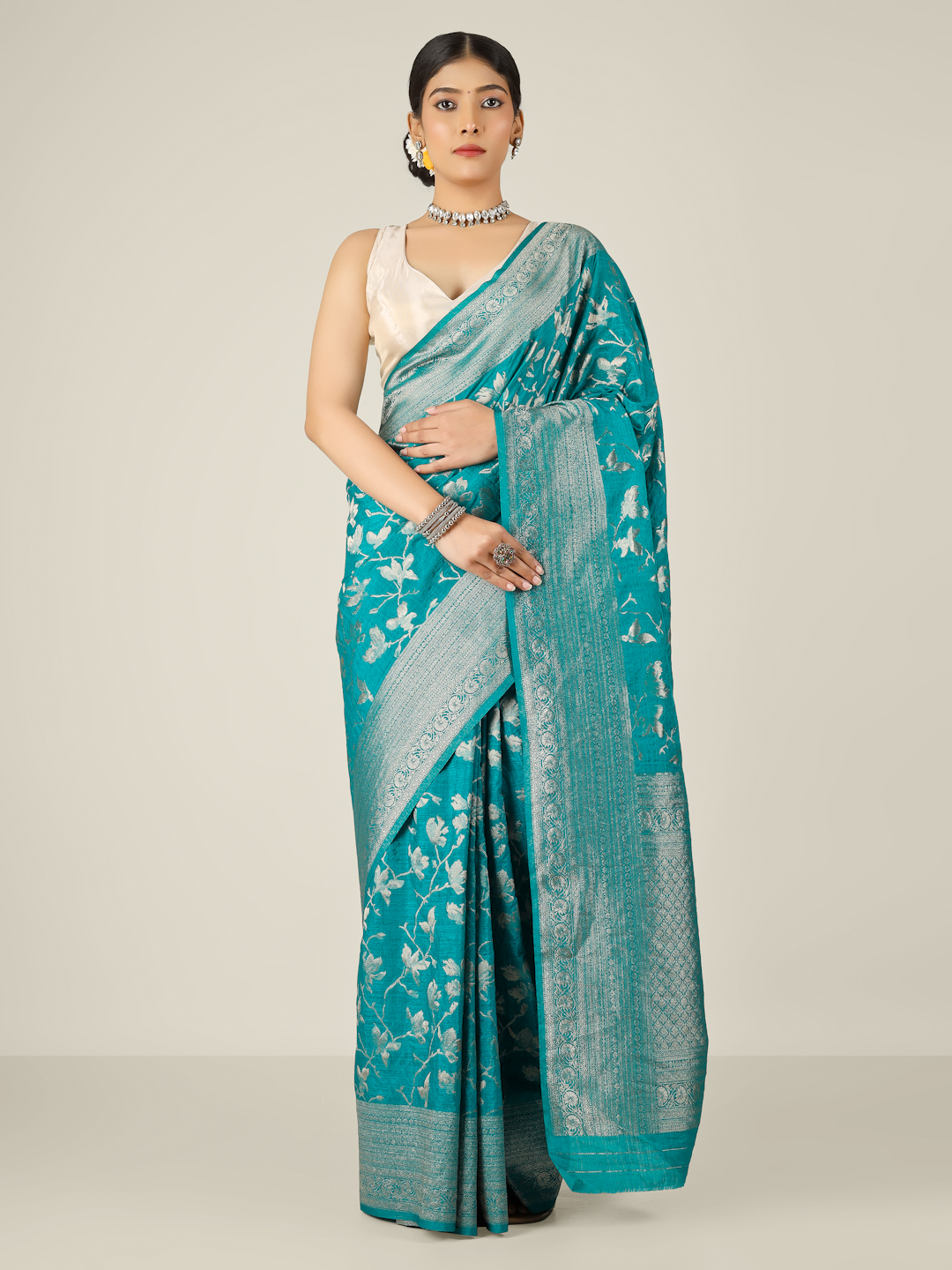
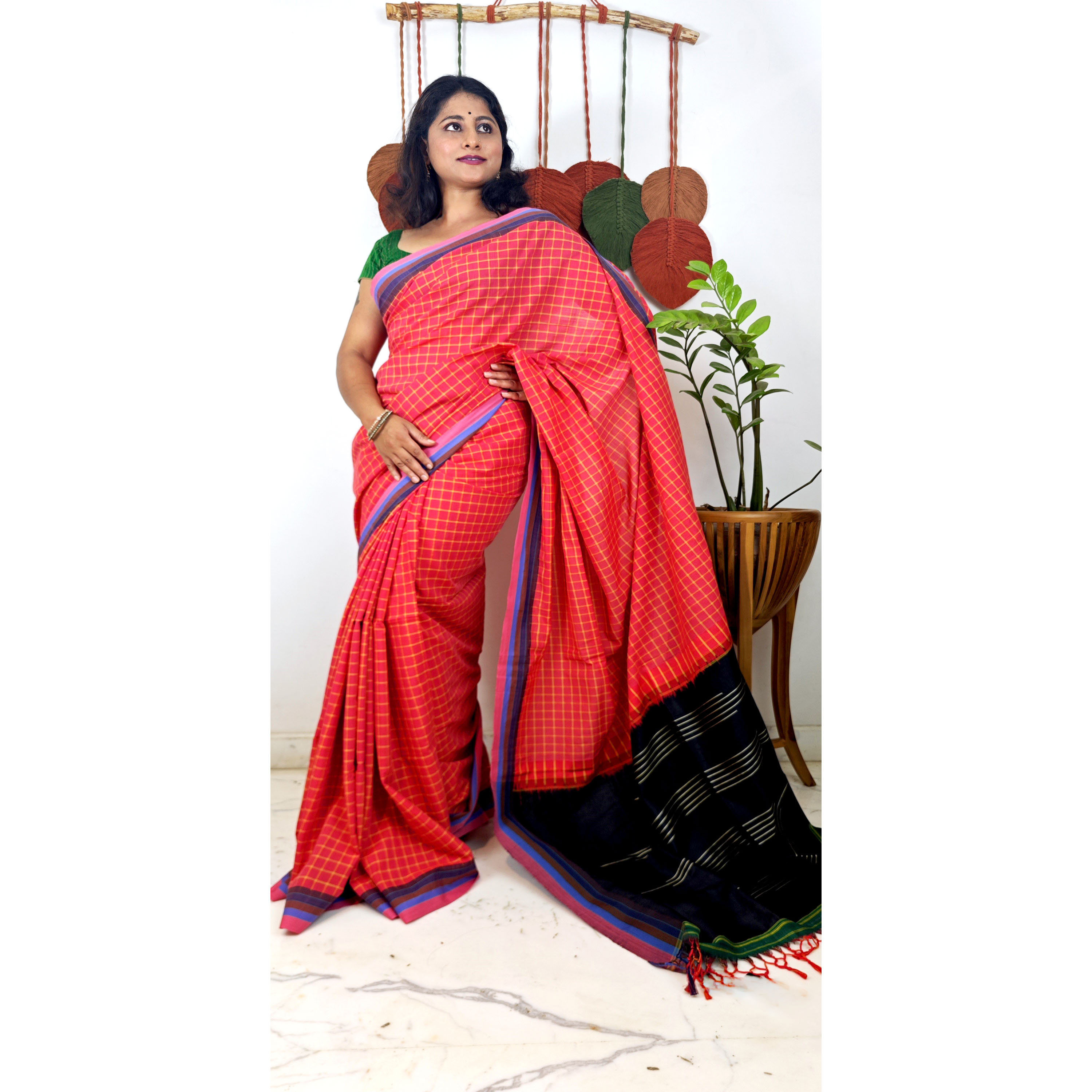
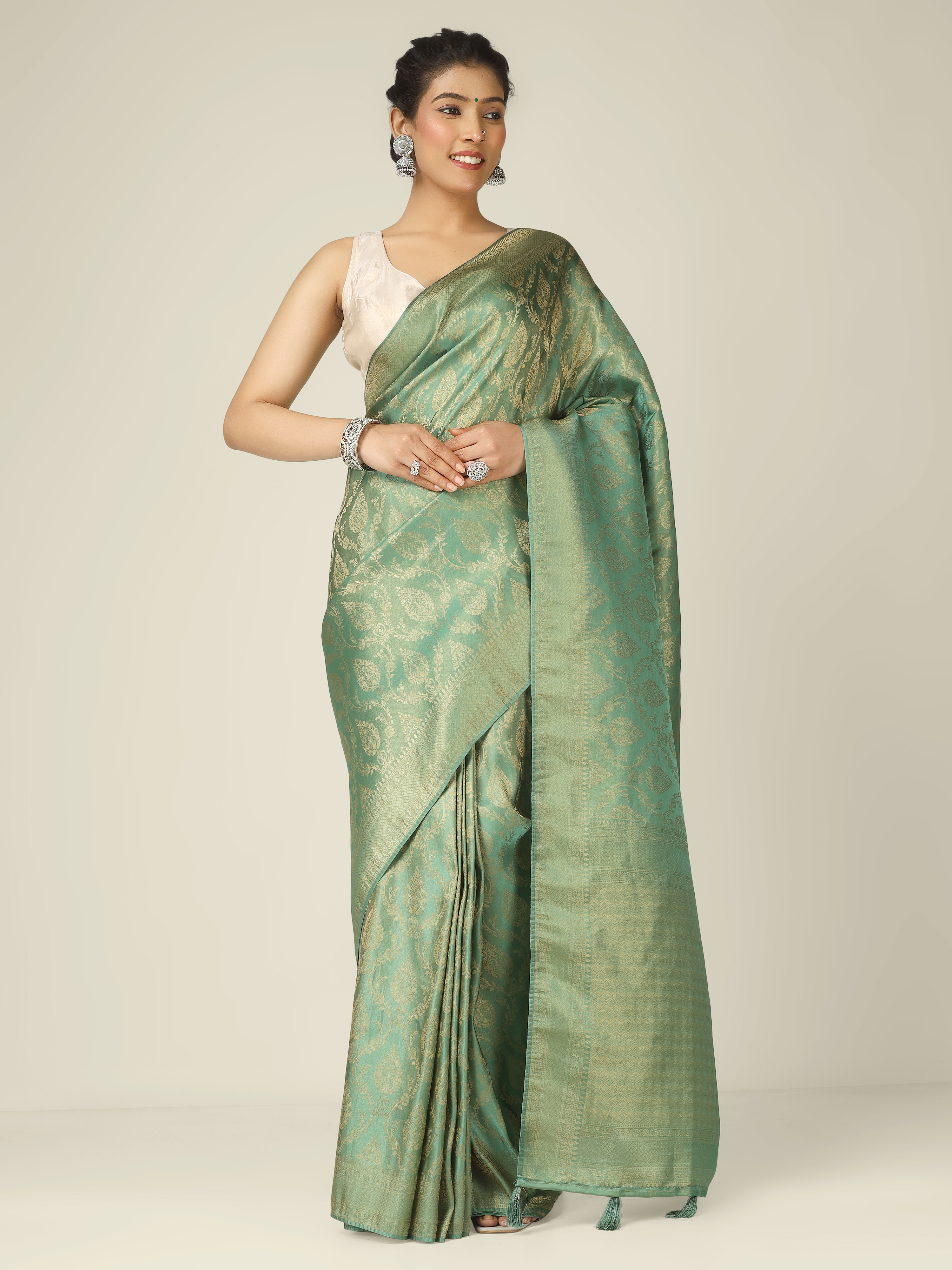
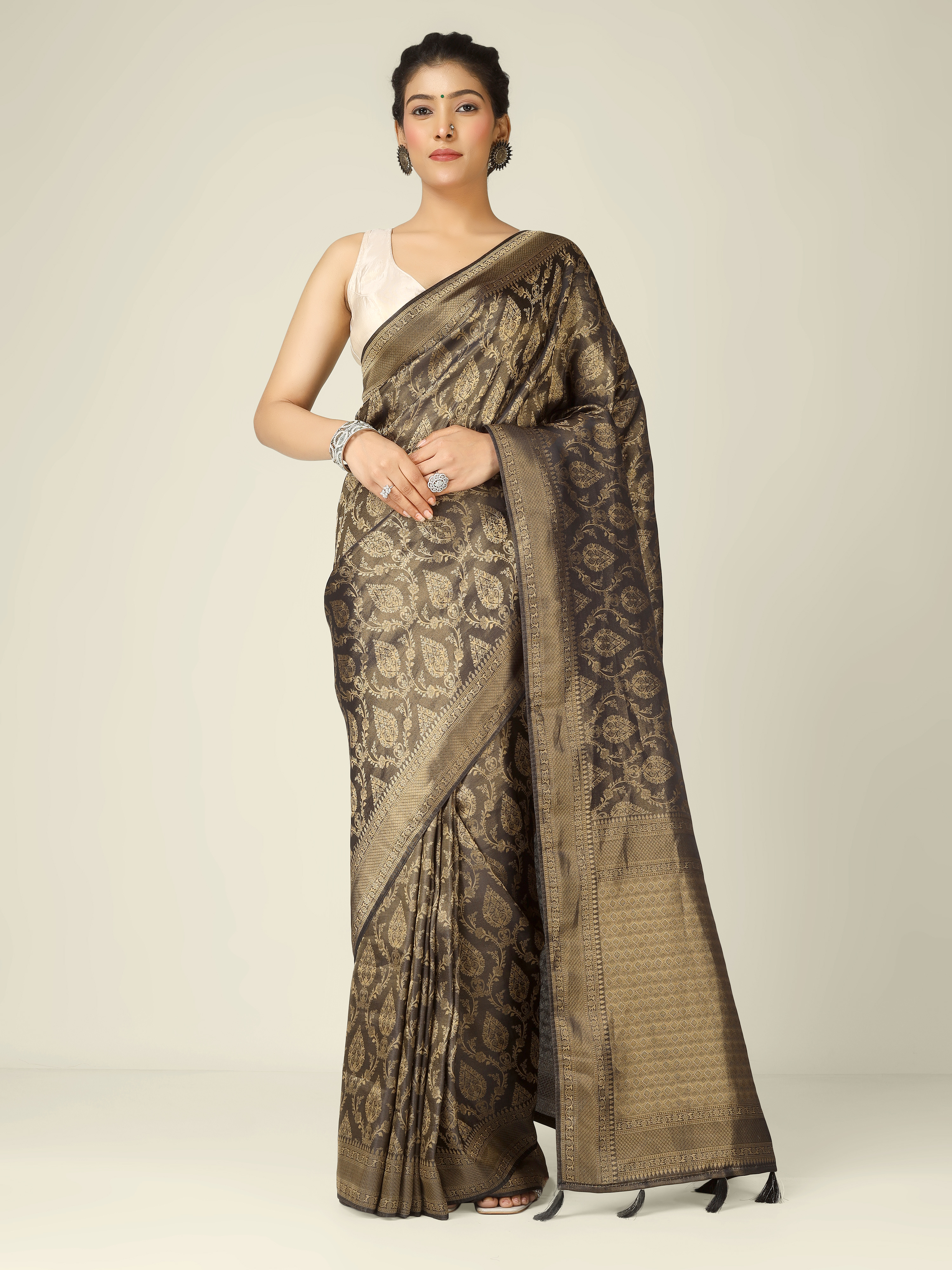
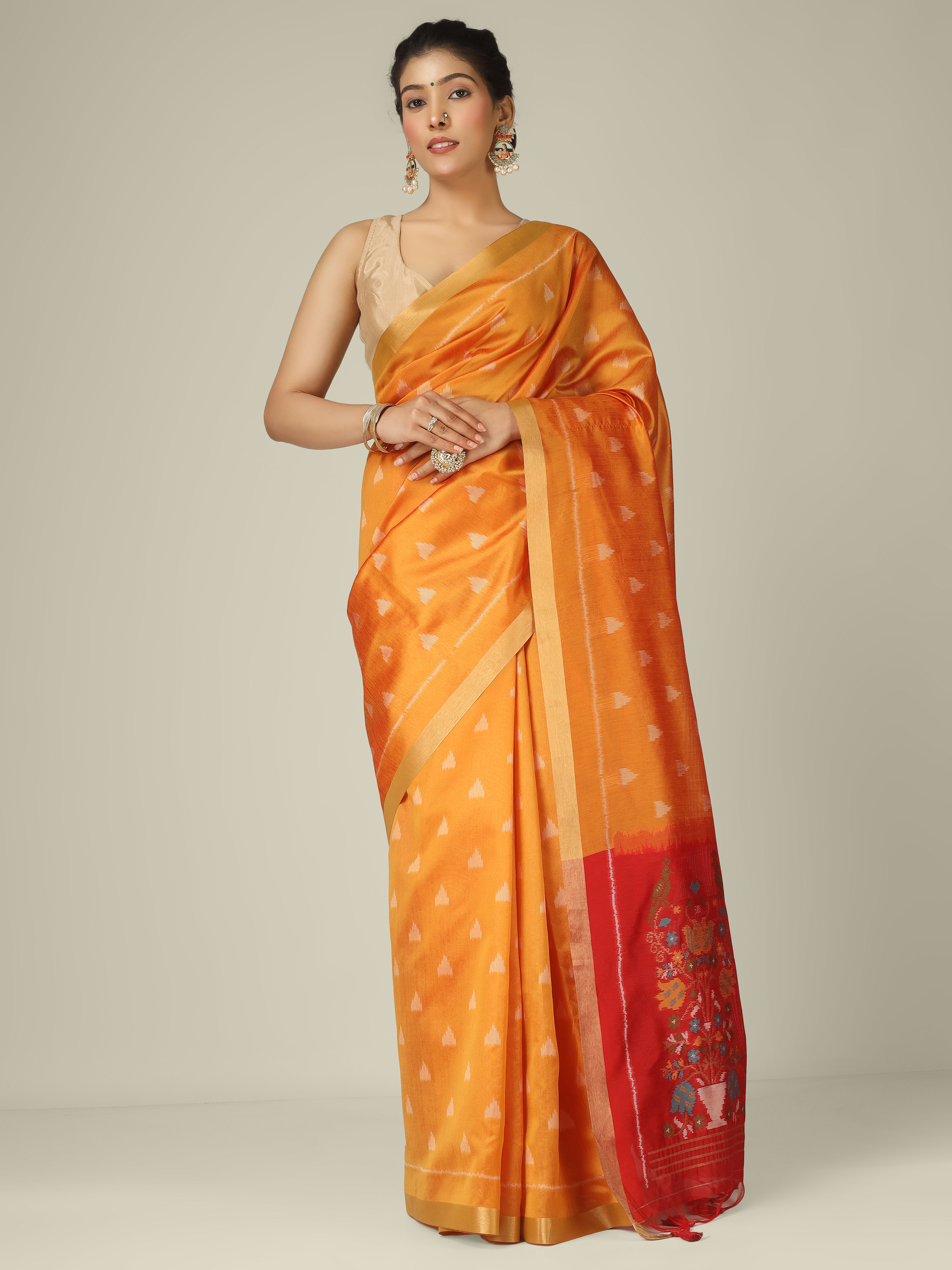
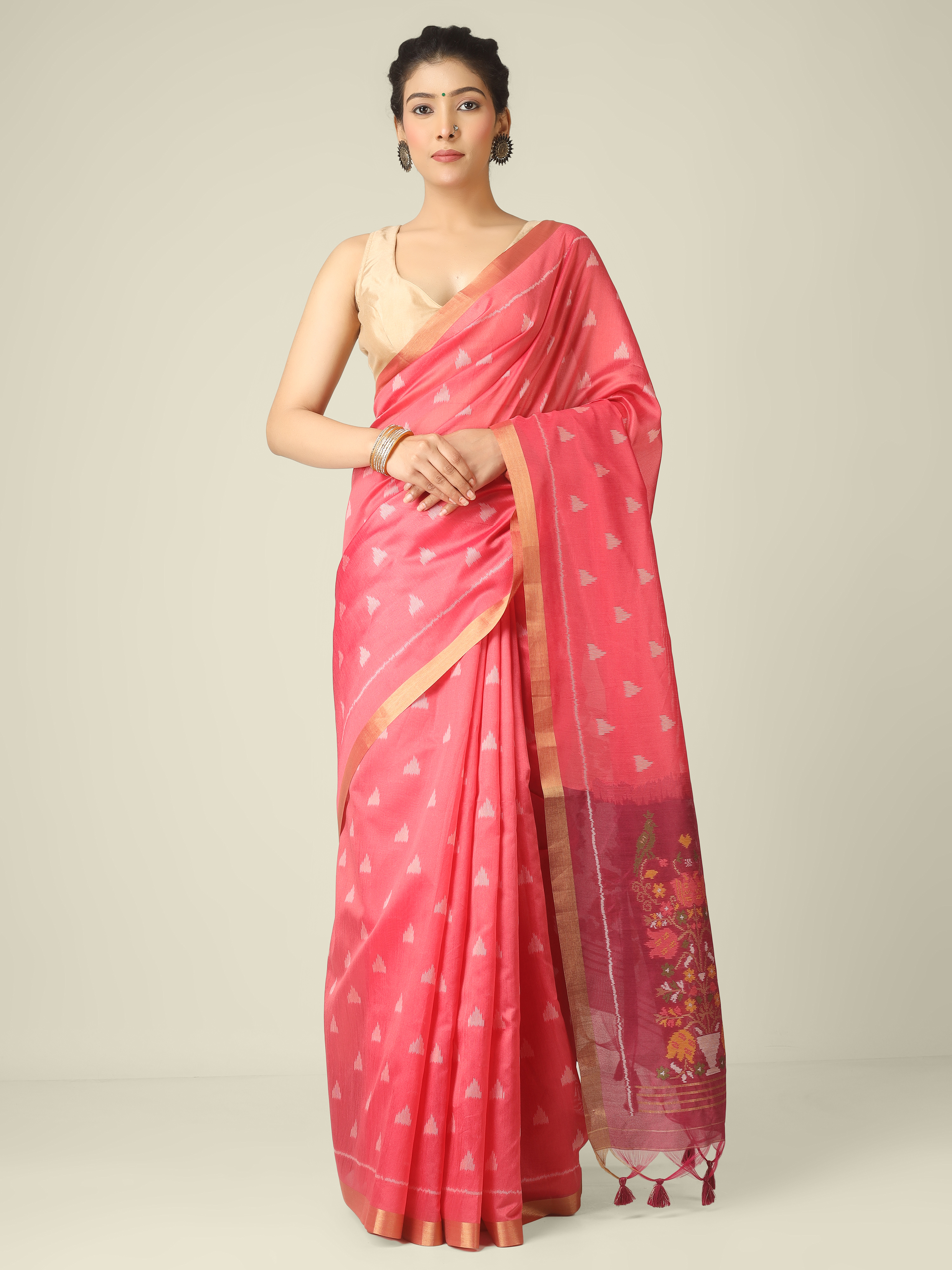
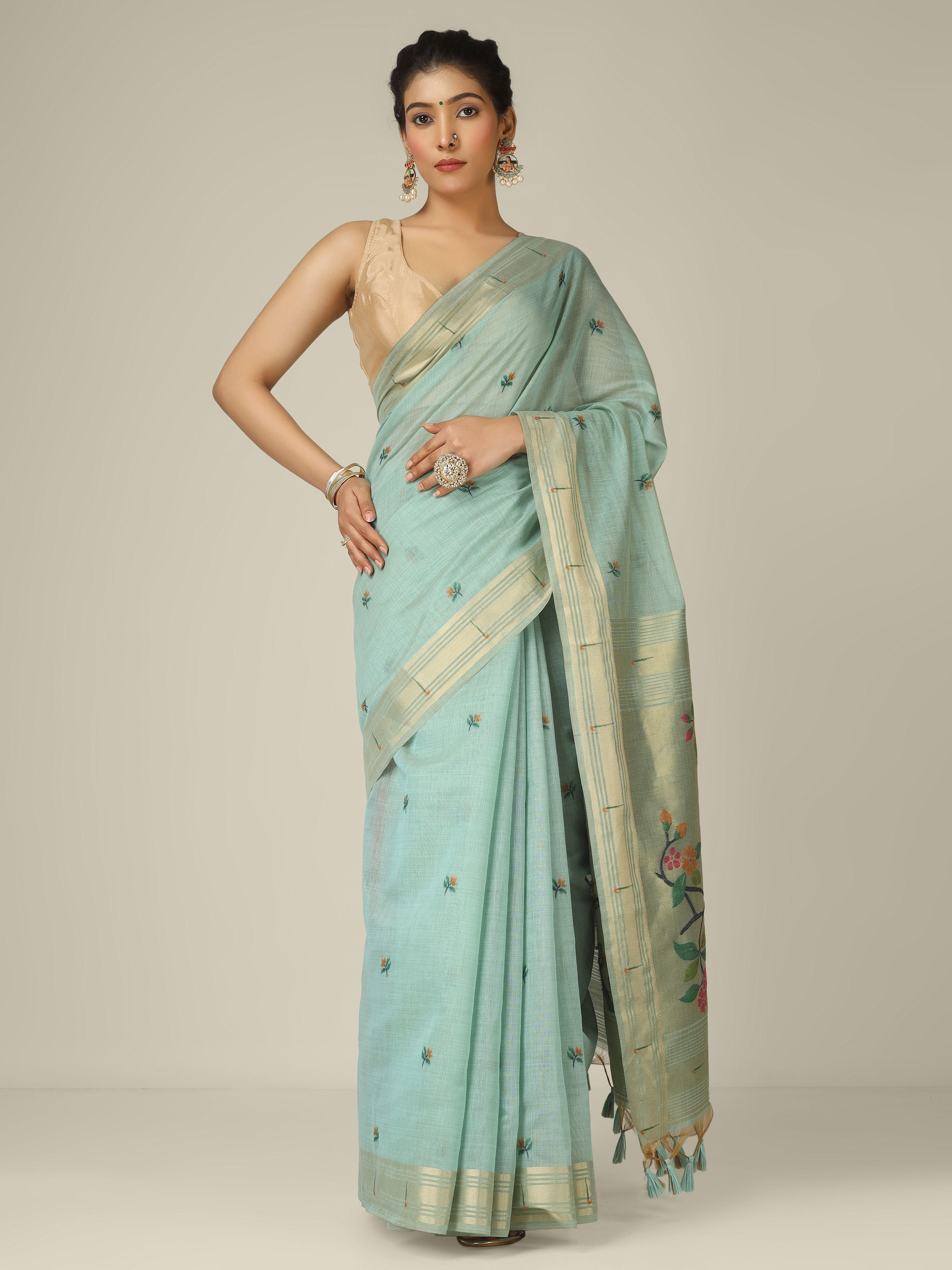
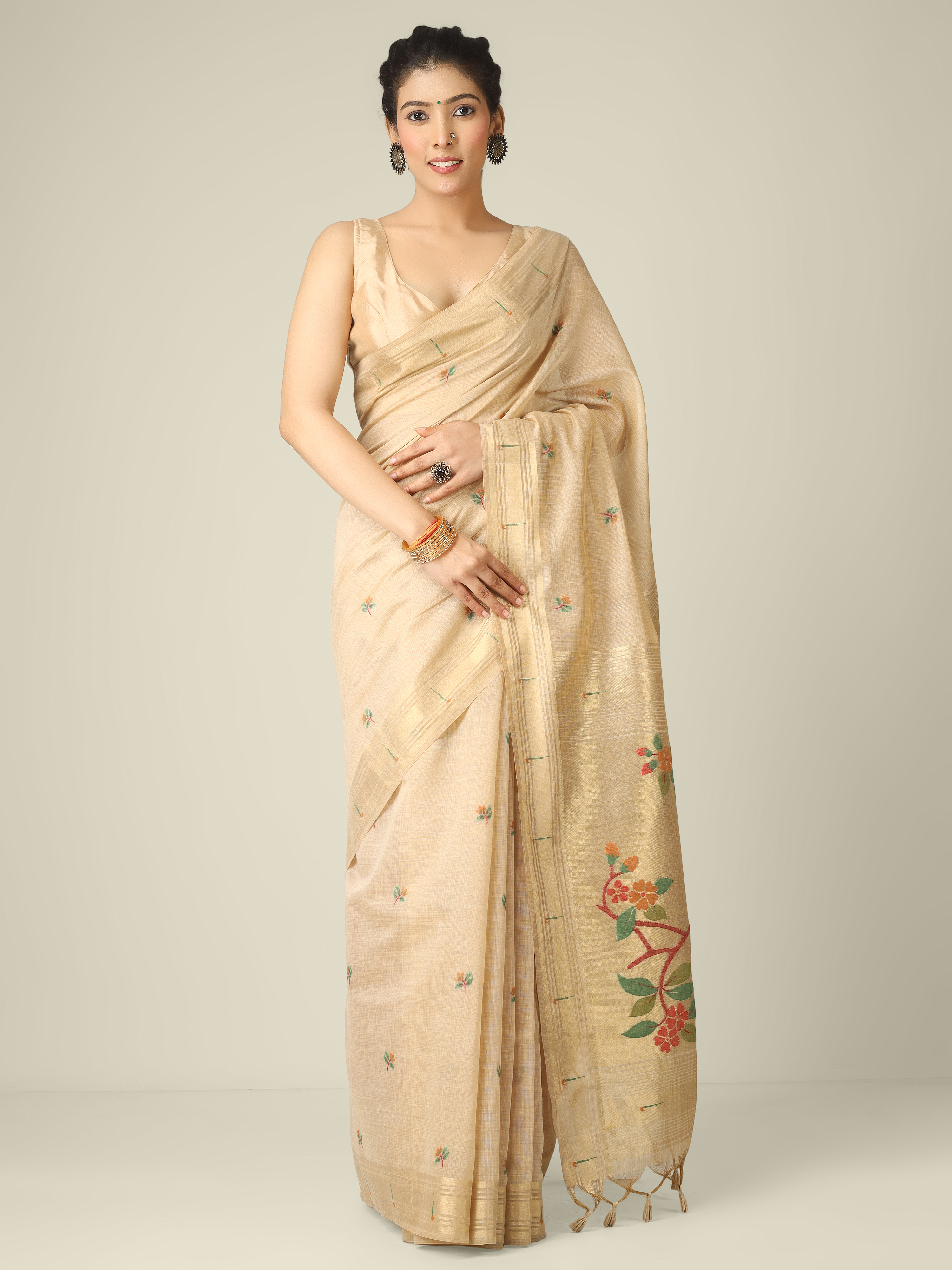
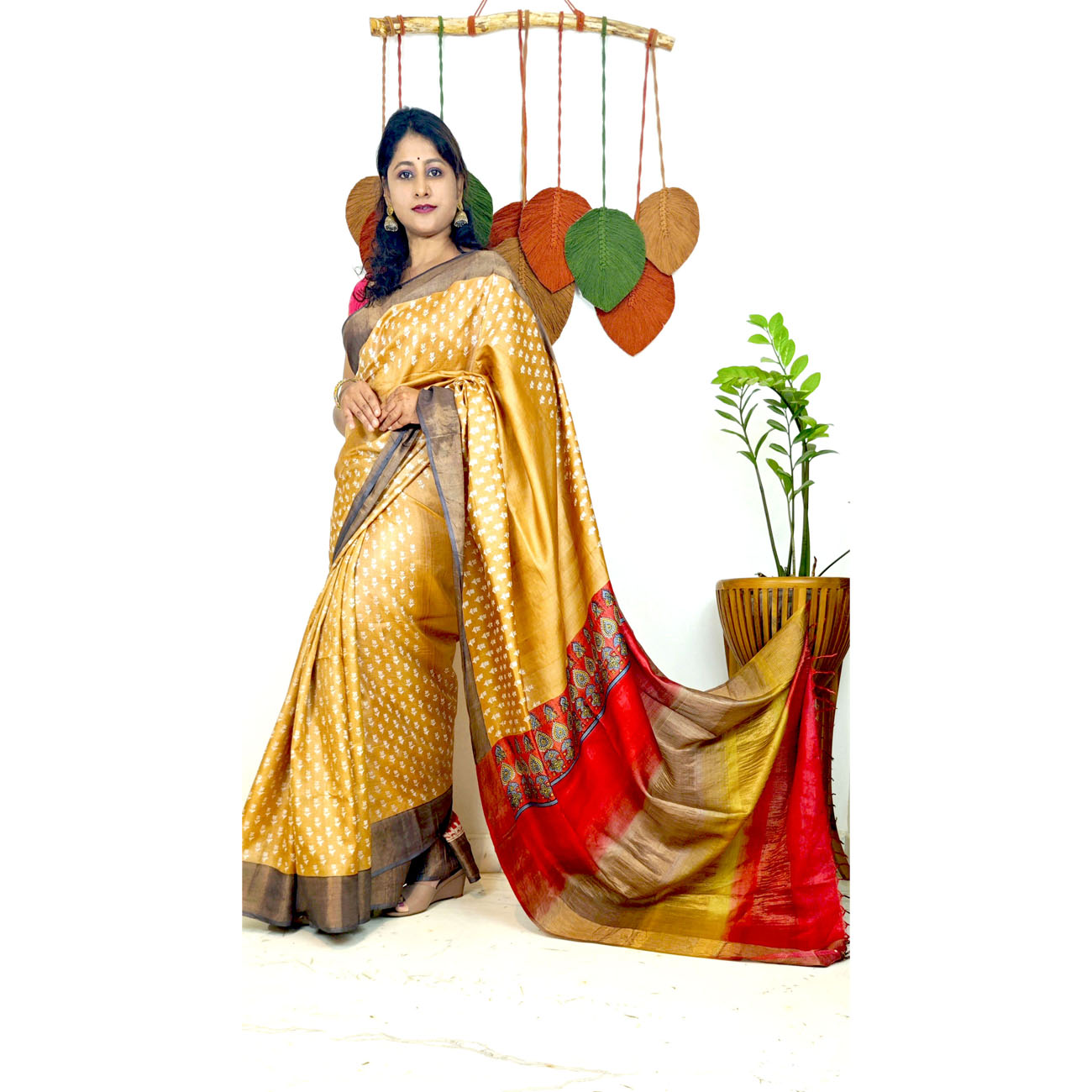
Choosing the Perfect Saree for Festivals
Find festive wear sarees that suit your celebration, your personal style, and the way you want to spend the day. From a quiet family pooja to an evening gathering, build your shortlist around the occasion, fabric details, and a budget that includes the complete outfit. Start with what matters most to you: an understated drape, a statement border, or a look you can wear again.
Start your festive saree shortlist with your occasion, preferred colour, and total budget.
Which festive saree is right for your celebration?
The right festival saree is one that matches the occasion while letting you sit, walk, greet guests, and enjoy yourself comfortably. Choose according to your plans rather than the photograph alone: a morning ceremony, an evening dinner, and a dance-filled celebration call for different priorities. Before deciding, consider how long you will wear it and whether you want a familiar drape or something more elaborate.
Use these starting points to narrow your options:
- For a home pooja: Prioritise manageable pleats, a secure pallu, and a blouse you can comfortably sit in.
- For an evening celebration: Consider a statement border, a detailed pallu, or jewellery that gives a simpler saree a dressier finish.
- For hosting family: Choose a look you can move around in without repeatedly adjusting the drape.
- For a first saree: Put ease of wearing and time for a practice drape ahead of complicated styling.
Your shortlist should reflect your actual day, not an outfit you will spend the celebration managing.
Festival sarees with a place in your wardrobe
Festival sarees are sarees chosen and styled for celebrations, whether that means a treasured traditional weave or a simple design paired with meaningful jewellery. They do not have to follow one colour palette or level of embellishment. The aim is to find something that feels appropriate to your celebration and recognisably yours.
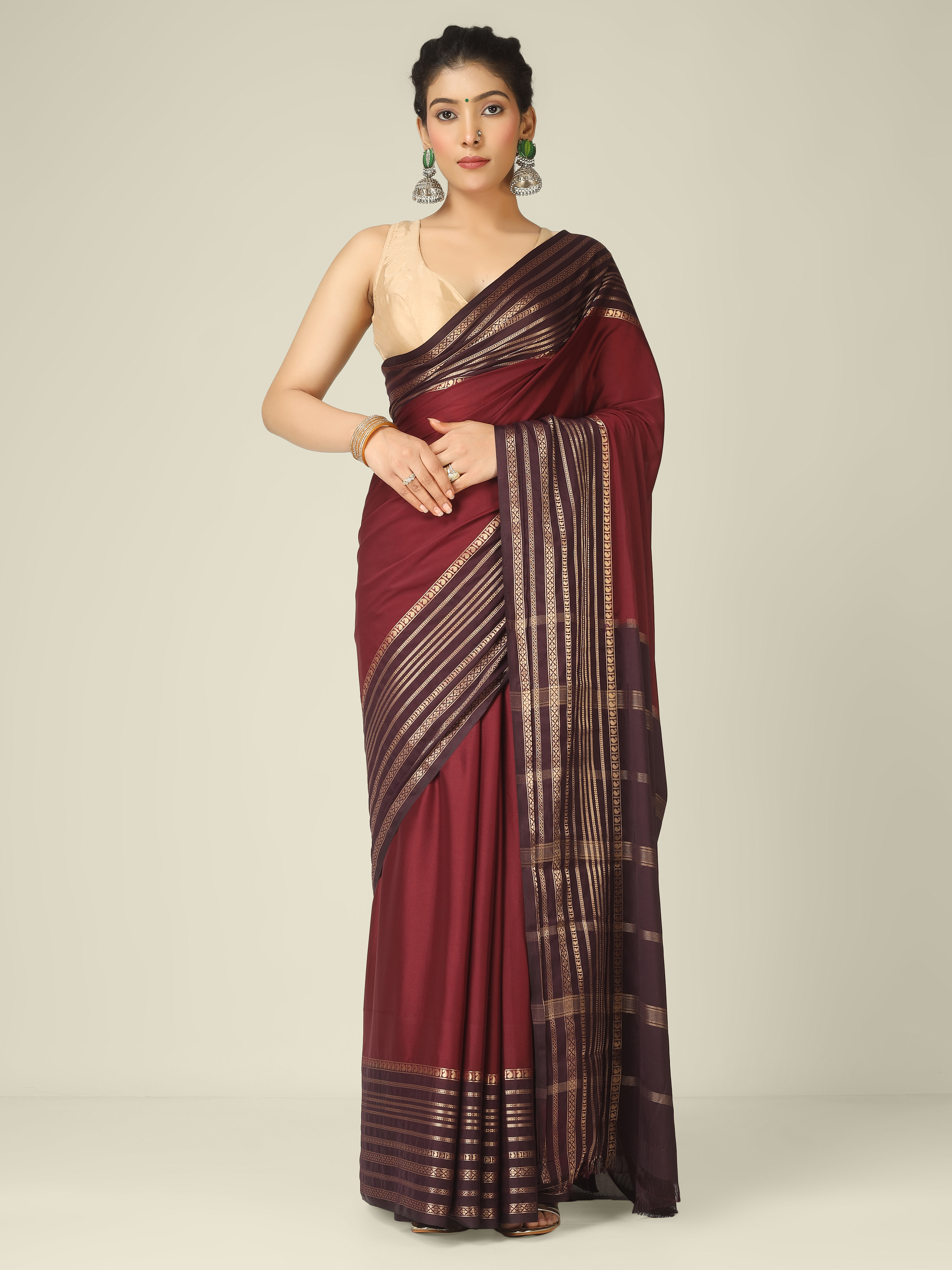
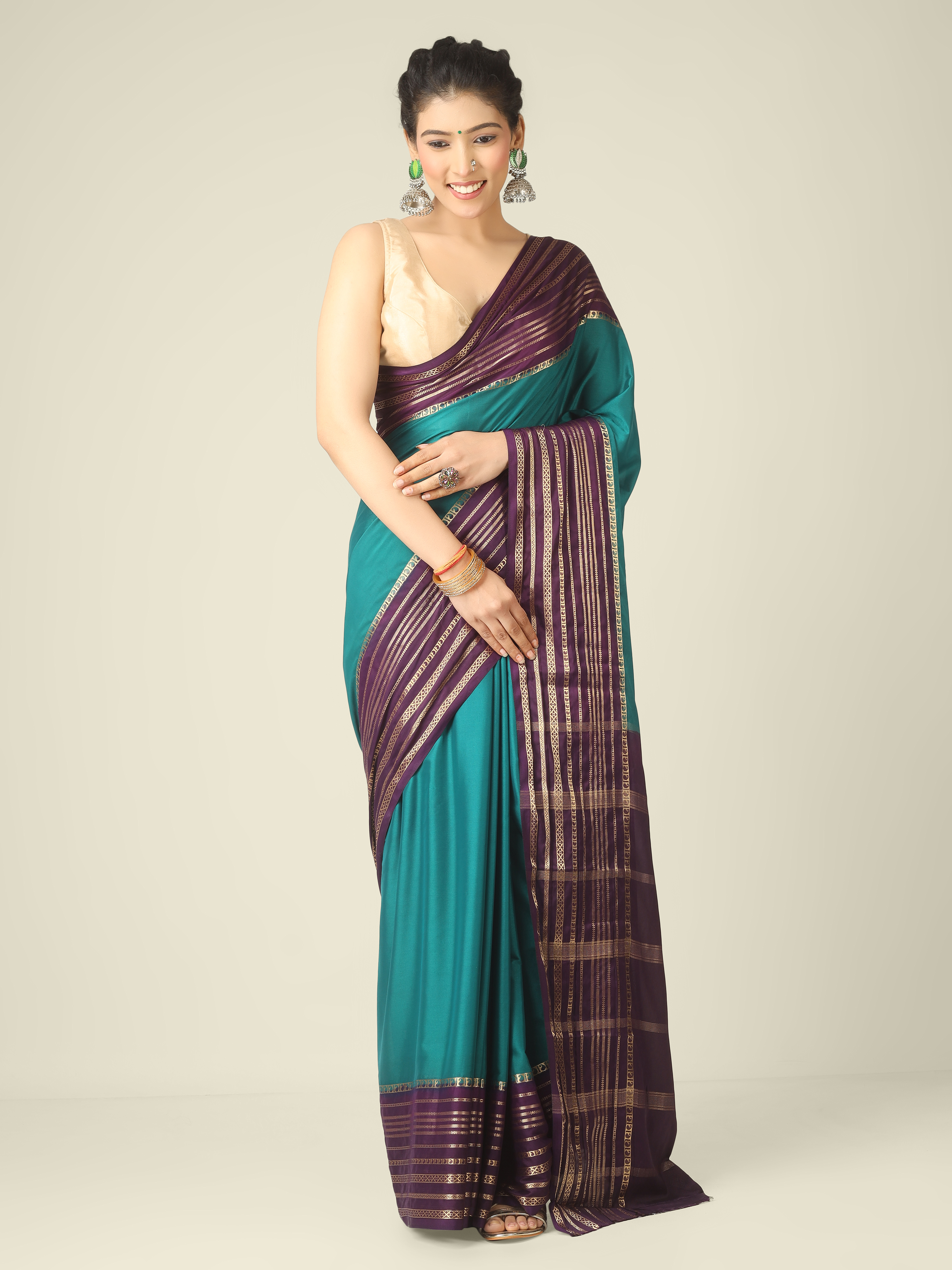
When comparing traditional festive sarees, decide where you want the visual emphasis. You might prefer a plain body with a decorative border, repeated motifs throughout, or a pallu that becomes the centrepiece. Choosing one focal point gives you a clear direction for your blouse and accessories.
Think beyond a single event, too. If you want traditional sarees for festive wear that you will reach for again, picture the same saree at a family lunch, a cultural gathering, or another celebration. A purchase feels more considered when you already know several ways you would enjoy wearing it.
Choose fabric details before choosing the finish
A beautiful colour is a starting point, but ask for the fabric composition and a clear view of the saree before committing. Rather than assuming every piece within a category behaves alike, compare the specific sarees on your shortlist. Request close-ups of the body, border, pallu, and reverse wherever those details matter to your decision.
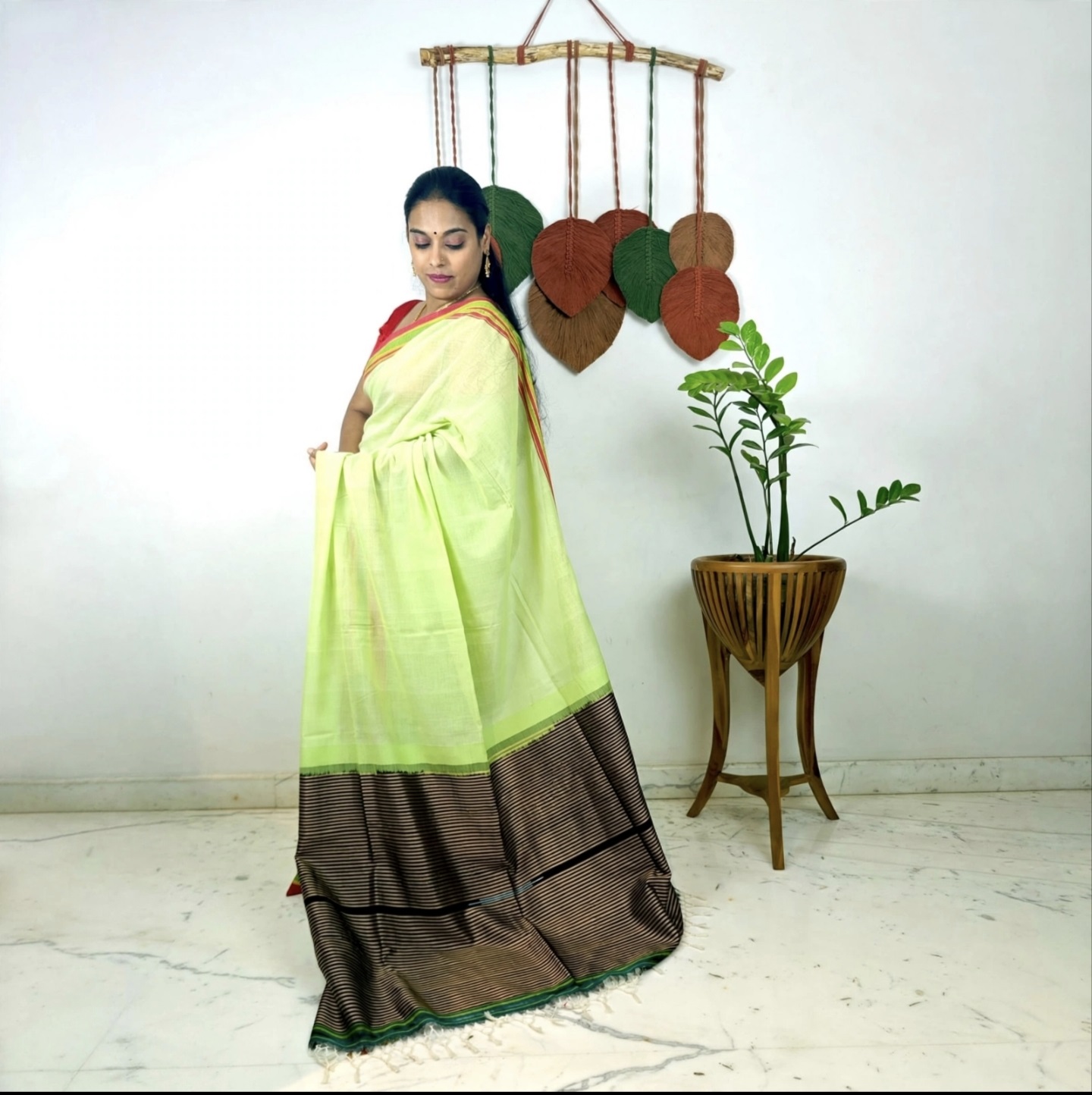
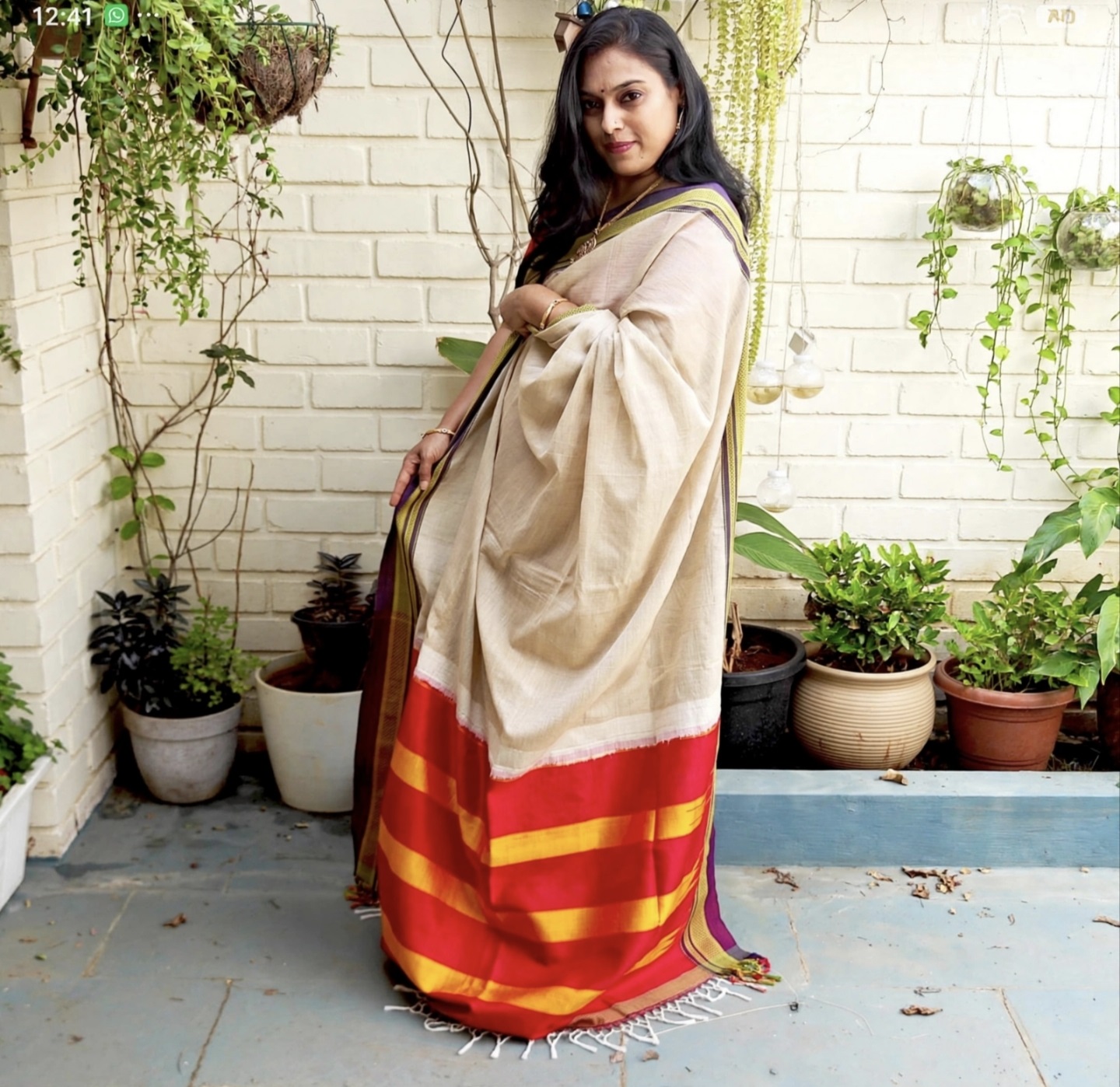
For handloom cotton sarees, decide whether you want a restrained festive look or a stronger contrast border. If your priority is a lightweight festive wear saree, ask about the actual weight and request a draping video instead of relying on the word “lightweight.” Apply the same approach when comparing lightweight cotton silk sarees: establish the composition and assess the individual piece.
Chanderi has an established tradition of fine-textured silk and cotton weaving with zari and woven motifs. When considering chanderi silk sarees for festival dressing, confirm the composition of the particular saree rather than assuming every Chanderi-labelled piece is pure silk.
Make room for a statement weave
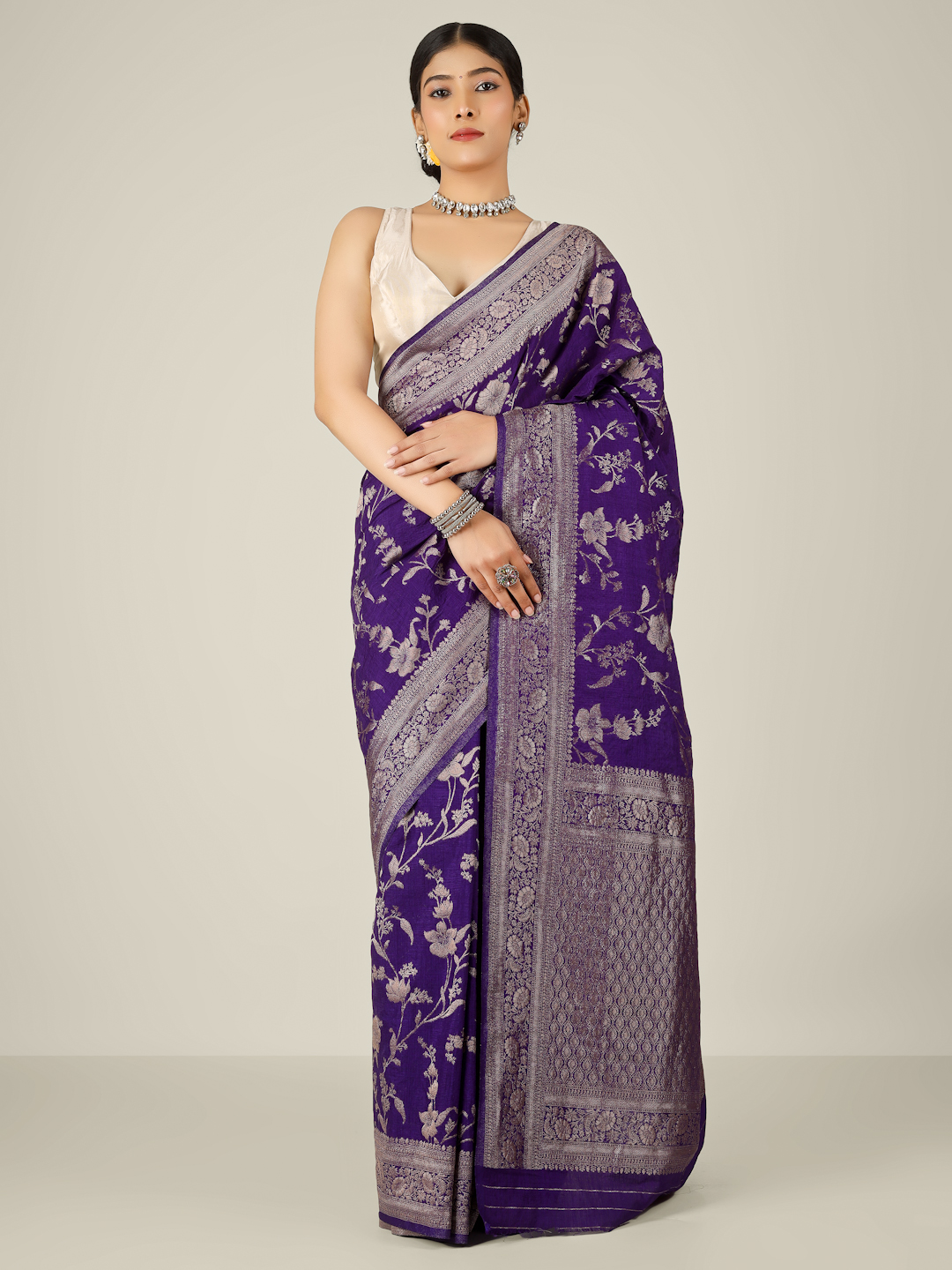
If you want the saree itself to lead the outfit, begin with the weaving or pattern that attracts you. Traditional Banaras brocade sarees are known for finely woven silk and intricate zari designs; that ornamentation can also contribute to their weight. For banarasi festive sarees, balance your preference for elaborate work with how much weight you want to carry through the event.
A bandhani saree for festival dressing offers a different starting point. Bandhani is a tie-and-dye craft, so choose it because you enjoy its pattern language rather than treating it as interchangeable with a woven brocade. Compare the colours, pattern placement, and fabric details of the individual saree before deciding.
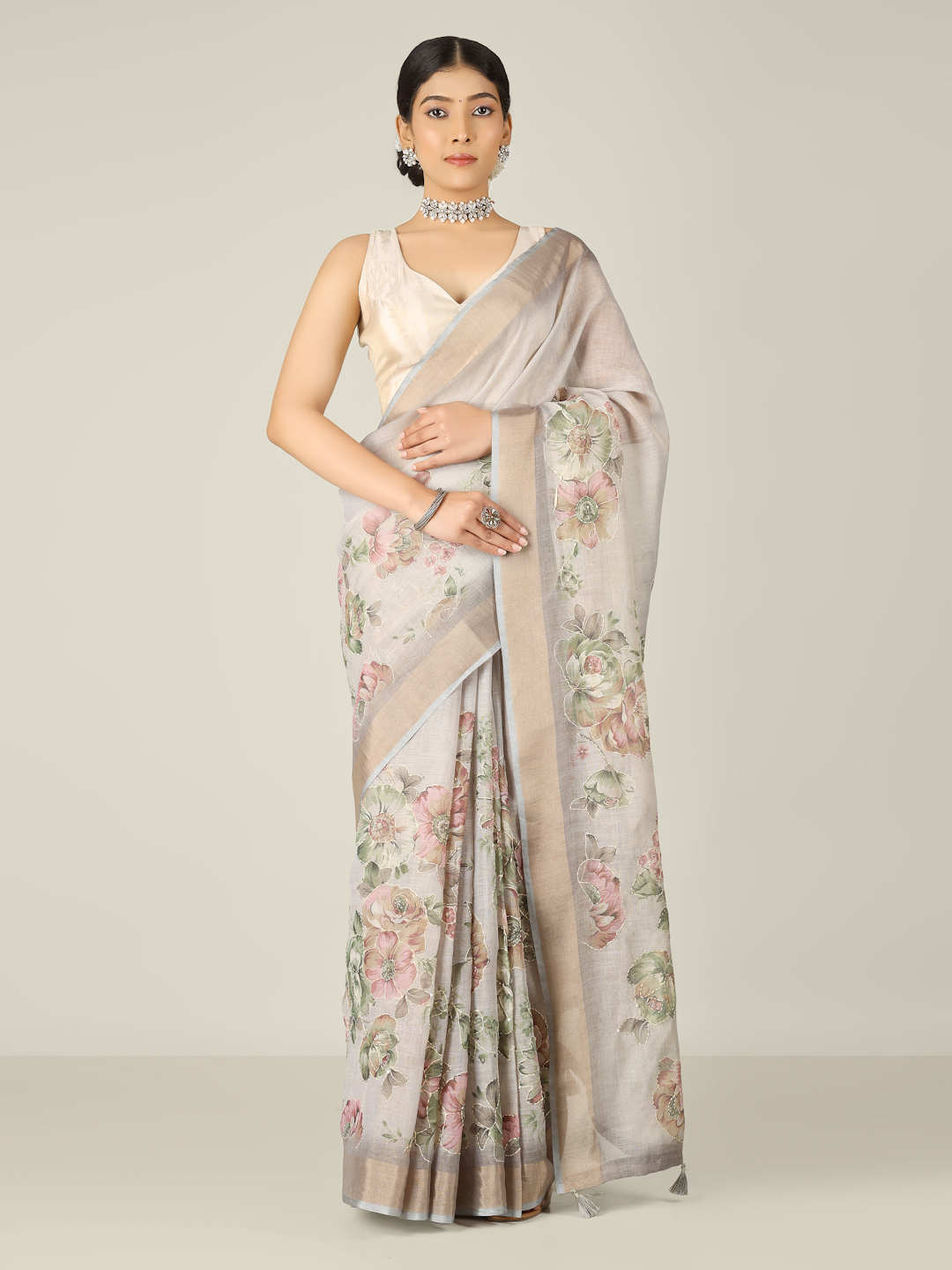
If organza festive sarees or designer sarees catch your eye, request an unfiltered draping video and inspect the details that matter to you. Look at how the pallu sits, how the border appears when pleated, and whether you like the complete silhouette. Let the actual garment, not the category name, earn its place on your shortlist.
Match your saree to the celebration
Build your festive wardrobe around plans already on your calendar. This makes it easier to decide whether you need one versatile saree or separate looks with different priorities. There is no need to make every occasion equally elaborate.
- Diwali gatherings: When browsing a diwali sarees collection, picture your full evening, including travel, hosting, dinner, and photographs. Choose the level of detail you will enjoy throughout it.
- Navratri celebrations: For sarees for navratri, make movement part of the selection process. Try walking, turning, and lifting your arms in your planned drape before the event.
- Pooja at home: Shortlist pooja sarees for women around your family's customs and your comfort. Practise sitting in the outfit, especially if the ceremony involves floor seating.
- Family functions: A saree for family function dressing should suit your role. Helping with arrangements may call for a different styling plan than attending as a guest.
For example, if you are hosting a morning ceremony and attending dinner later, consider whether changing jewellery and your pallu styling would give one saree two looks. Plan the transition before buying a second outfit.
Keep the styling personal and practical
A simple saree for women who prefer understated dressing can still feel celebratory. Choose one element to emphasise: a contrast blouse, earrings you love, or a distinctive border. You do not need every part of the outfit to compete for attention.
When selecting earrings for saree styling, try them with the blouse neckline and your planned hairstyle. Check whether you enjoy wearing them for more than a few minutes, rather than choosing only for photographs. If the earrings are your statement piece, decide whether a necklace adds anything to the look.
Make the same practical checks with footwear and your petticoat. Walk in the complete outfit, check the hem, and sit down before considering the styling finished. Keep essential adjustments for the trial drape rather than the hour before you leave.
For anyone searching for a saree for girls farewell, this approach offers a useful starting point: choose a look that feels special without making your first priority constant adjustment. Confidence should have room in the outfit, too.
Consider a ready-to-wear option with clear measurements
A ready to wear festive saree is worth considering if you prefer a pre-arranged drape to making pleats yourself. Before choosing one, establish exactly what the seller means by ready to wear. Ask which parts are stitched, which measurements are required, and what you will still need to arrange separately.
Use this checklist before confirming:
- Fit: Check the stated waist range, fastening, and any adjustment allowance.
- Length: Confirm the finished length against your height and planned footwear.
- Inclusions: Establish whether the blouse, petticoat, or other components are included.
- Alterations: Ask what changes are possible and whether they affect eligibility for returns.
- Timing: Leave room for a complete try-on before your celebration.
If you prefer an unstitched saree, give yourself the same preparation time. A practice drape lets you work out pleats, blouse fit, and pallu placement without the pressure of getting ready for an event. Choose the format that suits your routine, not one that simply sounds easier.
Set a budget for the complete outfit
If you are searching for festive sarees under 2000, treat ₹2,000 as a filter to verify against the current product price, not a promise about availability. Decide whether that amount covers the saree alone or the entire look. Then account for anything you still need, including blouse stitching, finishing, accessories, and delivery.
A focused budget can make decisions simpler. You might prioritise a colour you love and wear jewellery you already own, or choose a saree that works with an existing blouse. Avoid stretching the budget for details that do not matter to you in person.
Be equally clear about material claims. Silk Mark labels are intended for 100% pure silk products, so do not treat a silk-cotton blend as equivalent to a pure silk saree. If pure silk is important to your purchase, ask about the composition and applicable assurance rather than relying on a descriptive name alone.
Set your outfit budget first, then compare sarees within it.
Choose gifting sarees around the recipient
Ethnic gifting sarees feel more personal when they reflect the recipient's habits rather than your own wish list. Think about the colours they wear, the occasions they dress for, and whether they enjoy elaborate borders or quieter designs. If possible, discreetly establish their fabric preferences before choosing.
When considering a tussar silk saree for gifting, ask for the exact composition, care instructions, and clear images of the piece. Include those details with the gift so the recipient does not have to guess. Avoid assuming a particular fabric or weave will suit everyone simply because it is being presented as festive.
Before ordering, confirm:
- Whether a blouse piece is included and whether it is attached or separate.
- Whether any finishing or customisation is optional.
- The delivery estimate for the recipient's address.
- The applicable exchange or return conditions, particularly after alterations.
If you are uncertain about their preferences, prioritise an exchange option where available over a more elaborate presentation. The most thoughtful choice is one they can enjoy wearing on their own terms.
Build a festive look you will wear again
You do not have to choose between a celebration purchase and an everyday wardrobe. If repeat wear matters to you, consider how you would restyle the saree after the festival. Picture a less elaborate blouse, fewer accessories, or a different pallu arrangement before deciding that it belongs only to special occasions.
Apply the same thinking if you usually shop for daily wear sarees. Start with the colours and styling habits you already enjoy, then add one festive element rather than adopting a completely unfamiliar look. A daily use saree may also be worth considering for a low-key gathering if it fits the occasion and feels right to you.
Let saree trends be a source of ideas, not a requirement. Save the combinations you genuinely like, then assess them against your comfort, budget, and existing wardrobe. Your most useful festive purchase is the one you can imagine choosing again without needing a new reason.
Take the next step towards your festive look
Bring your shortlist down to two or three sarees, then compare them against the same essentials: occasion, composition, drape, complete outfit cost, and preparation time. Request missing product details before making your decision. If the celebration has a fixed date, confirm delivery expectations and leave time for finishing and a trial wear.
You do not need the most elaborate saree to create a memorable outfit. You need a piece you enjoy, styling that feels like you, and enough preparation to arrive ready for the celebration.
Choose your occasion, shortlist your favourites, and confirm the details before you order.
Frequently Asked Questions
Q1: What are the best fabrics for festival sarees?
A: The best fabrics for festive wear sarees depend on the event. Handloom cotton sarees and lightweight cotton silk sarees are ideal for daytime poojas, while Banarasi silk, Chanderi, and Organza sarees suit evening Diwali celebrations.
Q2: Which sarees are popular for ethnic gifting during festivals?
A: Lightweight Chanderi, soft tussar silk sarees for gifting, and budget-friendly festive sarees under 2000 are the top choices for family and corporate ethnic gifting.
Q3: How do I style a simple saree for a family function?
A: Pair a simple saree for women with contrast blouses, statement earrings for saree draping, and traditional footwear to instantly elevate a daily or casual drape into festive wear.
Explore Top Festival & Ethnic Gifting Sarees Collections
- Traditional Banarasi & Chanderi Silk Sarees for Diwali & Navratri
- Handloom Cotton & Lightweight Silk Sarees for Pooja Ceremonies
- Elegant Organza, Bandhani & Tissue Sarees for Family Functions
- Budget-Friendly Ethnic Gifting Sarees & Festival Wear Under 2000
Looking for Bulk Ethnic Gifting or Customized Festive Packaging?
Get customized name printing, artisan curation, volume discount tiers for corporate & family gifting, and express delivery across India for Diwali, Navratri, poojas, & festive celebrations.
[ Request Corporate & Festive Gifting Quote ]
More Handcrafted Collections
(Looking for More Handcrafted & Seasonal Ideas? Explore Our Top Collections Below)
- Decor & Home Accent Collections:Home Decor | Winter Home Decor | New Year Party Decor & Lighting | Home Decor Lights | Handcrafted Wall Art | Living Room Showpieces | Decorative Mirrors | Art and Collectibles
- Festive & Seasonal Gift Collections:Diwali Gifts | Housewarming Gifts | Winter Housewarming Gifts | Wedding Return Gifts | Birthday Return Gifts
- Corporate & Office Gifting Collections:Corporate Gifts | Corporate New Year Gifts & Hampers
- Personal & Budget Gifting Collections:Handmade Gifts | Anniversary Gifts for Couple | Ceramic Coffee Mugs | Gifts Under 300 | Gifts for Women | Gift For Every Mom
- Jewellery & Fashion Accessories:Festive Jewellery | Oxidized & Silver-Plated Ethnic Jewellery | Handmade Tote Bags | Festive Keychains & Accessories
- Kids & Play Collections:Kids Toys | Handcrafted Wooden Toys