





Baby Teethers and Teething Toys
Find baby teethers and teething toys for babies with a focus on gentle comfort, clear material information, and everyday care. Whether you are considering a wooden teether for baby, a silicone teether for baby, or an organic baby teether, start with the product’s age guidance and verified safety details. For parents, grandparents, and gift buyers in India shopping for babies aged 3 to 12 months, the aim is simple: choose thoughtfully, without relying on reassuring labels alone.
Explore the options below, compare the details, and choose for your baby’s current stage.
Which teether suits your baby’s age and everyday needs?
The right teether is one labelled for your baby’s age, with a suitable design, clear care instructions, and documented safety information. For babies aged 3 to 6 months, check the individual product’s minimum age rather than assuming every small ring is suitable. BIS guidance includes specific safety requirements for teethers intended for young children, making product-level checks more useful than appearance alone.
Start with your routine. You might want a straightforward design for supervised time at home, a clearly labelled option for grandparents to use, or a gift that comes with instructions the family can easily follow. These practical differences help narrow the choice before colour or packaging does.
When searching for the best teether for a 3 to 6 months baby, make a shortlist around these details:
- Age suitability: Read the stated age range and any developmental guidance.
- Construction: Request information about the complete toy, not only its main material.
- Care: Choose instructions you can realistically follow after use.
- Traceability: Keep the packaging, manufacturer details, and product identification.
Compare age guidance first, then explore materials and shapes.
Comfort-focused benefits, with safety behind every choice
A clean, suitable teether can offer something to chew on when gums feel tender. Gentle gum massage with a clean finger is another recognised comfort measure; neither approach promises to eliminate every unsettled moment. Always supervise teether use.
Use the following benefit checklist to separate useful features from attractive promises:
- Non-toxic safety information: Look for evidence supporting a non toxic baby teether claim. A guarantee should explain what was assessed and identify the product it covers.
- Neem wood transparency: If antibacterial neem wood advantages are advertised, ask for evidence relevant to the finished teether. Do not use that wording as a reason to skip cleaning.
- Clearly defined dual use: For nibbler or pacifier functions, check exactly which uses the manufacturer permits. A familiar shape is not enough.
- Grip and sensory features: Compare the handle, surface, and overall shape with the product’s age guidance. Treat developmental promises as claims to verify, not guaranteed outcomes.
- Practical hygiene: Prioritise clear washing, drying, and inspection instructions over accessories you may not need.
BPA-free, food-grade, natural, and handmade descriptions can help you identify questions to ask. They should support a purchase decision, not replace information about the finished product’s safety. BIS certification considers applicable toy safety requirements, rather than a single marketing description.
Silicone teethers with clear material information
If you prefer a food grade silicone teether, look for a listing that identifies the material and explains its intended use. Ask whether the supporting documentation covers the exact model, including coloured parts and any additional components. Keep that information alongside the care instructions so everyone helping with your baby has the same reference.
A soft teether for babies may sound appealing, but softness should not be your only selection criterion. Compare the complete design and stated age suitability, and ask the seller to explain any unclear feature before ordering. For India-facing purchases, request applicable toy safety and BIS information rather than accepting a material description as the whole answer.
For a bpa free teether, ask for the claim to be supported in writing. If a listing also says “medical-grade,” request the specification or evidence behind that wording; do not assume it establishes the safety of every part.
Choose silicone teethers for their documented suitability and practical fit with your routine. If the product information leaves essential questions unanswered, keep looking rather than filling the gaps yourself.
Wooden and crochet options, chosen thoughtfully
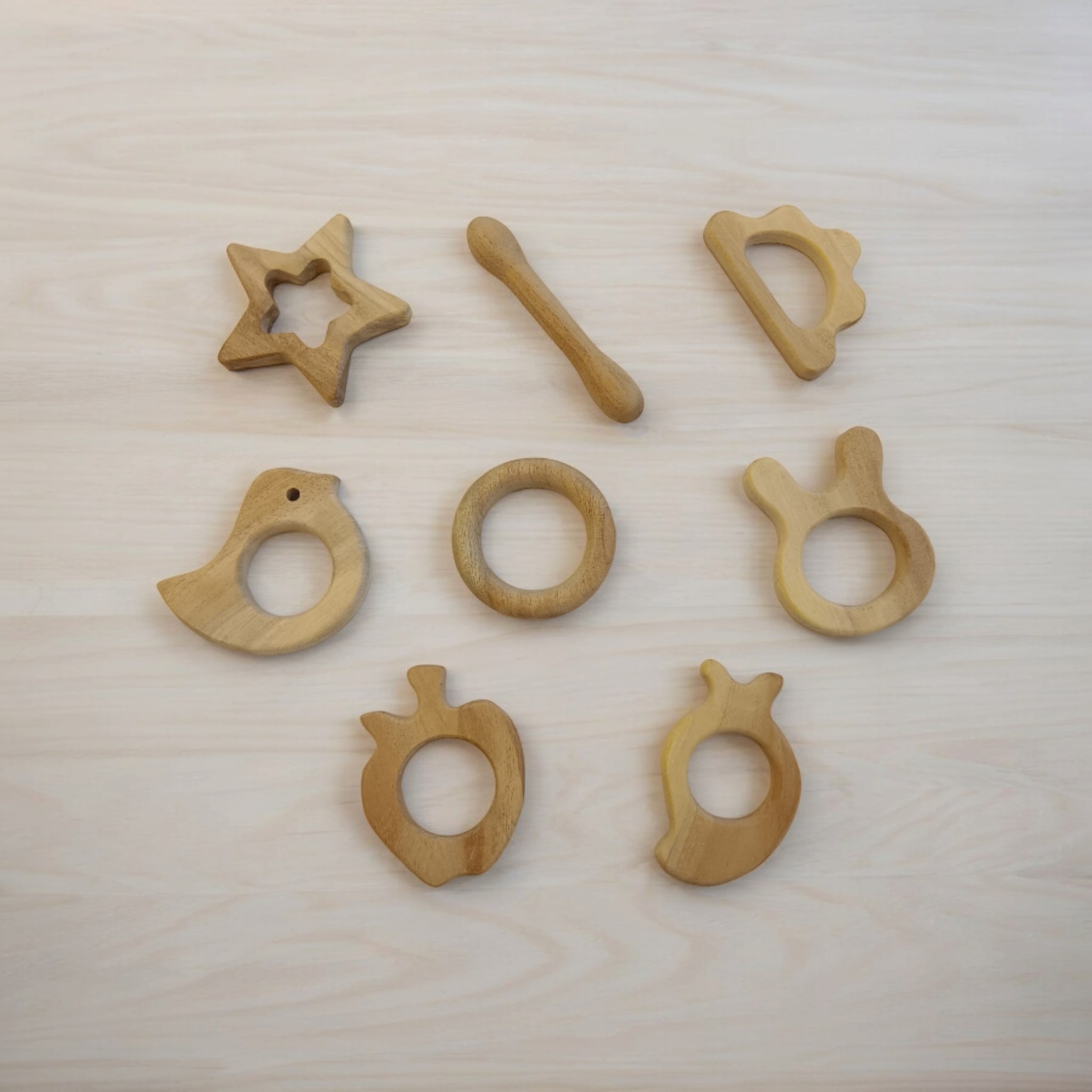
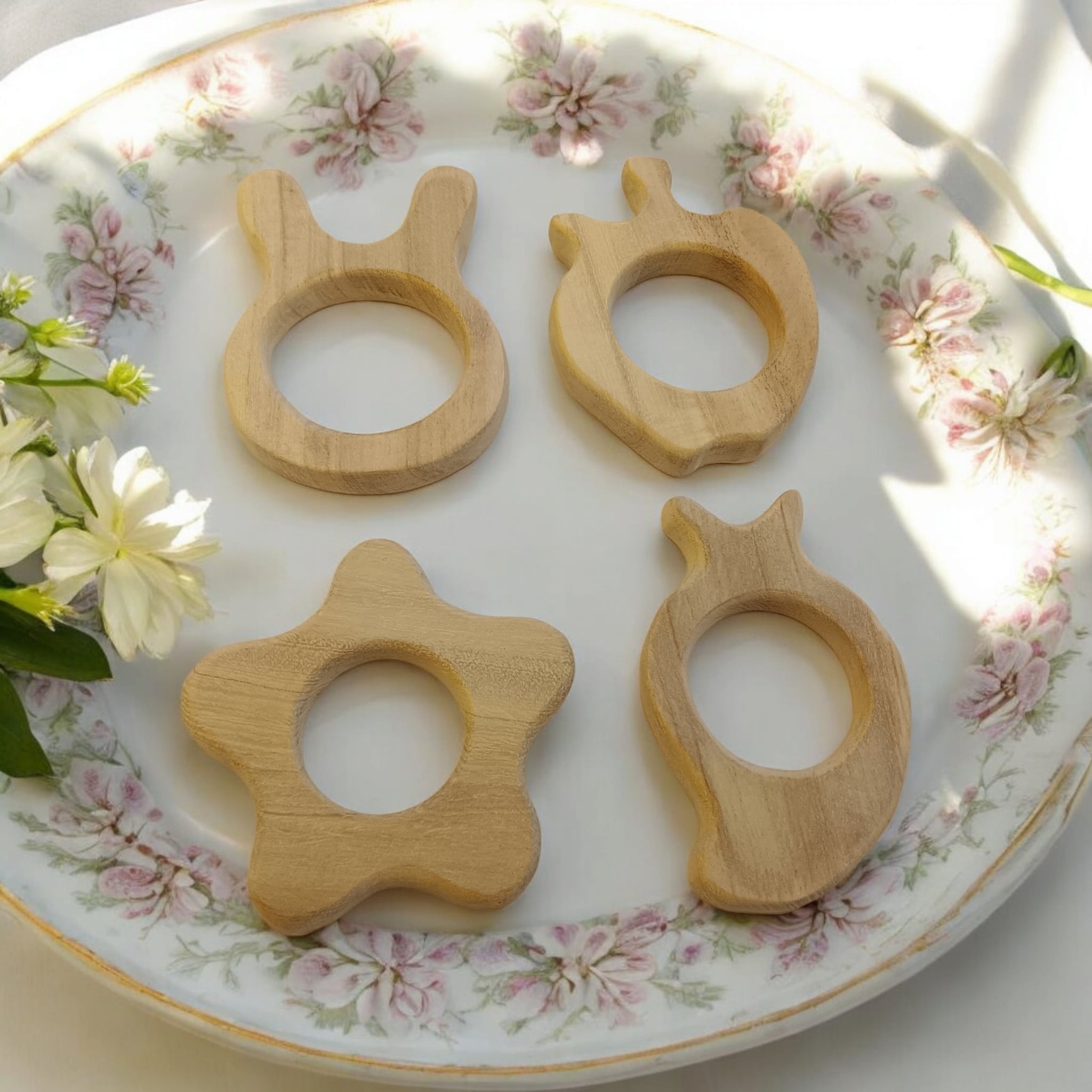
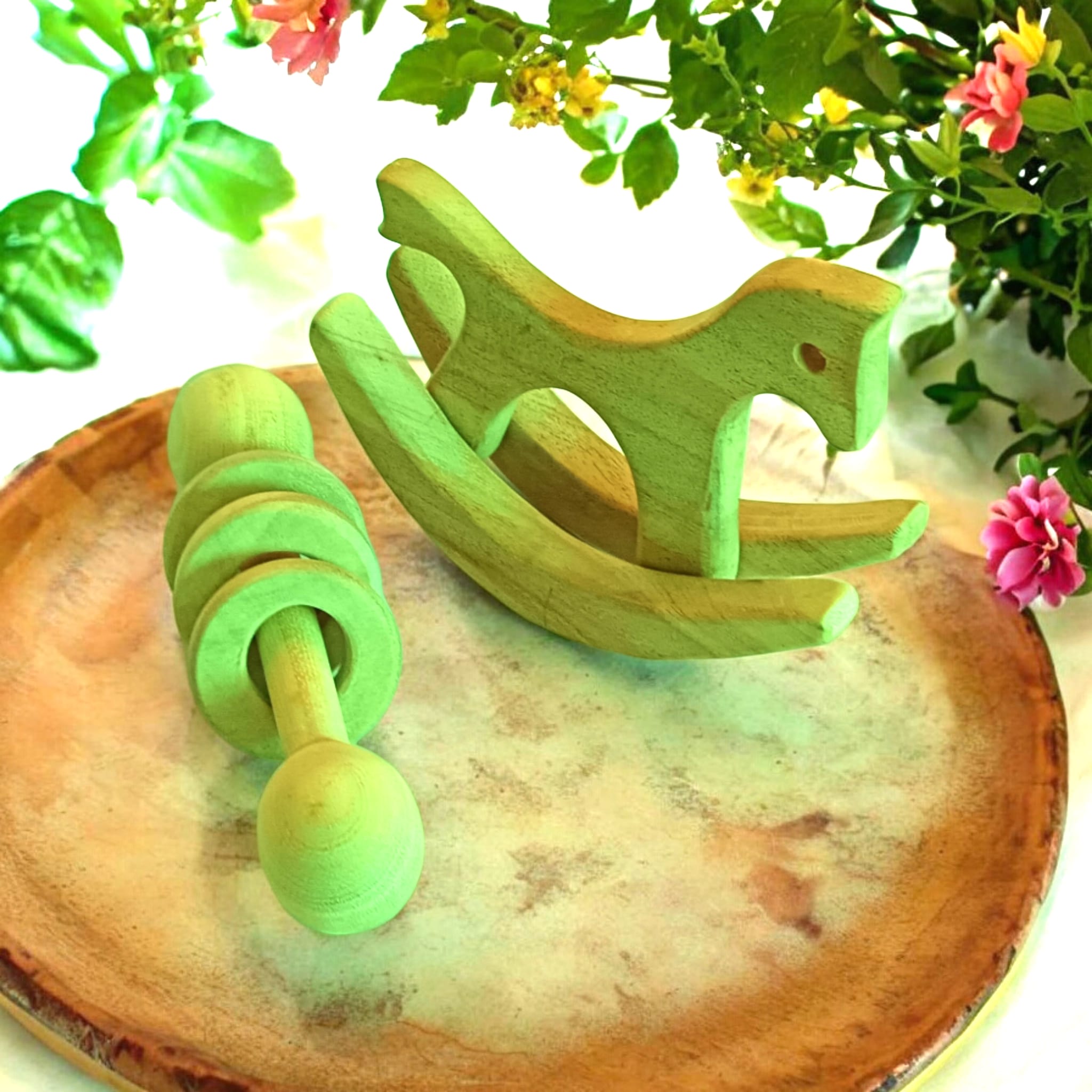
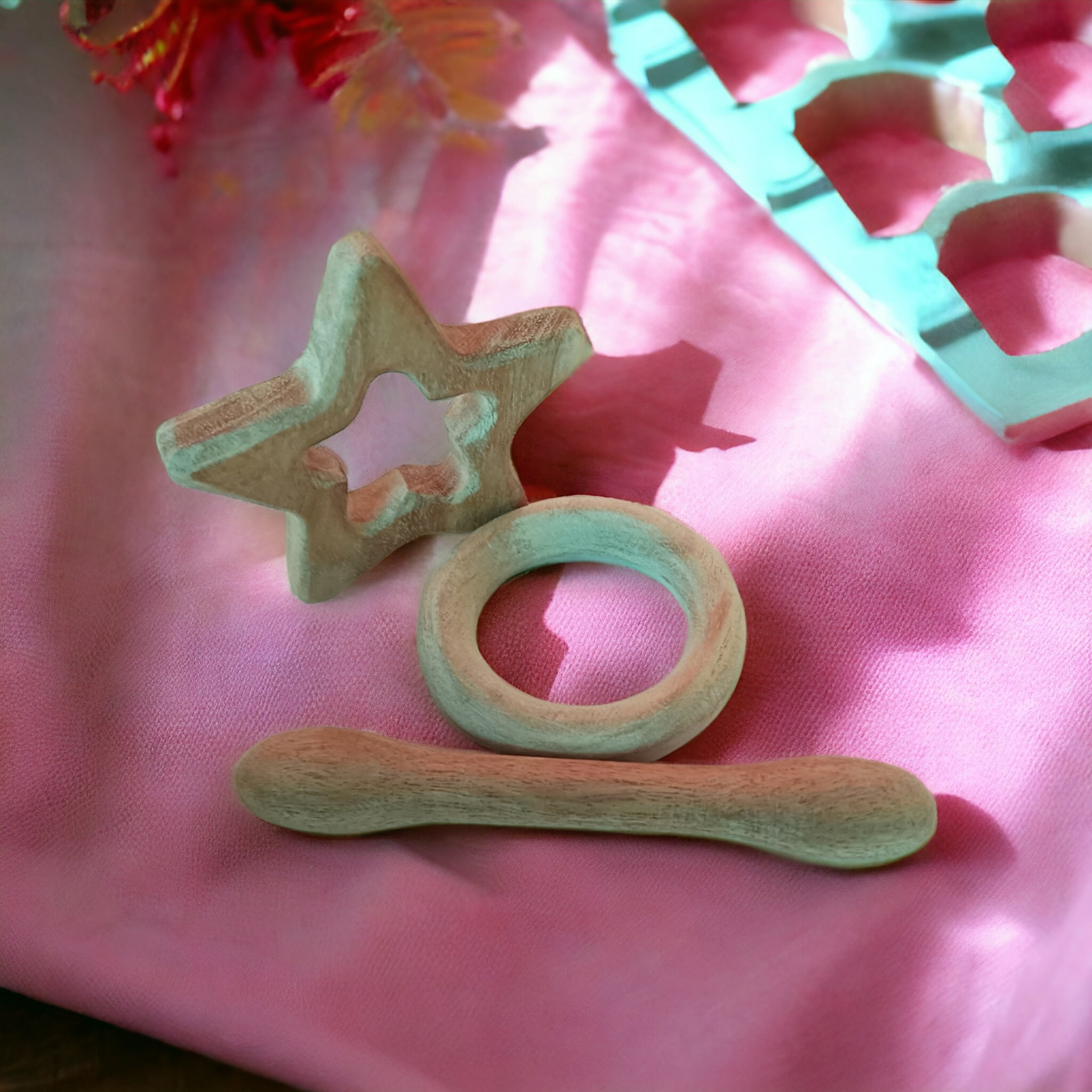
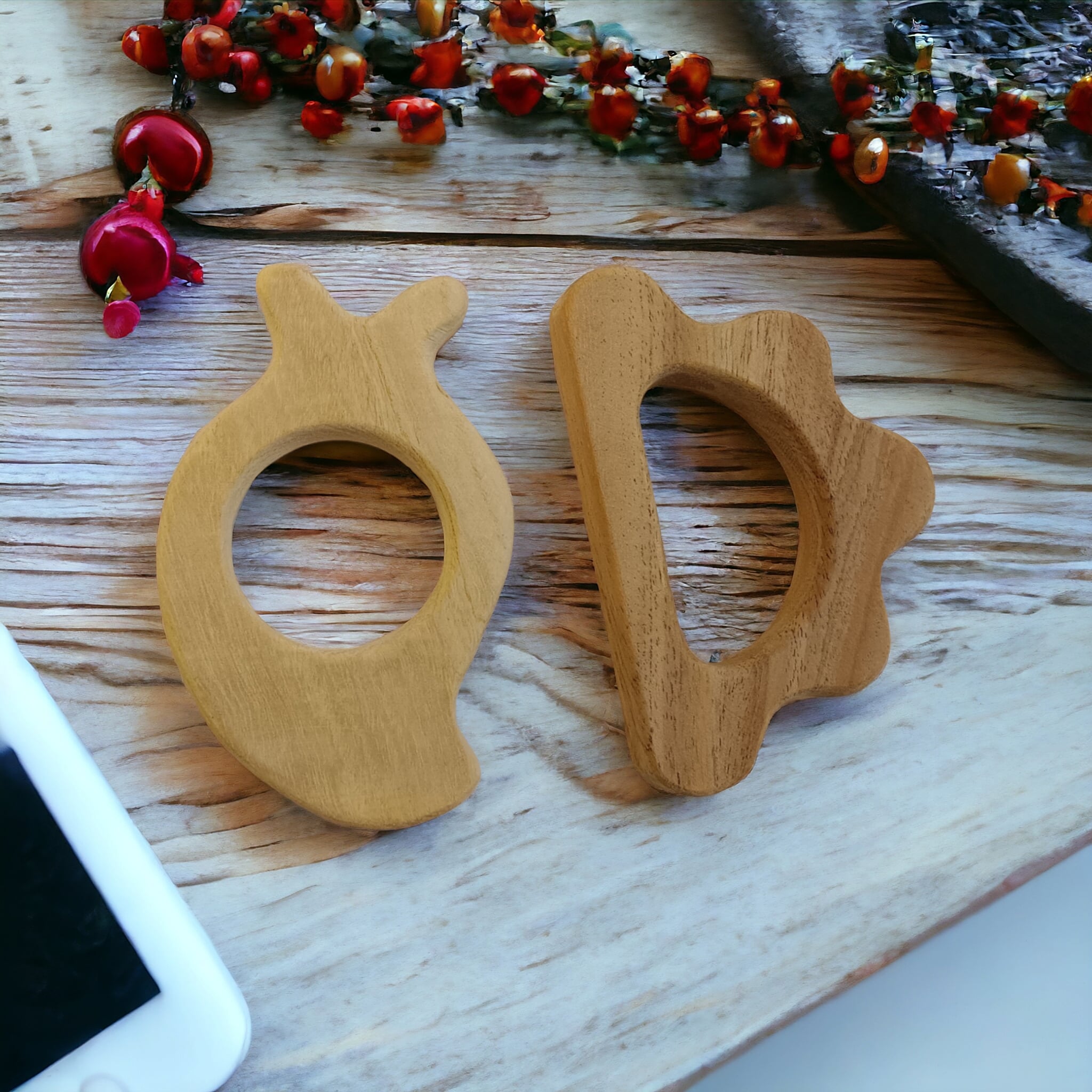
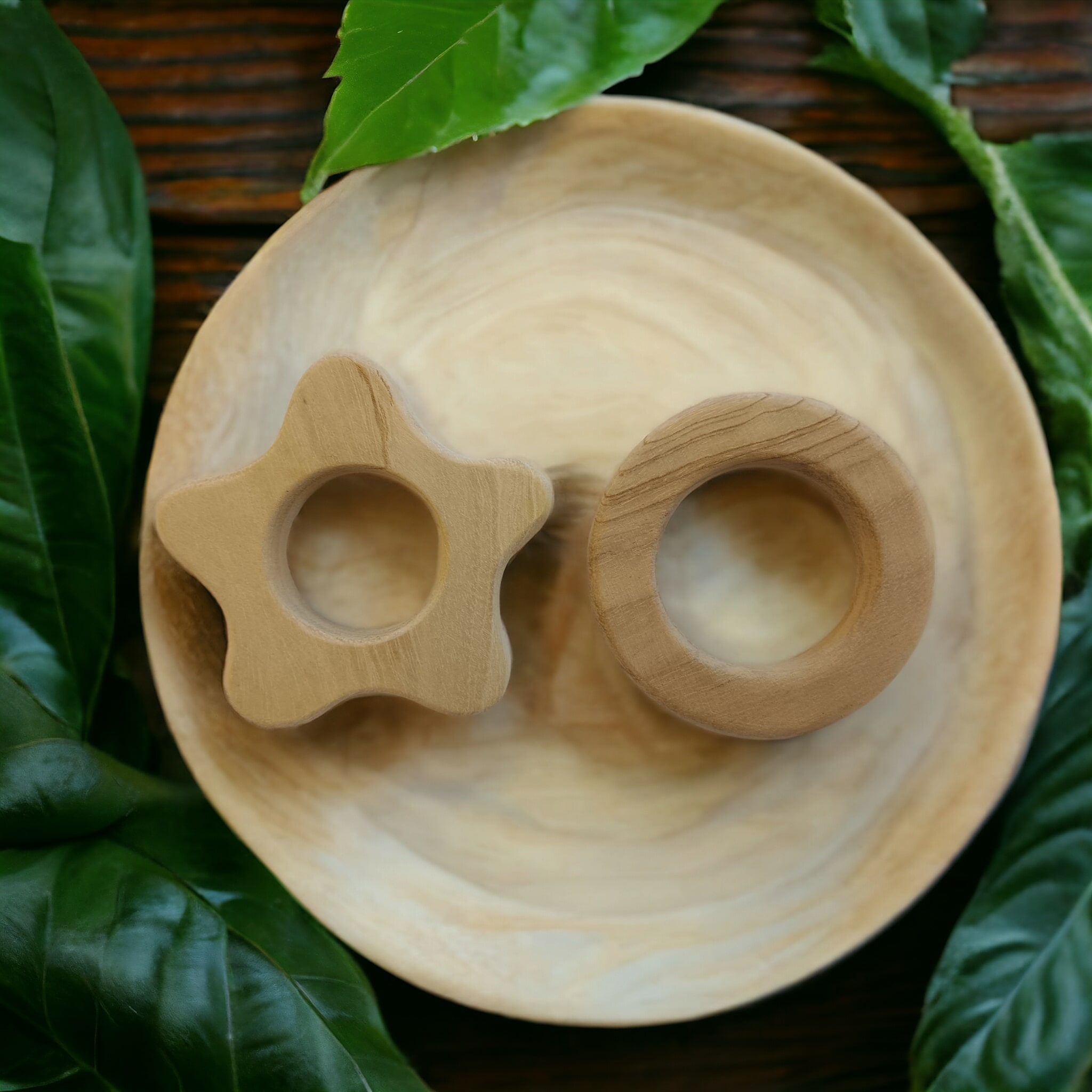
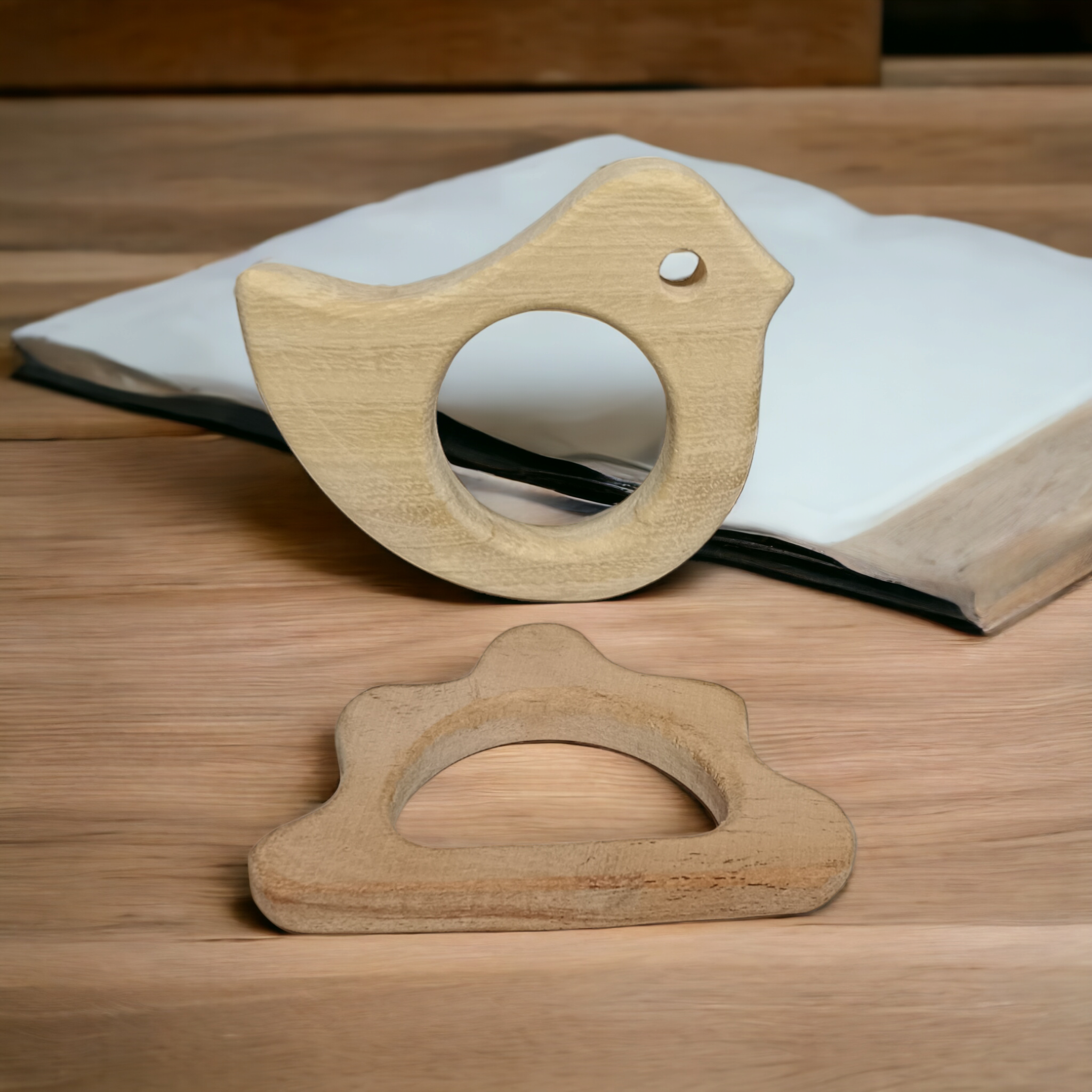
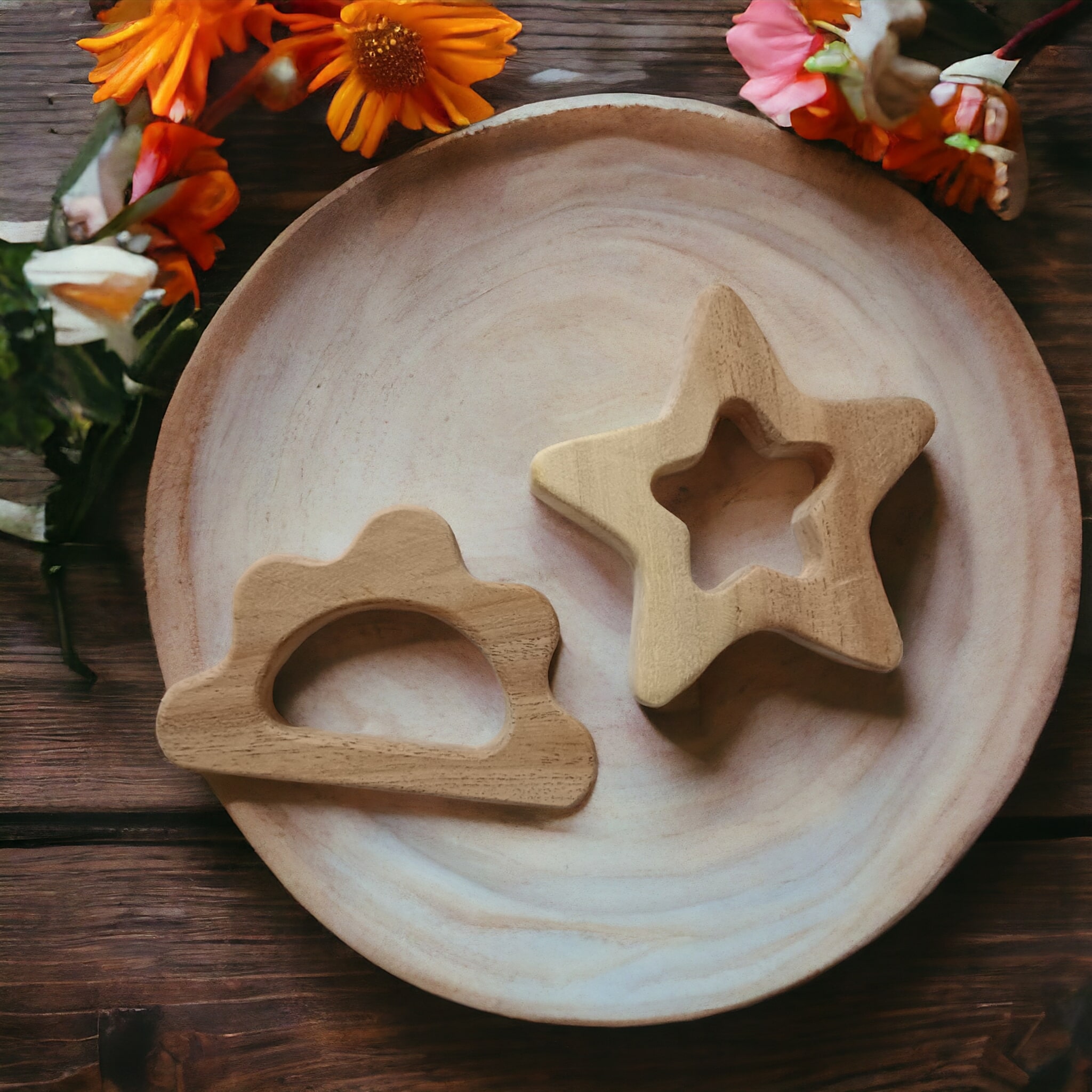
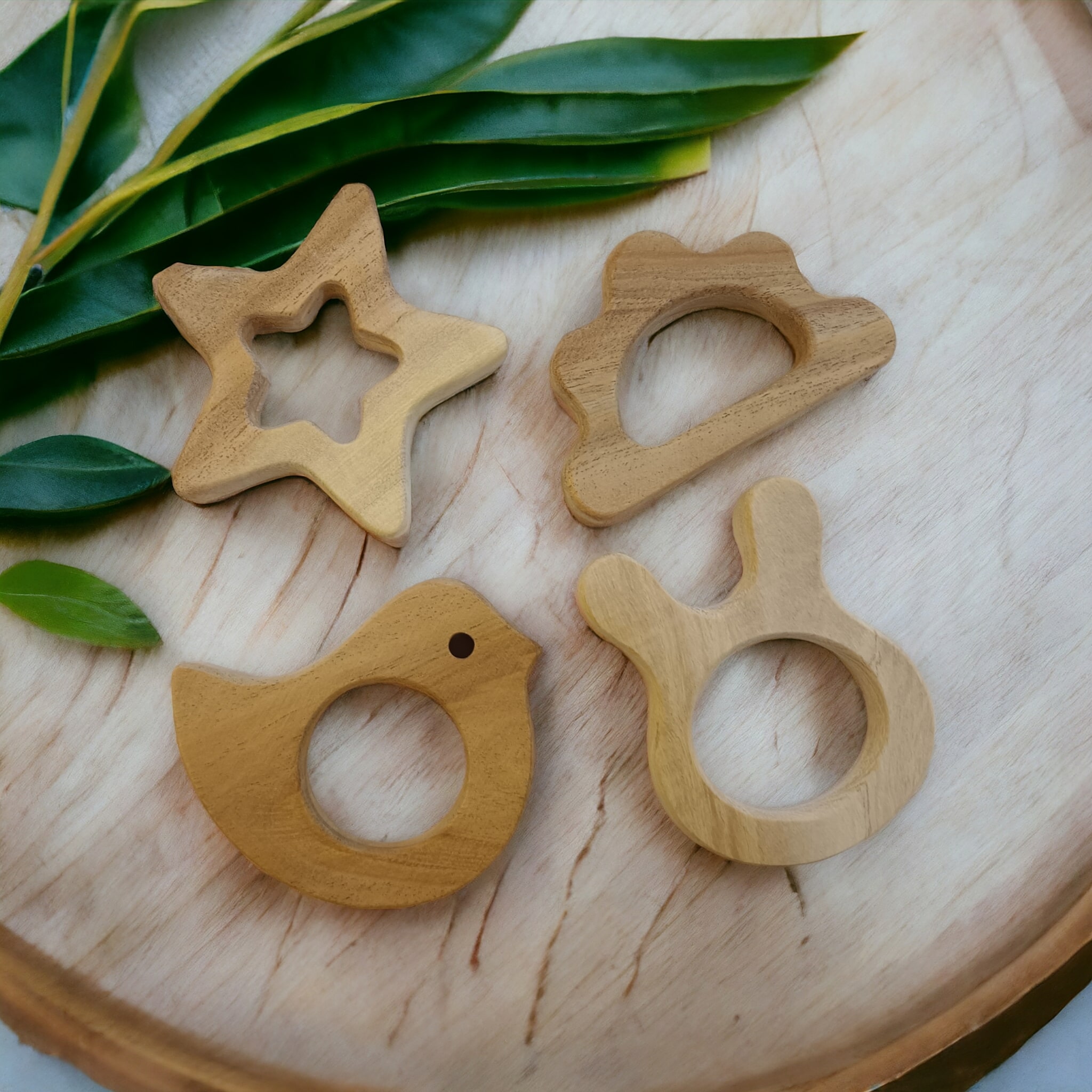
A natural baby teether may appeal to families who prefer the look and feel of wood. When comparing a neem wood teether or handmade wooden teether, ask the seller to identify the wood, any surface treatment, the intended age range, and the care method. Request clear photographs and product-specific safety information before choosing.
The same approach applies to an organic baby teether. Ask what “organic” refers to: the wood source, a textile component, or another part. If certification is advertised, request the certifying body and the scope of the claim rather than assuming it covers the entire toy.
For a crochet wooden teether ring, make the construction part of your comparison. Ask how the crochet is attached, whether any component is removable, and which inspection instructions apply. Handmade crochet can be part of the design you love, but the complete item still needs appropriate safety information.
Eco-friendliness deserves a clear explanation too. Ask about sourcing, packaging, expected care, and disposal instead of treating “natural” as a complete environmental claim. This lets you choose organic baby teethers for reasons you understand, without trading safety checks for an appealing label.
Choose natural materials with documented details, not assumptions.
Nibbler, feeder, and pacifier-style designs
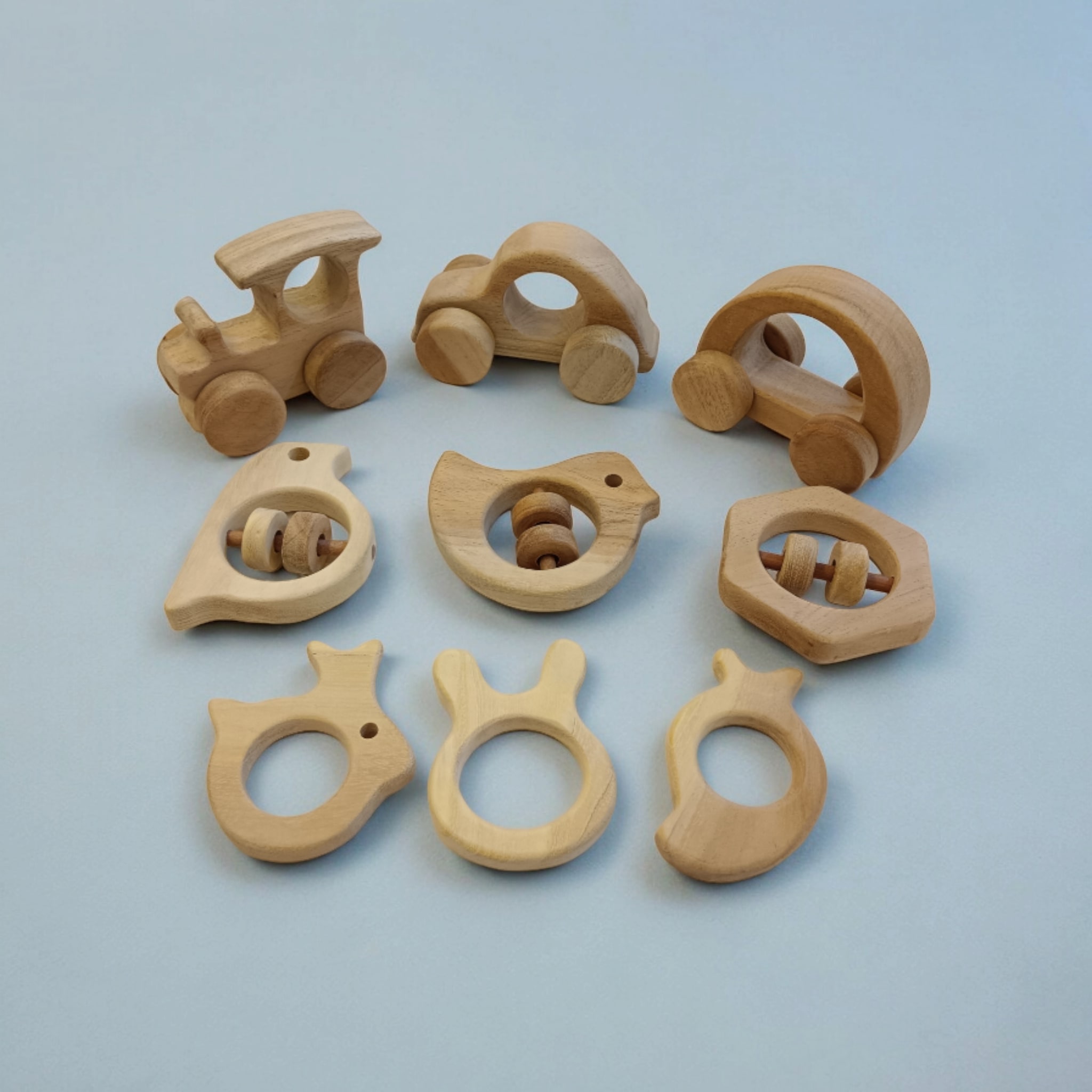
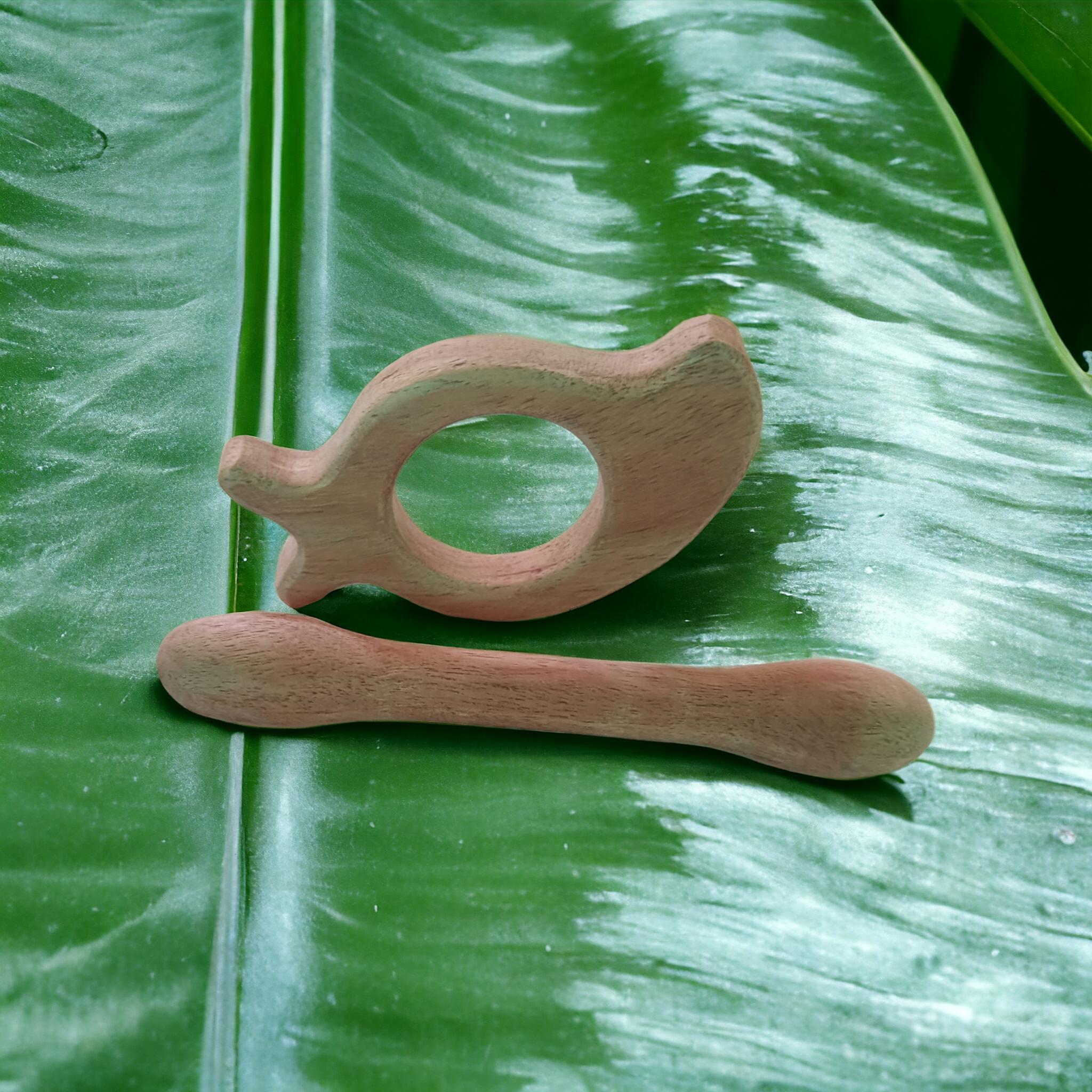
A baby nibbler teether, fruit feeder teether, and teether pacifier may appear together in search results, but compare their stated purposes separately. Before buying, establish whether the item is a chewing toy, a food feeder, a pacifier, or a product expressly designed for more than one function. Ask for the instructions covering each permitted use.
A feeder is not a reason to introduce fruit early. Complementary foods are generally introduced around 6 months, alongside developmental readiness; a baby’s interest in chewing does not by itself establish readiness for food. Follow your paediatrician’s advice if you are unsure about your baby’s stage.
For any dual-purpose design, compare:
- Permitted functions: Confirm whether feeding, chewing, or sucking is actually intended.
- Assembly instructions: Understand how parts fit together and how to check them.
- Cleaning access: Read the steps for every component, including any food-contact area.
- Replacement guidance: Ask which signs mean the product or a part should be discarded.
Choose the function your family needs now. You do not need a more complicated product simply because it offers more possibilities.
Care and confidence before first use
Keep care guidance with the product rather than relying on a general cleaning tip. Different designs may have different instructions, especially when wood, crochet, silicone, and removable parts are combined. If essential instructions are missing, ask the seller before using the item.
Age checks for babies aged 3 to 6 months
Confirm that the exact product is intended for your baby’s age. Do not extend an older baby’s age label to a younger sibling, and do not assume a compact size means early suitability. Request the manufacturer’s guidance where the listing and packaging differ; teether-specific safety requirements make accurate age information important.
Neem wood and handmade crochet care
Request written cleaning and drying instructions for the complete item. Do not assume that boiling, soaking, steam sterilising, machine washing, or adding oil is permitted. Ask how to inspect the wood and crochet, what changes require replacement, and how the product should be stored between uses. Choose another option if the seller cannot explain its care.
Silicone safety documentation
Ask which standards the finished toy has been assessed against and request relevant documentation. BIS identifies IS 9873 as the primary standards framework for non-electric toys, with other applicable requirements considered through certification. A food-grade or BPA-free statement should not be presented as though it alone answers every toy-safety question.
This information is useful for grandparents and other caregivers too. Save the instructions somewhere accessible, and explain any product-specific restrictions when handing over the teether.
A simple routine for supervised comfort
Picture an afternoon at home: your baby seems keen to chew, and you want an uncomplicated comfort option. Rather than reaching for whichever toy is closest, use the teether selected for their age and follow its instructions. Stay with your baby throughout use, and stop if the product appears damaged or something does not seem right.
For baby teething relief, avoid liquid-filled teething rings and do not offer a teether frozen solid. Paediatric guidance warns that damaged liquid-filled products and excessively hard frozen objects can cause harm. Teething necklaces also pose choking and strangulation risks and are not a substitute for a supervised handheld toy.
Keep expectations gentle. A teether is a comfort aid, not a treatment for illness or a promise of uninterrupted sleep. Fever, diarrhoea, or excessive crying should not simply be attributed to teething; contact your child’s doctor about concerning symptoms. The most useful routine is one your family can repeat calmly: check the instructions, supervise use, and follow the care guidance afterwards.
Thoughtful gifts for growing families
For grandparents, friends, and relatives, baby teething accessories can be a practical gift when the choice starts with the family’s needs. Ask the parents about the baby’s age, preferred materials, and existing care routine. A smaller, well-considered purchase is more thoughtful than a large set with unclear suitability.
Before selecting a gift, confirm:
- The baby’s current stage: Choose for the stated age range, not an upcoming milestone alone.
- The parents’ preference: Check whether they want silicone, wood, or another documented option.
- The care commitment: Make sure the instructions suit the household’s routine.
- The information included: Keep original packaging and safety guidance with the gift.
- The purpose of extras: Add accessories only when their intended use is clear.
If you are considering organic baby teethers, explain which documented feature influenced your choice. That is more helpful to the parents than passing on an unsupported “100% safe” promise.
Choose with confidence, one clear detail at a time
The best baby teethers for your shortlist are the ones you can assess clearly. Start with age suitability, understand the material and construction, and check that care will fit your day. Let colour, shape, and gifting style come after those essentials.
Before adding a baby teething ring to your basket, make sure you have answers to these final checks:
- The product is labelled for your baby’s age.
- The manufacturer and product are identifiable.
- Safety claims have relevant supporting information.
- Every intended function is explained.
- Cleaning, inspection, and replacement instructions are available.
You do not need to decide between “natural” and “modern” on labels alone. Compare a wooden option, a silicone design, or another suitable teether by the same practical standard: clear information about the product you are actually buying.
Explore baby teethers, check the details, and choose a well-documented option for your little one.
Frequently Asked Questions
- Q: Which is the best teether for a 3 to 6 months old baby?
A: Lightweight, soft silicone teethers and ergonomic crochet wooden teether ring designs are ideal for 3 to 6-month-old babies. They are easy to hold and gentle on early, sensitive gums. - Q: How do I clean and sanitize wooden and neem wood baby teethers?
A: Wipe a neem wood teether or handmade wooden teether with a soft cloth dipped in warm water and mild liquid baby soap. Do not soak wooden teethers in water or sterilize them in a microwave; allow them to air-dry completely. - Q: Are Thotfy's silicone teethers 100% BPA-free and food-grade safe?
A: Yes, all our silicone products—including teether pacifiers and fruit feeder teether options—are made from 100% food-grade silicone that is completely free of BPA, phthalates, and PVC.
Explore Top Baby Teething & Toy Collections
- Antibacterial Neem Wood & Crochet Rings for Natural, Eco-Friendly Teething Relief
- Soft Food-Grade Silicone & Textured Teether Pacifiers for Sore Gums & Molar Relief
- Fruit Nibbler & Feeder Teethers for Introducing Fresh Fruits & Cold Treats Safely
- Affordable Non-Toxic Baby Teethers & Gift Sets Curated for Newborns Under ₹999
Looking for Customized Baby Shower Hampers or Bulk Gifting?
Need curated newborn welcome kits, custom color themes for baby showers, or volume discounts for maternity and daycare gifting? Enjoy express delivery across India and safe baby-first curation.
[ Request Baby Shower & Bulk Gifting Quote ]
More Handcrafted Collections
(Looking for More Handcrafted & Seasonal Ideas? Explore Our Top Collections Below)
- Decor & Home Accent Collections:Home Decor | Winter Home Decor | New Year Party Decor & Lighting | Home Decor Lights | Handcrafted Wall Art | Living Room Showpieces | Decorative Mirrors | Art and Collectibles
- Festive & Seasonal Gift Collections:Diwali Gifts | Housewarming Gifts | Winter Housewarming Gifts | Wedding Return Gifts | Birthday Return Gifts
- Corporate & Office Gifting Collections:Corporate Gifts | Corporate New Year Gifts & Hampers
- Personal & Budget Gifting Collections:Handmade Gifts | Anniversary Gifts for Couple | Ceramic Coffee Mugs | Gifts Under 300 | Gifts for Women | Gift For Every Mom
- Jewellery & Fashion Accessories:Festive Jewellery | Oxidized & Silver-Plated Ethnic Jewellery | Handmade Tote Bags | Festive Keychains & Accessories
- Kids & Play Collections:Kids Toys | Handcrafted Wooden Toys